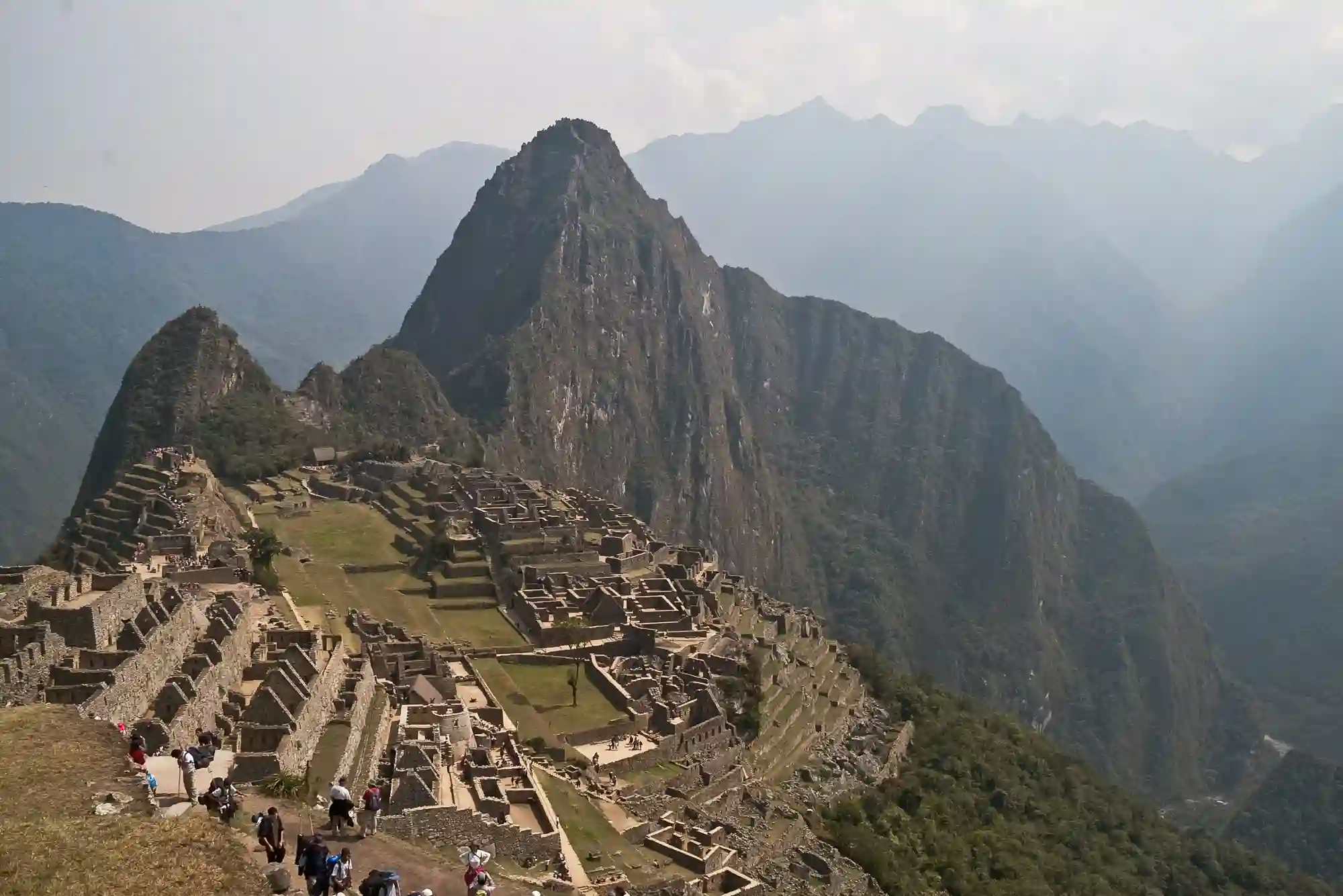
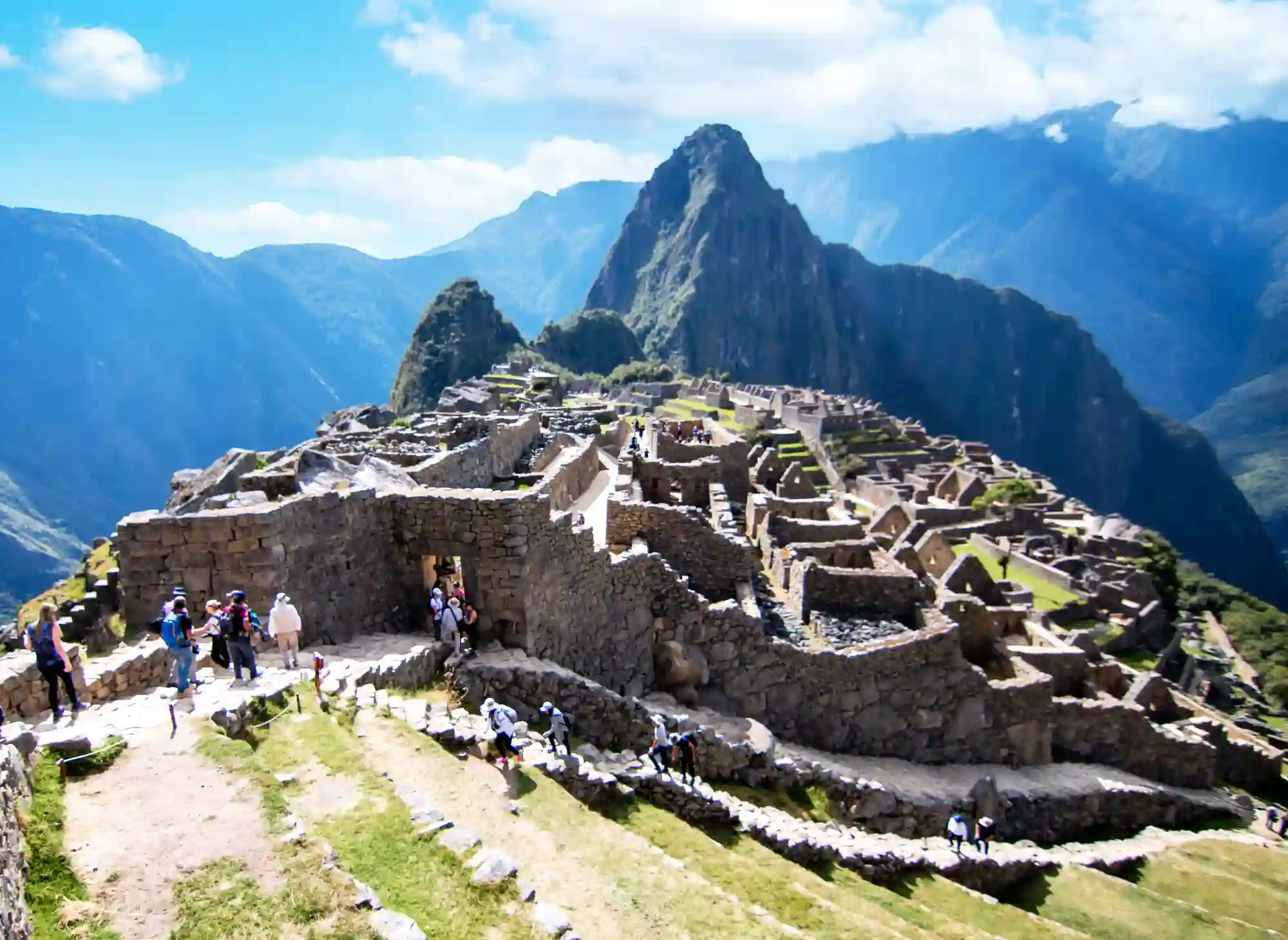
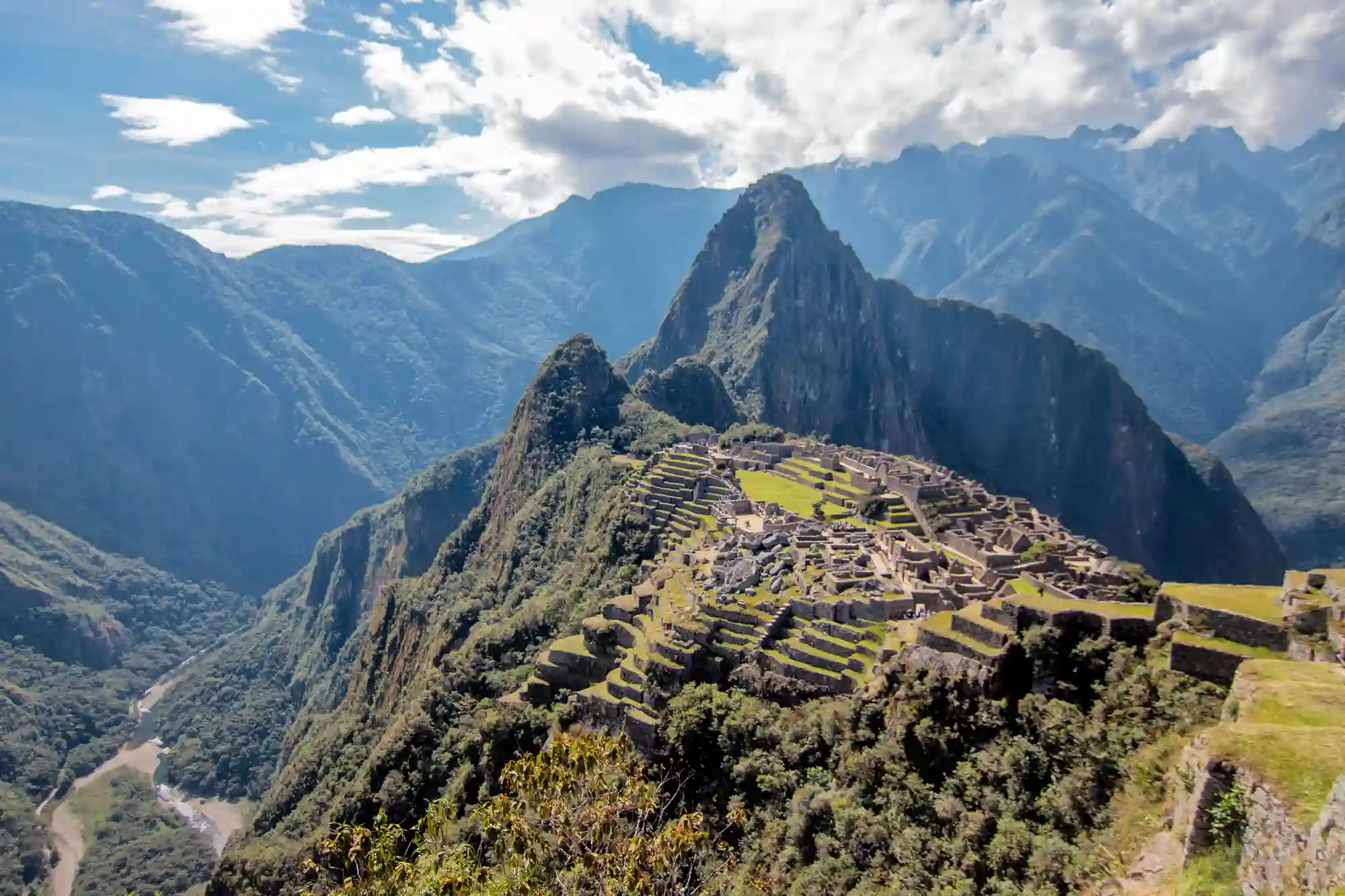
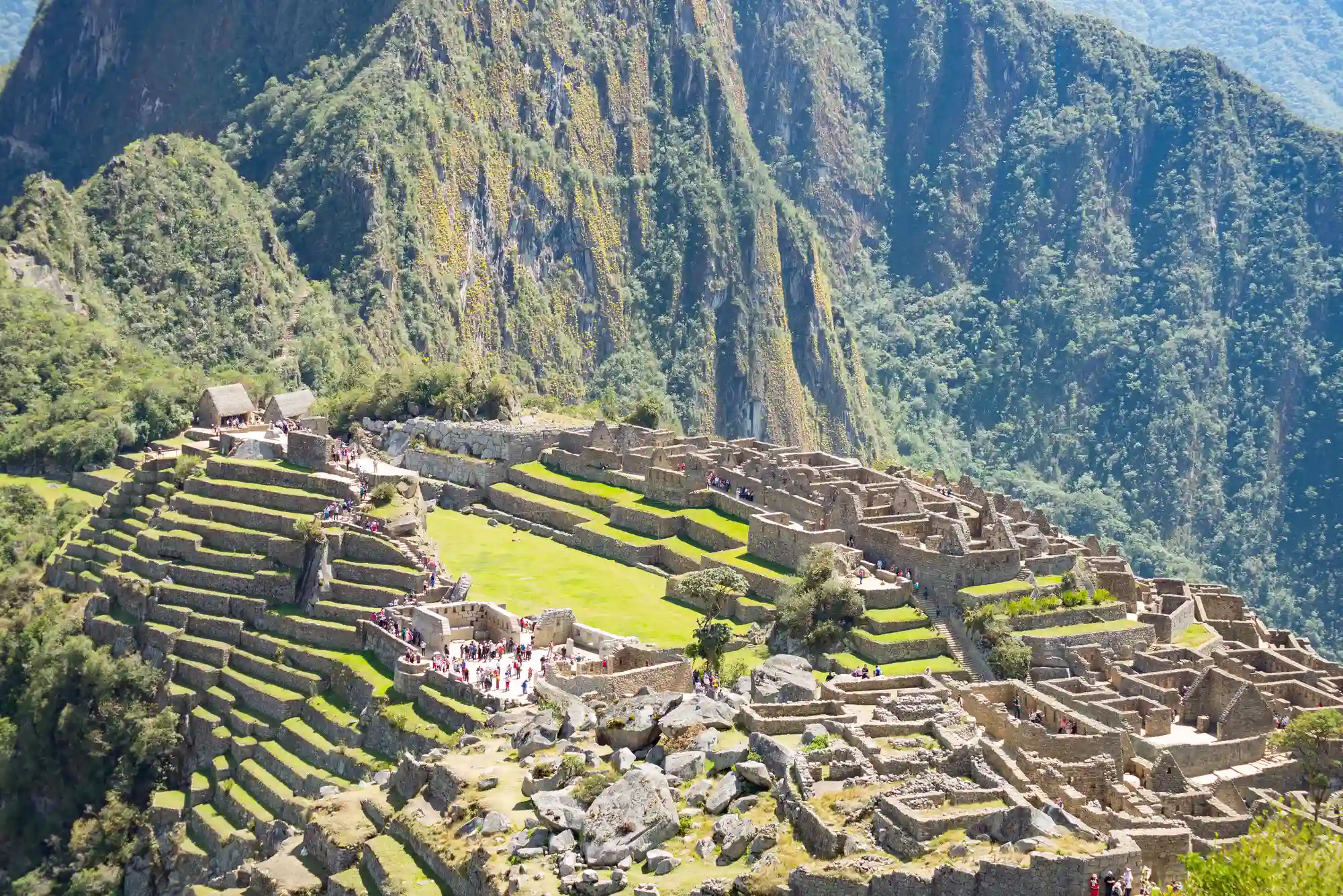
The Inca Trail to Machu Picchu is one of the most famous treks in the world. Proper preparation will help you enjoy a safer, more comfortable, and unforgettable experience.
Plan and Book in Advance
The Inca Trail has limited availability, with only 500 permits issued per day (including guides and porters).
Booking window: Reserve your spot 3 to 6 months in advance, especially during the high season (April to October).
Permits are non-refundable and non-transferable, so confirm your travel dates before booking.
Physical Preparation
The Inca Trail is a moderate to challenging trek with steep ascents, descents, and high altitude.
Training recommendations:
- Cardio exercises such as running, cycling, or swimming to build endurance
- Strength training for legs, core, and back
- Practice hiking with a backpack to simulate real conditions
Acclimatize to the Altitude
The trail reaches over 4,200 m (13,780 ft) at Warmiwañusca.
To reduce the risk of altitude sickness:
- Spend at least **2 to 3 days in Cusco or nearby areas before the trek
- Stay well hydrated
- Avoid alcohol and heavy meals
- Try coca tea, a traditional Andean remedy
Packing Essentials
Clothing:
- Comfortable hiking boots (already broken in)
- Quick-drying shirts and pants
- Warm layers for cold nights
- Waterproof jacket or poncho
- Hat, gloves, and thermal socks
Other essentials:
- Sunscreen, sunglasses, and sun hat
- Insect repellent
- Reusable water bottle or hydration system (minimum 2 liters)
- Lightweight daypack (20–30 liters)
- Personal toiletries and a small first-aid kit
Important documents:
- Passport (required for entry and permits)
- Student ID if applying for a discount
Pack only what is necessary to keep your backpack light and manageable.
Respect the Trail and Local Communities
The Inca Trail passes through protected areas of the Sacred Valley, part of a UNESCO World Heritage Site.
Environmental responsibility:
- Carry all your waste until it can be disposed of properly
- Stay on designated trails to protect the ecosystem
Cultural respect:
- Ask permission before taking photos of local people
- Support local communities by purchasing handmade products from authorized vendors
Best Time to Trek the Inca Trail
Ideal season: April to October offers dry weather, clear skies, and the best trekking conditions
Rainy season: November to March brings more rain and slippery trails
February: The Inca Trail is closed for maintenance, although Machu Picchu remains open
Enjoy the Experience
The Inca Trail is not just a hike, it is a journey through history, culture, and nature.
Take your time to enjoy the landscapes, explore archaeological sites, and connect with fellow travelers. The experience is about more than reaching Machu Picchu—it’s about creating memories that last a lifetime.
Planning your Inca Trail 4 Days to Machu Picchu requires advance preparation, as access to this iconic route is strictly limited.
Book Well in Advance
During the peak season (May to October), permits can sell out very quickly. It is highly recommended to book 6 to 8 months in advance, or even earlier for popular dates.
For the shoulder and rainy season (April, November, December, January, March), booking 2 to 4 months in advance is usually sufficient.
Permit Release
Inca Trail permits are typically released once per year, usually in early October for the following year. Availability is limited and demand is high, so early booking is essential.
Licensed Tour Operators Only
Permits for the Inca Trail cannot be purchased individually. You must book through a licensed and authorized tour operator, who will secure your permit using your personal details.
Passport Information
All booking information must match your passport exactly, including:
- Full name
- Passport number
- Date of birth
- Nationality
Permits are non-transferable and non-changeable, so accuracy is essential. Your passport must also be valid for at least 6 months beyond your travel date.
Real-Time Availability
While some websites display availability, the most reliable way to confirm your dates is by contacting a licensed operator directly. They have access to the official government system and can verify availability in real time.
Booking early and providing accurate information ensures you secure your spot on one of the most sought-after treks in the world.
Prepare Physically
The Inca Trail is a physically demanding trek, involving hiking at high altitudes, so it is essential to be well-prepared. Engage in regular exercise, focusing on cardio and endurance training, to build your stamina. This will help your body acclimate to the higher elevations, making the trek more enjoyable and less strenuous.
Stay Hydrated
Hydration is critical during the hike, especially at higher altitudes where the risk of dehydration increases. Be sure to carry a refillable water bottle and drink plenty of fluids throughout the journey. It’s also advisable to bring water purification tablets or a filtered water bottle to ensure you have access to clean drinking water during the trek.
Dress Appropriately
The weather in the Andes can change quickly, so it’s essential to dress in layers. Opt for comfortable, moisture-wicking clothing that can be easily added or removed as temperatures fluctuate. A waterproof jacket or poncho is essential to protect yourself from rain and wind.
Protect Yourself from the Sun
At high altitudes, the sun’s rays can be much stronger. Apply sunscreen with a high SPF to protect your skin, and don’t forget to wear a wide-brimmed hat and sunglasses to shield your eyes from harmful UV rays.
Pack Snacks and Energy Boosters
To maintain energy levels during the trek, bring lightweight, high-energy snacks, such as nuts, granola bars, and dried fruit. These snacks will provide the necessary fuel to keep you going throughout the day.
Take Your Time
The Inca Trail involves challenging terrain, including steep climbs, so it’s crucial to pace yourself. Take breaks when needed and listen to your body. Give yourself time to acclimate to the altitude and enjoy the stunning views along the way. The journey is just as important as the destination.
Engage with a Knowledgeable Guide
To enhance your experience and ensure your safety, it is highly recommended to hike the Inca Trail with an experienced guide. A knowledgeable guide will provide valuable insights about the history, culture, and landscapes you encounter along the trail, enriching your journey and ensuring a safe and well-guided trek.
Respect the Environment
The Inca Trail is a pristine natural area, and it’s important to practice responsible tourism. Stick to the designated trails, properly dispose of waste, and avoid leaving any trace of your visit. Let’s preserve this incredible ecosystem for future generations.
Capture the Moment
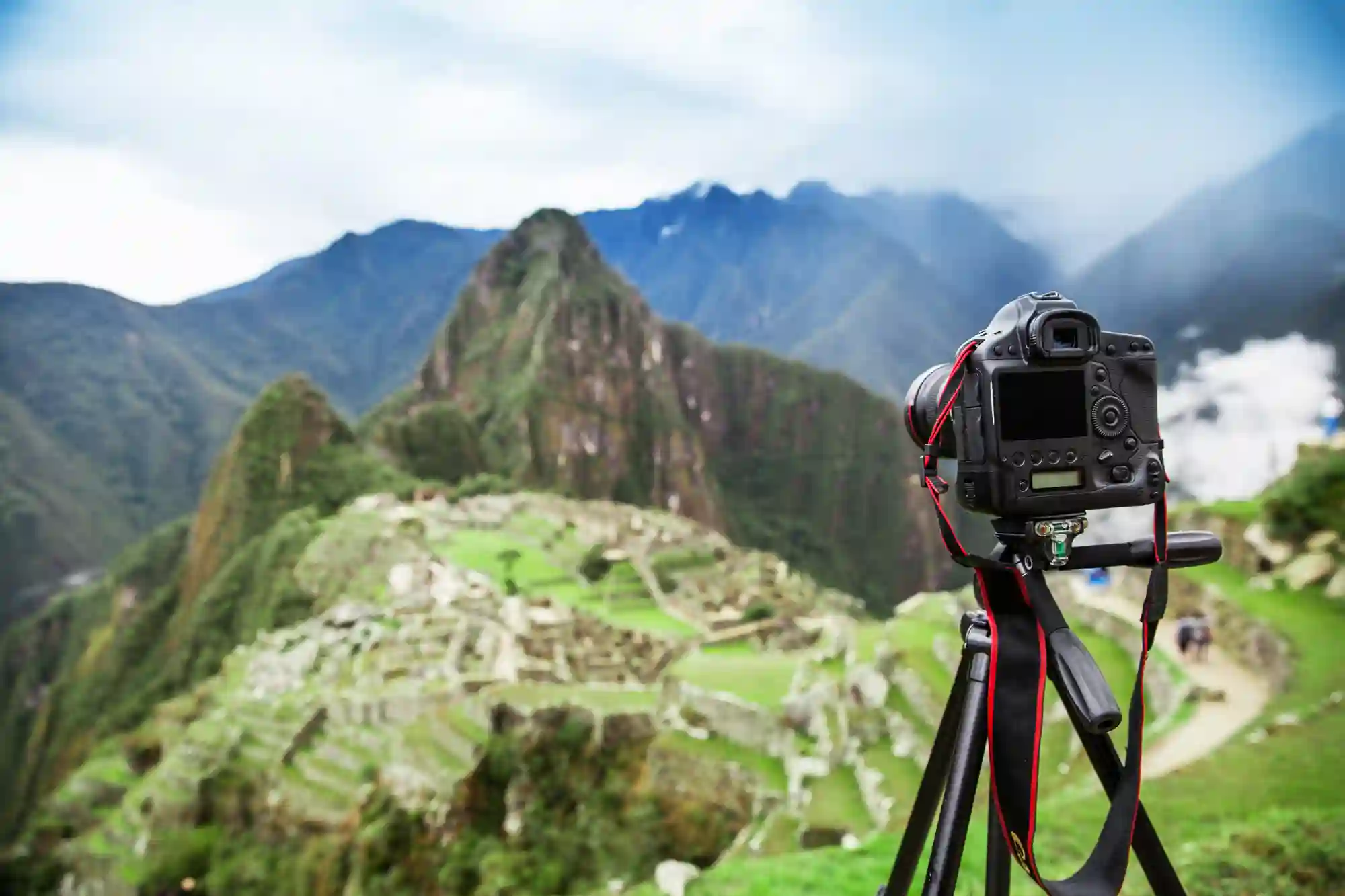
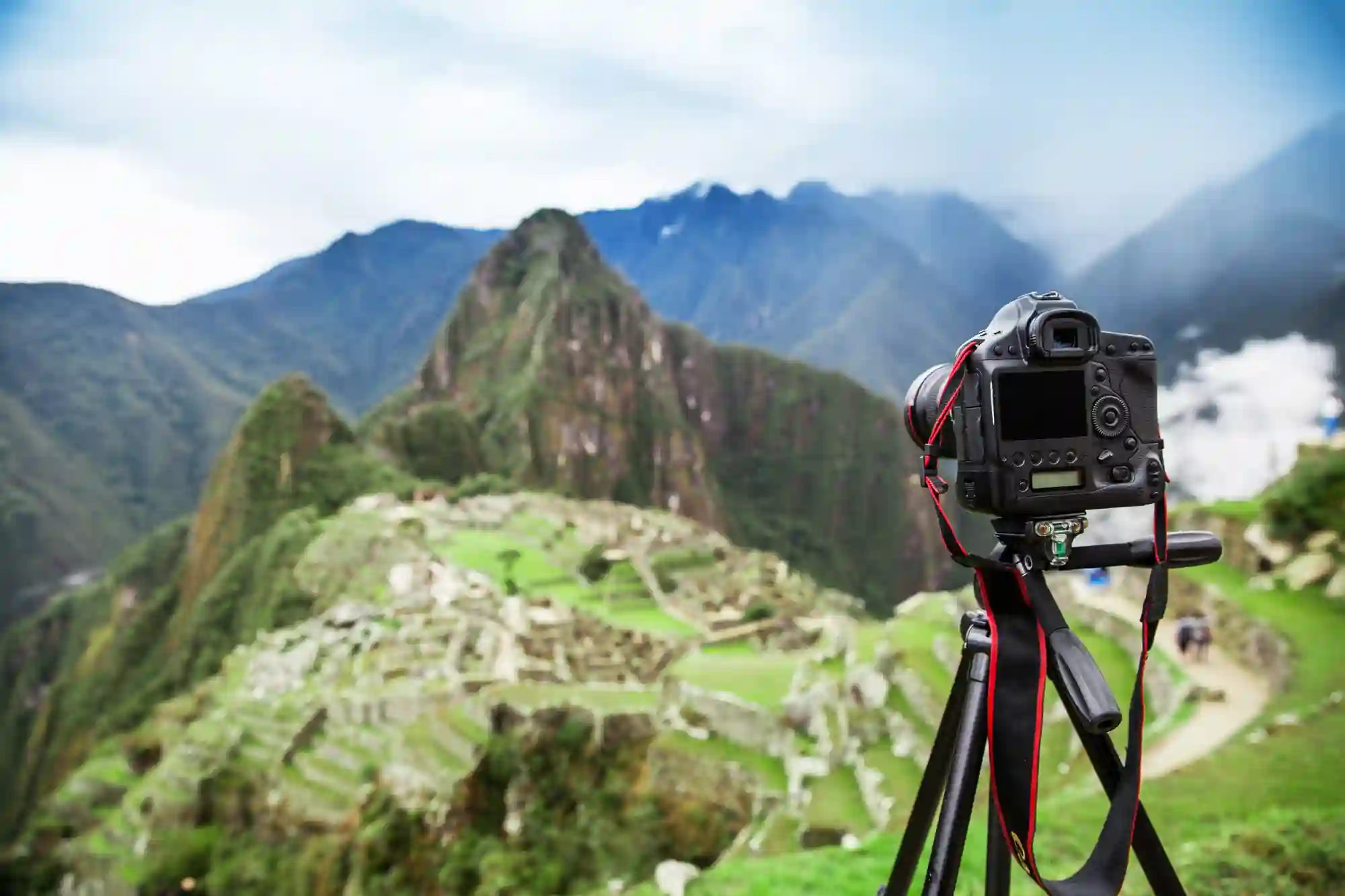
Be sure to bring your camera or smartphone to capture the unforgettable beauty of the Inca Trail. Take photos of the awe-inspiring mountain landscapes, ancient ruins, and the wildlife you encounter along the way. These images will serve as lasting memories of your incredible adventure.
Embrace the Magic
Above all, take the time to fully immerse yourself in the magic of the Inca Trail. Appreciate the serenity, the stunning scenery, and the ancient energy of this sacred path. Allow yourself to be fully present in the moment and create memories that will last a lifetime.
To provide the most accurate and current information for the Inca Trail, I need to perform a quick search to ensure I have the latest details regarding permit availability and any recent changes to regulations. The current date is June 21, 2025, so I need to check for current 2025 and 2026 permit information.
I’ve gathered the necessary information. Here’s a concise travel guide for the 4-day Inca Trail to Machu Picchu:
Inca Trail 4 Days Planning
- Permits: Strictly limited (500 per day, including staff). Book 6-8 months in advance for peak season (May-October); 2-4 months for other times.
- Permit Release: Typically released in October for the following year’s dates.
- Booking: Must book through a licensed tour operator. Independent trekking is prohibited.
- Passport: Provide exact details from your original passport for permit issuance. Passport must be valid for at least 6 months beyond your travel date. Permits are non-transferable and non-refundable.
When to Visit 4-Day Inca Trail
- Best Time: Dry season (May to October) offers clearer skies.
- Availability:
- 2025: Permits for May-September are sold out. Limited availability for October, November, December.
- 2026: Permits are generally available from March onwards.
- Closed Month: The Inca Trail is closed every February for maintenance.
Before the Inca trail 4 days
- Acclimatization: Spend 1-2 days in Cusco (or Sacred Valley) before trekking to adjust to high altitude (Cusco: ~3,400m / 11,150ft).
- Physical Fitness: Essential. Regular cardio and hiking training recommended.
- Altitude: Highest point is Warmiwañusca (Dead Woman’s Pass) at 4,215m (13,780 ft).
- Machu Picchu Circuit (2025/2026 Regulation): Inca Trail trekkers will generally enter Machu Picchu via Circuit 1, which provides panoramic views from the upper section but may not include full access to the main archaeological complex (lower part). Discuss circuit details with your operator.
Inca Trail 4 days packing List
- Essentials: Original passport (mandatory), valid student ID (if discounted), broken-in trekking boots, day pack (25-35L; max 20L for Machu Picchu entry), 2L water bottle/hydration bladder, trekking poles (with rubber tips), sleeping bag (-10°C / 14°F rating).
- Clothing: Layers are key (thermal base, fleece/mid-layer, waterproof outer shell), warm hat, gloves, quick-dry trekking pants, quick-dry shirts, underwear, wool/synthetic socks.
- Sun Protection: Sunscreen (high SPF), lip balm (SPF), hat, sunglasses.
- Hygiene: Hand sanitizer, toilet paper, basic first-aid kit (incl. blister treatment), wet wipes, biodegradable soap, small toiletries.
- Electronics: Headlamp (with spare batteries), camera, power bank (20,000 mAh recommended).
- Food: Personal snacks (energy bars, dried fruit).
- Money: Small Peruvian Soles in cash for tips, snacks, extra bathroom stops.
What’s Included
- Professional guides (English/Spanish).
- Porters (carry camping gear, food).
- Cooks & all meals during trek (B, L, D, snacks).
- Camping equipment (tents, sleeping mats).
- Bus ticket: Machu Picchu to Aguas Calientes.
- Train ticket: Aguas Calientes to Ollantaytambo/Cusco.
- Private transfer: Ollantaytambo train station to Cusco hotel.
- Machu Picchu entrance fee.
What’s Not Included
- Sleeping bag rental (approx. $25-$35 USD).
- Trekking pole rental (approx. $20 USD/pair).
- Tips for guides, porters, cooks.
- Huayna Picchu or Machu Picchu Mountain permits (optional hikes, extra cost, separate booking needed).
- Personal trekking gear (e.g., proper boots, rain gear).
- Travel insurance.
Regulations to Visit the Inca Trail 4 Days
- Stay on designated trails.
- No littering (Leave No Trace principles).
- Do not touch/climb archaeological structures.
- No smoking or open fires.
- Use designated toilet facilities.
- Respect other hikers and local communities.