S

We were a group of four girls, all 24 years old! It was an incredible experience! Genrri was an excellent guide, and our chef, Ricardo, was fantastic; he prepared vegetarian lunch and dinner for us every day. I highly recommend it!
 4.8/5
342 reviews
4.8/5
342 reviewsThe legendary permitted trek to Machu Picchu through original Inca paths, cloud forest and archaeological sites.
The Inca Trail is the most iconic trek in Peru because the journey itself is part of the archaeological experience. Travelers do not simply arrive at Machu Picchu; they walk through the protected Inca road network, pass ruins that most visitors never see, and approach the citadel through Intipunku, the Sun Gate.
Inca Trail tours are for travelers who want history, exclusivity and a powerful arrival at Machu Picchu. The classic 4-day route follows original Inca paving, climbs high Andean passes, moves through cloud forest and connects archaeological sites that reveal how the Inca road system worked across mountains.
Because access is limited and regulated, planning matters. Permits are personal, date-specific and must be handled through an authorized operator. That scarcity is part of the value: the Inca Trail feels special because it protects both the route and the visitor experience.
View our Tripadvisor page
Read recent experiences from travelers who booked with our local team and shared how the service, organization, and on-trip support felt in real situations. These reviews help future passengers understand what to expect before choosing their tour.
We were a group of four girls, all 24 years old! It was an incredible experience! Genrri was an excellent guide, and our chef, Ricardo, was fantastic; he prepared vegetarian lunch and dinner for us every day. I highly recommend it!
We did the 4 day and 3 night Salkantay Trek on the 27th of July, and it was honestly one of the highlights of our trip. I couldn't recommend it enough, especially with Machu Picchu Teams.Everything exceeded our expectations from the accommodation and food to the organisation and most importantly, the amazing staff. Our guide Max made the experience so special. He taught us so much about the Quechua way of life and Inca traditions at every stop along the trek, which gave us such a good appreciation for the places we were visiting. He was also so much fun to be around, always making us laugh and keeping everyone's spirits high, even during the toughest parts of the hike. His positivity, encouragement and knowledge really made the experience unforgettable.A huge thank you as well to our chefs, especially Braulio, the head chef. We genuinely couldn't believe the quality of the food considering where we were. Every meal was so fresh and delicious and they had lots of vegetarian options too. We were given three generous meals a day which also included starters at lunch and dinner, plus snacks along the way. It was far beyond anything we expected on a trek.What really sets this company apart is the people. Max wasn't just a guide he genuinely cared about everyone in the group and always made sure we were doing okay. He knew exactly when to encourage us on the harder climbs, when to make us laugh, and when to stop to tell us another story about the history and culture of the area. He gave us a group name and gathered us every morning to do a chant together to get us ready for the day. You can tell he loves what he does and his passion made the whole trek so much more meaningful.The entire team was so kind and welcoming, and they made us feel looked after from start to finish. If you're thinking of doing the Salkantay Trek, I couldn't recommend Machu Picchu Teams more. It was an unforgettable experience, and we're so grateful to everyone who made it so special.
This tour is full of adventures and blessings. The exciting bicycle descent from the Andes took us through changing landscapes to the tropical rainforest. The hike through the jungle, led by an expert guide, allowed us to learn about the local flora and fauna. The RAFTING and ZIPLINING activities added excitement to the trip and were perfectly organized. The natural hot springs were an ideal place to relax after days full of activities. The visit to Machu Picchu was the highlight, with its impressive architecture and view. I highly recommend this tour to anyone looking for a combination of adventure, nature, and culture.
Had an amazing time, super well organized, nice people, and Nacho, the guide is amazing (and very funny) !!!❤️
I had an amazing time doing the Salkantay trek with Machu pichu teams! Especially Nacho who was an incredible guide for our group, always making sure we were all having a good time, having fun and looking after us from the start to the end. Big thanks to the whole team :)
The Inca Trail is about matching your time and permit availability. Some travelers want the full 4-day classic route; others choose a short Inca Trail version to experience the final archaeological approach without committing to a multi-day camp itinerary.
The Classic Inca Trail has limited daily access and must be reserved early, especially in dry season.
Permit Required – Date Specific
Choose 4 days for the complete route, 2 days for a shorter version, or 1 day for a compact taste of the trail.
1 Day – 2 Days – 4 Days
The route is rich in ruins, terraces, stone paths and ceremonial spaces that give context before Machu Picchu.
Wiñay Wayna – Intipunku – Inca Roads
Expect stone steps, high passes, long descents and camping logistics on the classic route.
Moderate – Challenging
Ideal for travelers who want the most historic arrival to Machu Picchu and are ready to plan ahead.
History Lovers – Hikers – First-Time Peru
Dry season gives the best trail conditions, while February closure/maintenance rules must be considered.
May – September – Advance Booking
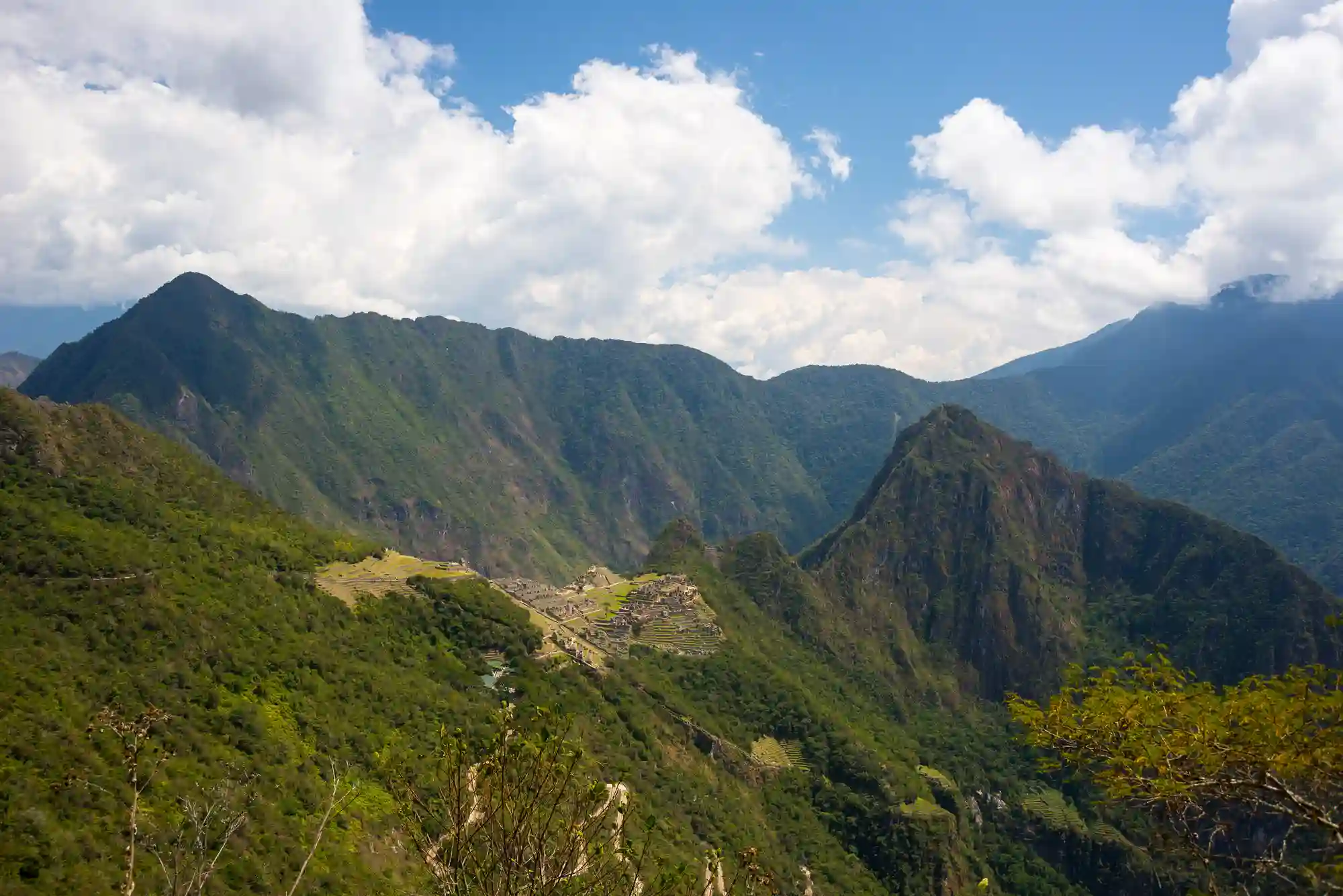
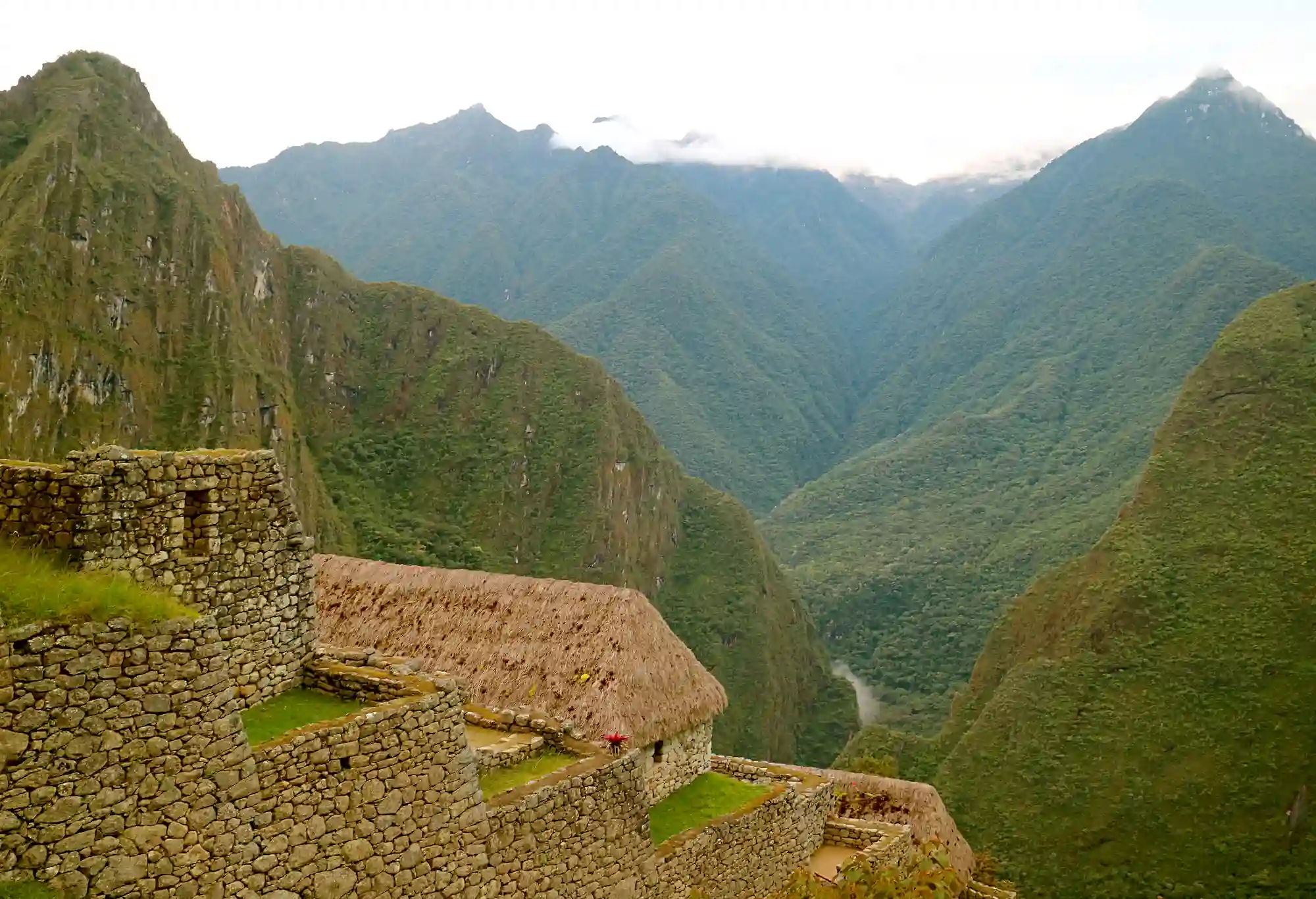
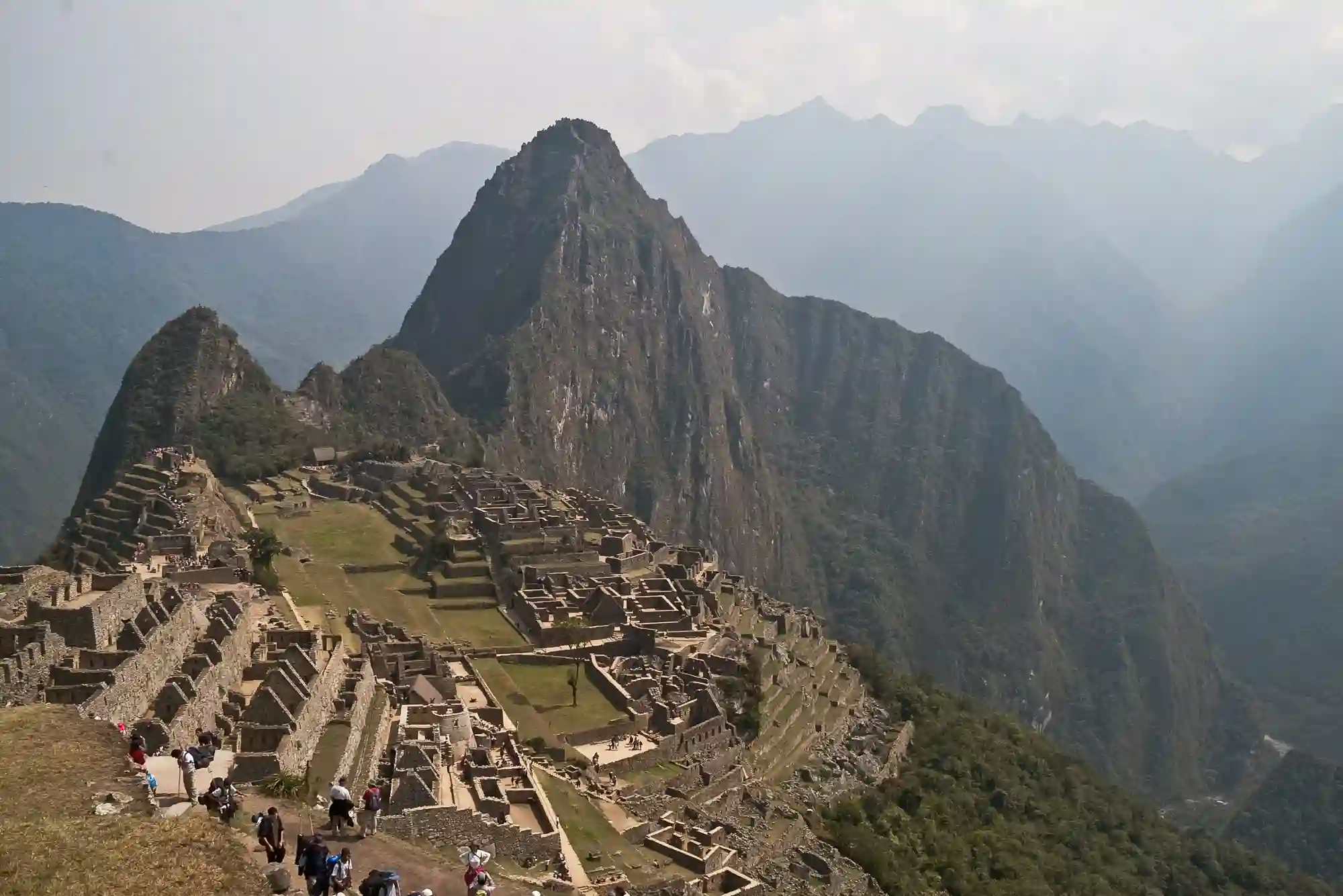
Compare the full Classic Inca Trail with shorter versions designed for travelers who have limited time but still want the essence of the protected route to Machu Picchu.
The Inca Trail changes the meaning of Machu Picchu because the citadel becomes the final chapter of a journey, not just a destination reached by train.
If permits are available, the 4-day route offers the deepest experience. If dates are tight, shorter Inca Trail options can still deliver archaeology, scenery and a memorable arrival.
For the Inca Trail, availability controls the itinerary. Once the trail date is confirmed, hotels, trains, acclimatization days and Cusco tours can be organized around it.
When the classic trail is unavailable, travelers can combine the Short Inca Trail, Sacred Valley, Machu Picchu by train or alternative treks like Salkantay to keep the trip strong.
Use this section if your desired date is sold out or if you want to compare the classic trail with a shorter, easier-to-fit version.
Share your passport details, travel window and preferred route length early so we can recommend the cleanest booking path.
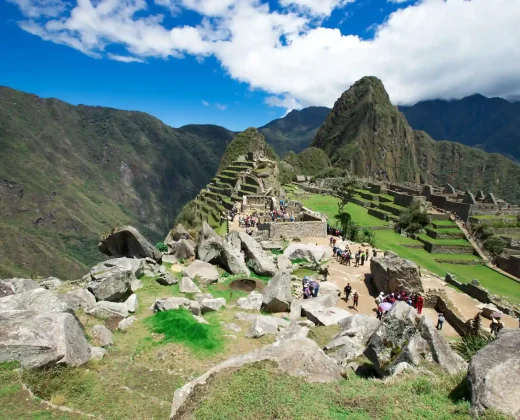 Featured Tour
The Inca Trail 4 Days to Machu Picchu is the most iconic trekking experience in Peru and one of the best ways...
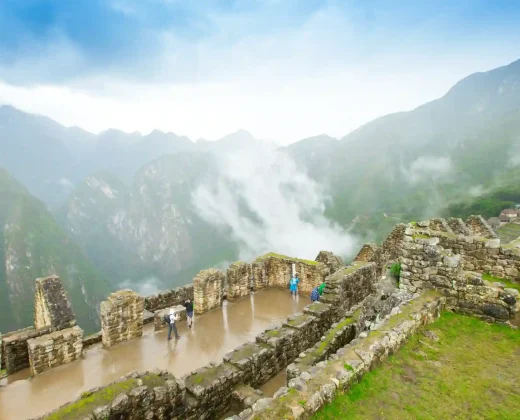 Featured Tour
Inca Trail 2 Days to Machu Picchu – An Unforgettable Journey The Inca Trail 2 Days to Machu Picchu is the perfect...
 Featured Tour
The One-Day Inca Trail to Machu Picchu is the ideal option for travelers with limited time who still want to experience the...
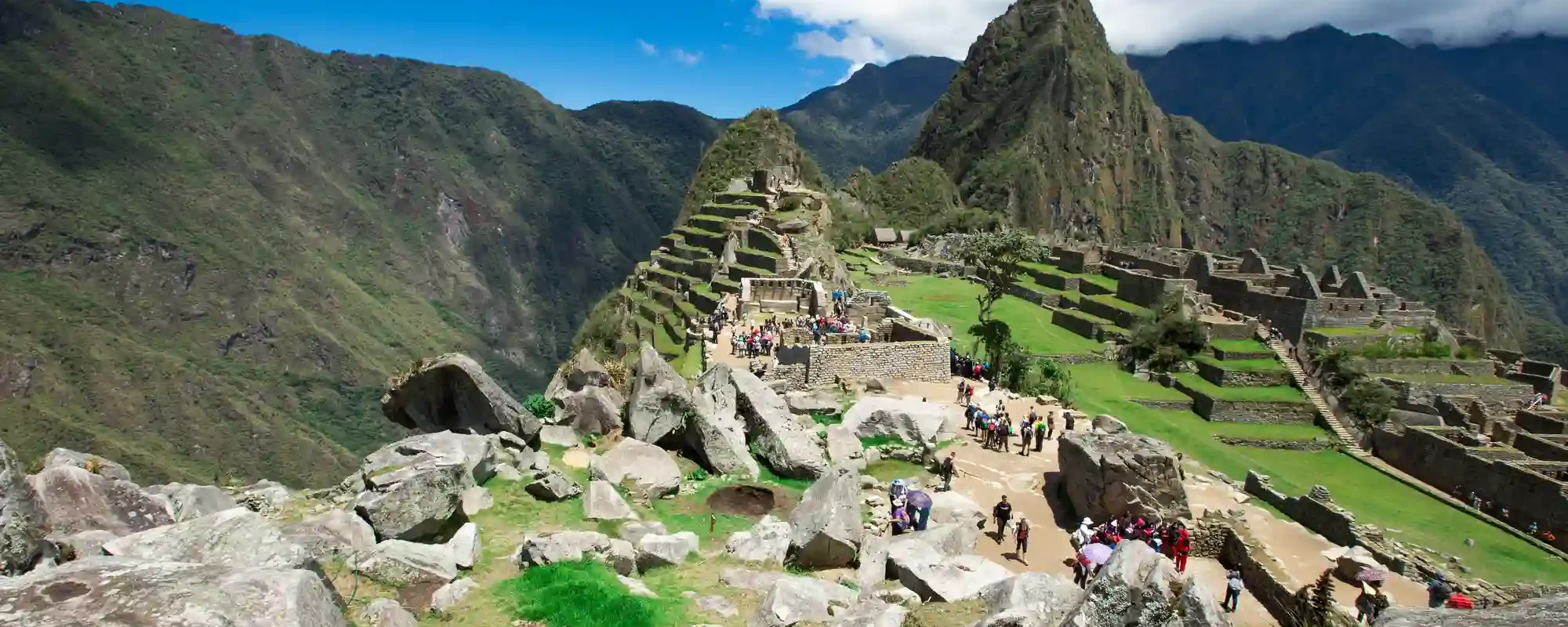
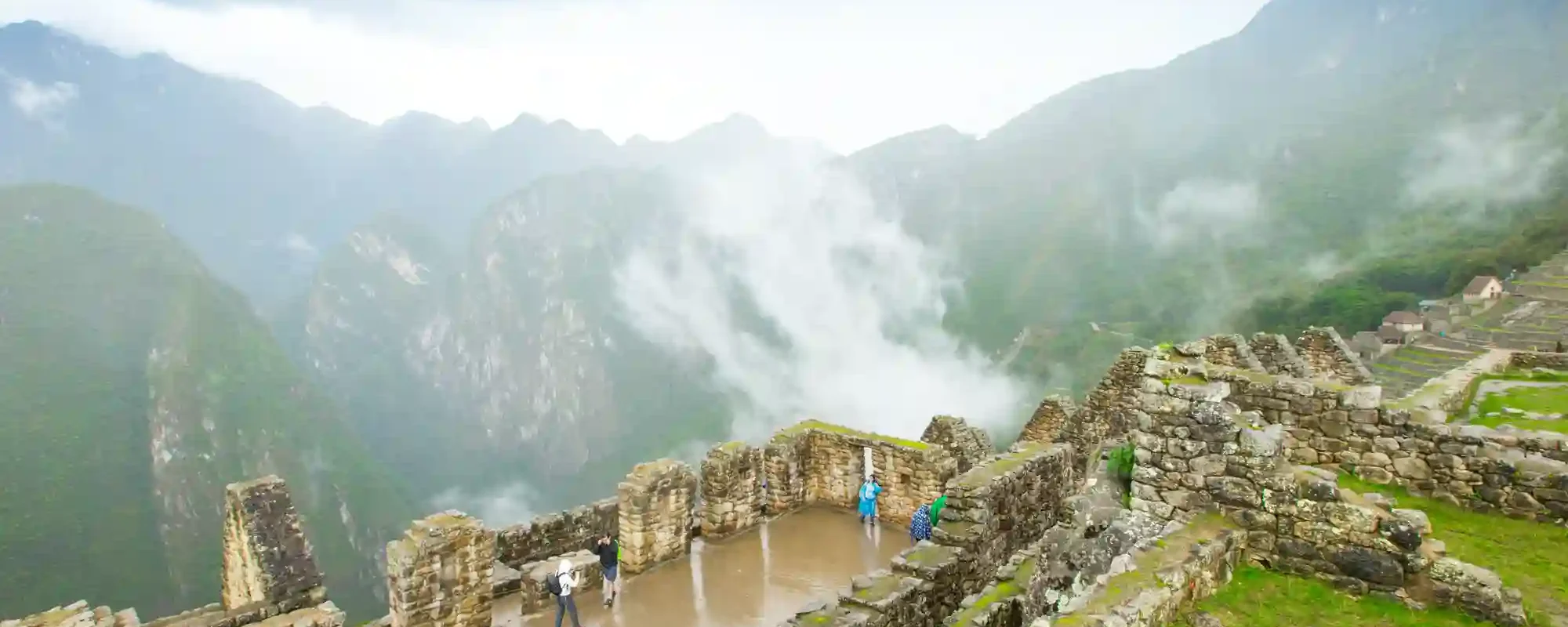
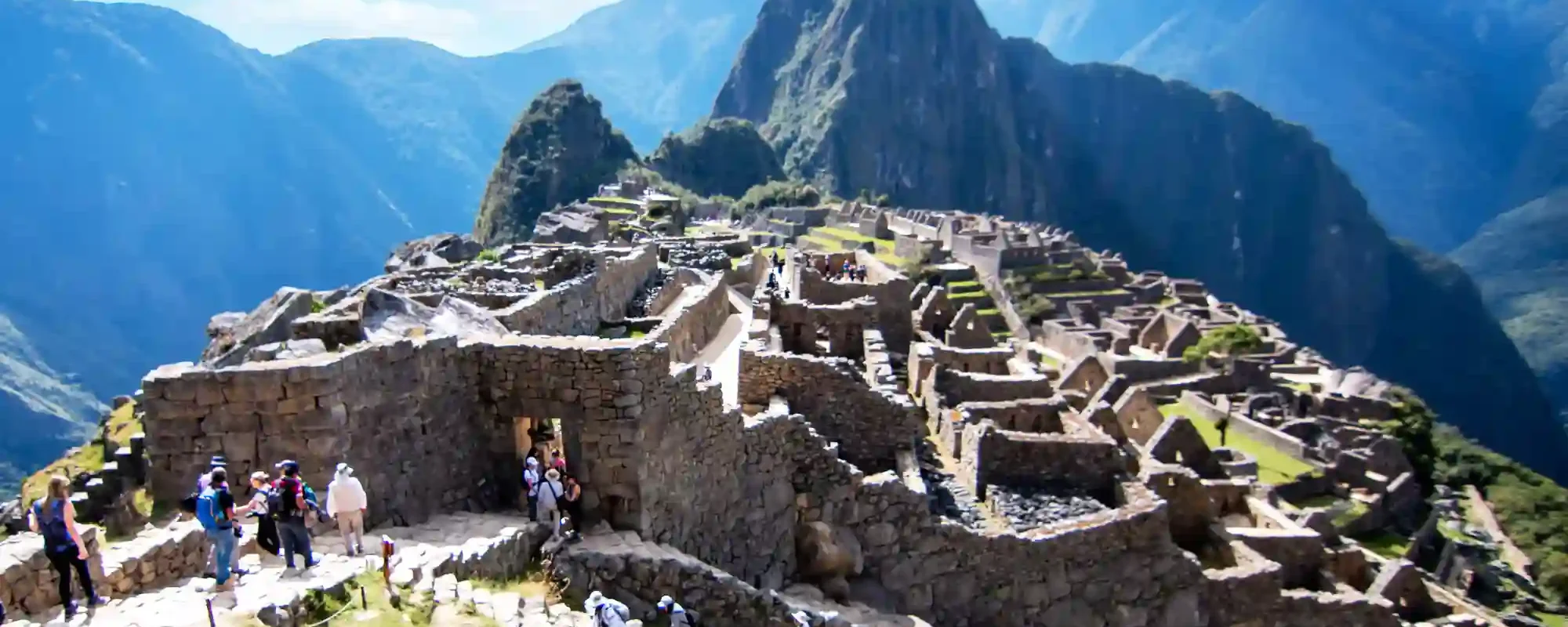
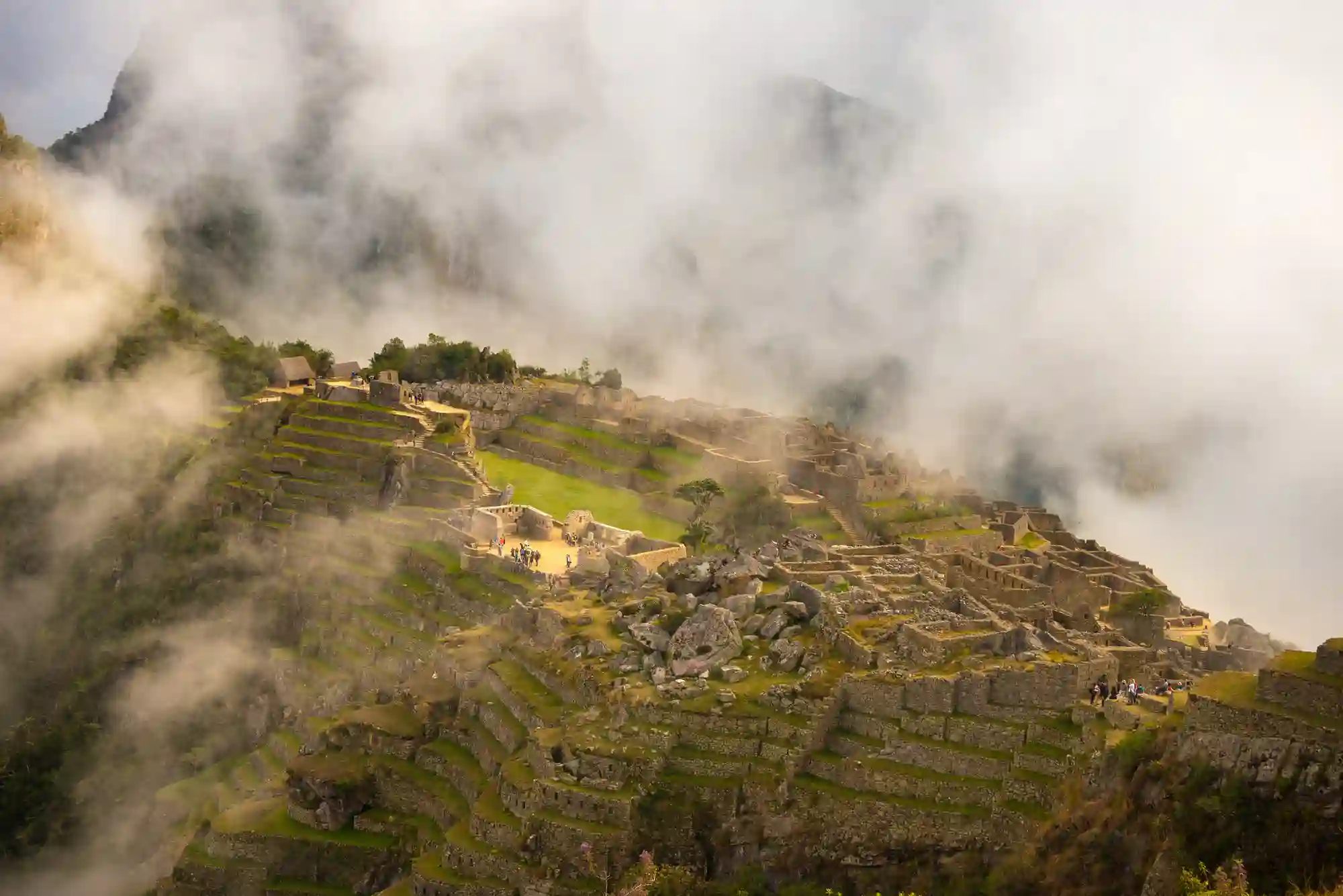
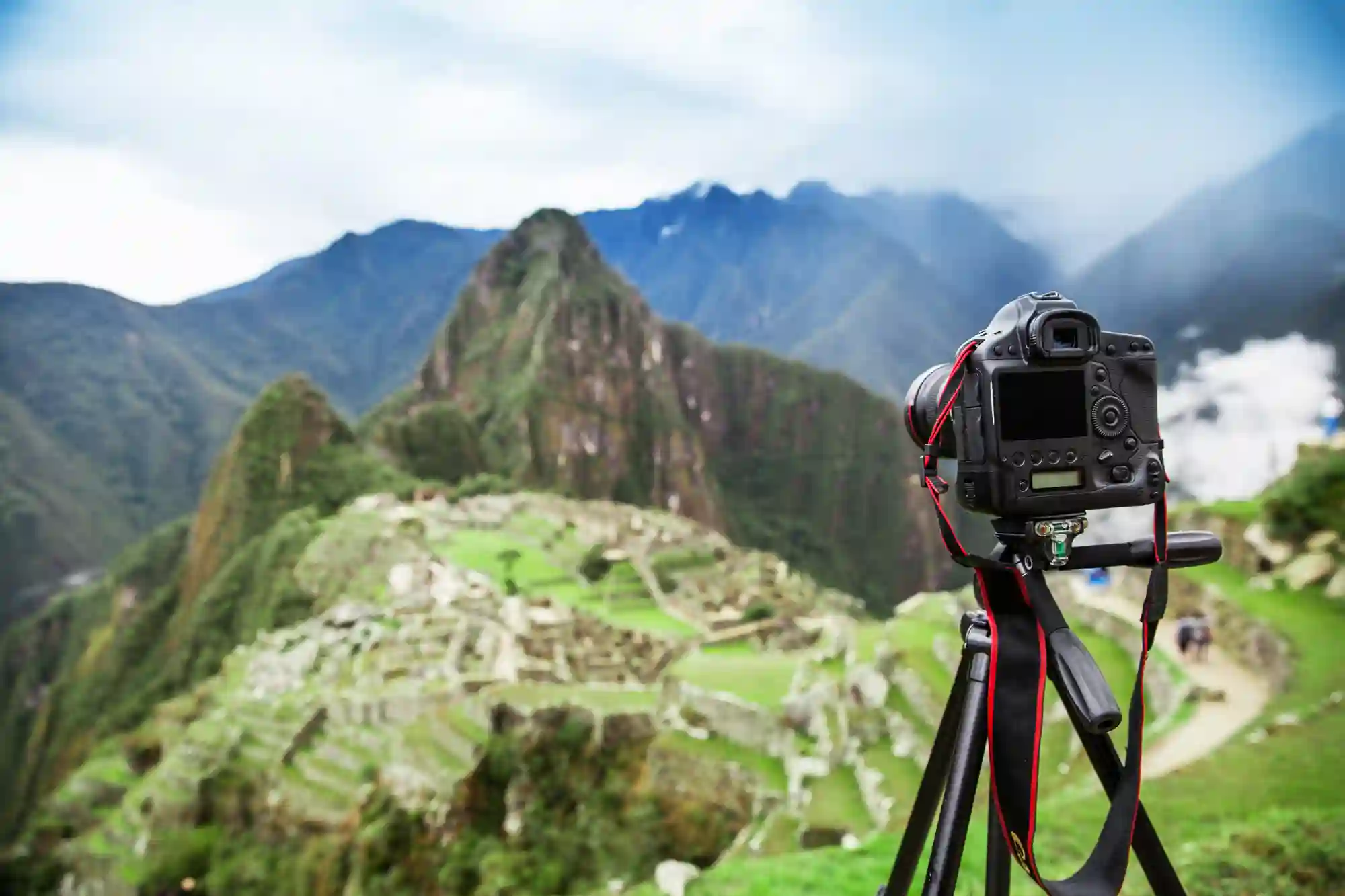
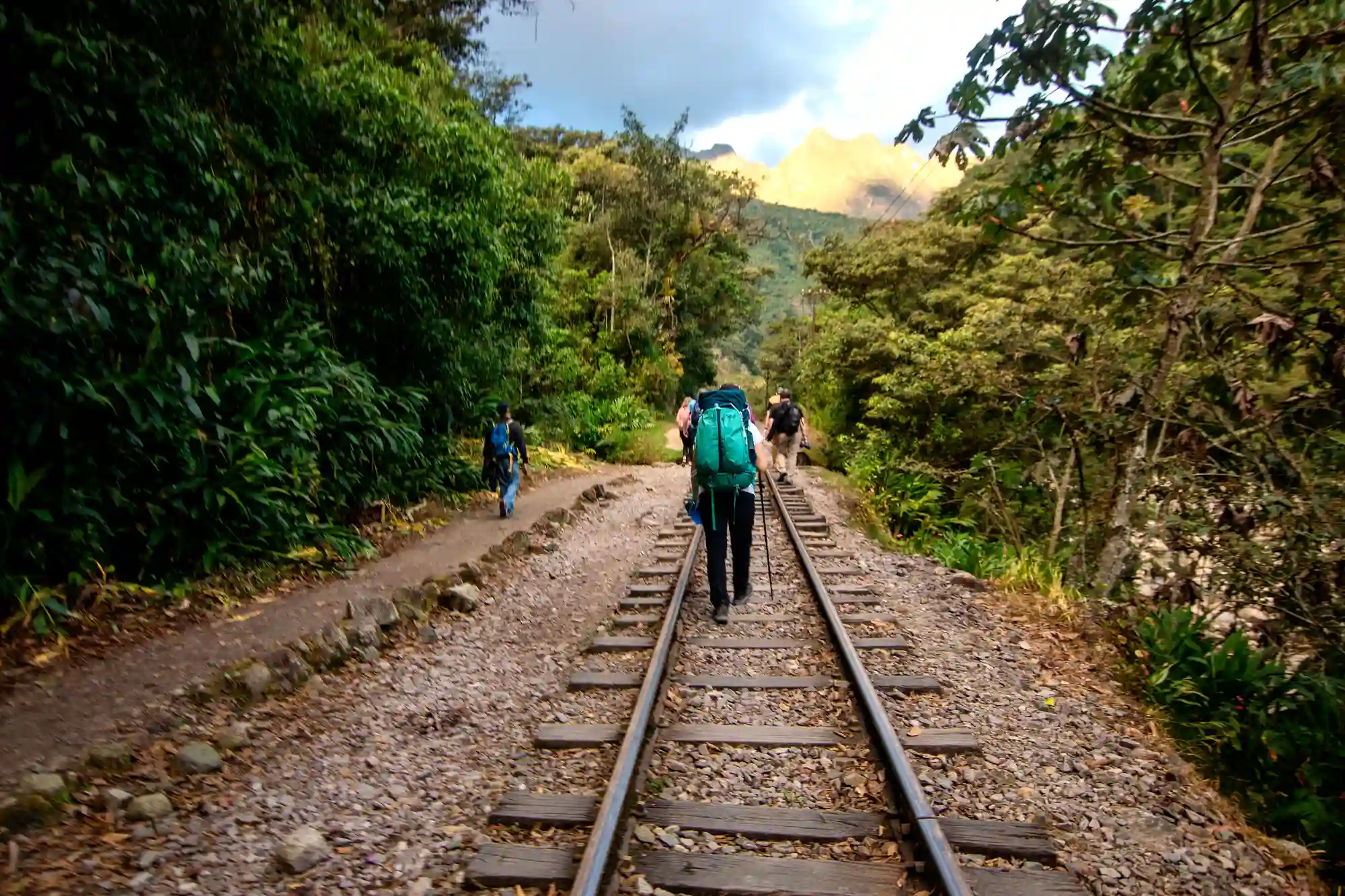
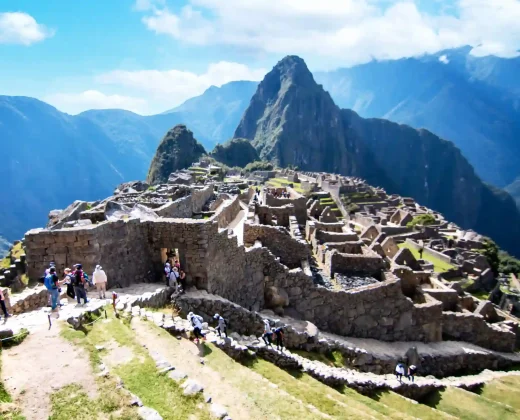
See the kind of landscapes that make the Inca Trail legendary: cloud forest, terraces, stone paths, mountain passes and the final view toward Machu Picchu.
Planning the Inca Trail means understanding permits, route length, camping logistics and altitude. A good guide helps travelers book confidently and avoid unrealistic expectations.
Yes. The Inca Trail inside the Historic Sanctuary of Machu Picchu is regulated, and visitors must enter through an authorized tourism operator. This is fundamentally different from treks where you can simply arrive at the trailhead and start walking independently. SERNANP currently lists authorized operators and makes their use mandatory for this protected area.
The Classic Inca Trail (Route 1) is officially a 4-day/3-night route of about 33.7 km, involving camping and several days of sustained hiking. The Route 5 access from Chachabamba/Km 104 is only about 10.5 km and can be completed as a one-day hiking route, although commercial packages commonly spread the experience over two days by adding an overnight stay.
The Inca Trail has its own controlled reservation inventory. Availability for the trail should therefore never be inferred from general Machu Picchu availability. For the January 2026 reservation release, Cultura Cusco opened defined daily capacities for individual Inca Trail routes, demonstrating that trail access itself is a finite resource.
No. SERNANP states that visitors must use an authorized tour operator to enter the Inca Trail network. This is not simply a recommendation for convenience; access is regulated through official controls, registered groups, guides, and support personnel.
Both matter, but many travelers underestimate the stone staircases and accumulated elevation changes. The Classic Route covers only about 33.7 km, which may not sound extreme, but that distance is divided across mountain terrain over four days. The route crosses Warmiwañuska and includes numerous long stair sections and descents, making leg endurance more important than the total kilometer count suggests.
No. Good fitness helps you handle the walking, but it does not protect you from acute mountain sickness. The CDC specifically notes that physical fitness does not determine susceptibility to altitude illness. A highly trained traveler arriving directly from sea level can therefore struggle more than a moderately fit traveler who has acclimatized properly.
Entry is controlled electronically. Cultura Cusco reports that officials at the Inca Trail checkpoints compare registered visitor information with the authorized group records. Send your passport details carefully when reserving and carry the identification associated with your booking when entering the trail.
The official protected-area information describes basic campsites and sanitary facilities, not hotel-style infrastructure. Travelers should therefore prepare for functional rather than luxurious facilities. This is especially important when deciding what personal hygiene items, camp clothing, headlamp, and sleeping equipment to bring.
No. Machu Picchu currently operates three main circuits divided into ten routes, each providing access to different areas. Your Inca Trail experience and your route inside Machu Picchu should therefore be understood separately. Confirm the exact Machu Picchu visit included with your reservation instead of assuming that entering through the trail provides unrestricted movement through the archaeological complex.
Normally, no. The Inca Trail network closes during February for conservation, cleaning, and maintenance, with operations generally resuming in March subject to trail conditions. Authorities have used this annual closure to maintain both the ancient trail and visitor infrastructure
For the Classic Inca Trail, your trekking date should be one of the first parts of your Peru trip that you confirm. Availability is controlled and route-specific, so having flights, hotels, or a Machu Picchu plan does not create Inca Trail availability. Confirm your permit before making expensive non-refundable arrangements around a particular trekking date.
The Inca Trail is one trek where choosing an operator is not simply about comparing reviews and prices. SERNANP requires visitors to enter through authorized tourism operators and maintains information on approved operators for the sanctuary.
Before paying, make sure the company is actually able to make official Inca Trail reservations rather than merely reselling another operator’s service.
Check the spelling of your full name, passport number, nationality, and other requested identification information before your permit is processed.
Do not casually send an old passport number if you already know you will renew the document before Peru. Entry controls verify registered passenger information, so corrections are much easier to deal with before the trek than at the checkpoint.
Travelers sometimes arrive in Cusco and immediately schedule Rainbow Mountain or another very high-altitude excursion as “acclimatization.”
That can do the opposite of what you want.
CDC guidance recommends keeping exercise relatively mild during the first 48 hours after arriving at altitude. Walking around Cusco is useful; exhausting yourself before the Inca Trail is not.
Regular caffeine users sometimes stop drinking coffee after arriving in Peru because they think caffeine is incompatible with altitude.
Abruptly stopping can produce a withdrawal headache, which can then be confused with an altitude-related headache. Keep your normal moderate caffeine routine rather than making sudden changes immediately before the trek.
At the same time, CDC guidance recommends avoiding alcohol during the first 48 hours at altitude.
Travelers usually worry about going uphill, but Inca stone staircases also involve prolonged descending.
Start using trekking poles before your knees become painful, shorten your stride on steep descents, and make sure your footwear prevents your feet sliding toward the toe box.
The Inca Trail rewards good downhill technique almost as much as cardiovascular fitness.
Keep one shirt, underwear, socks, and warm layer inside a waterproof bag and use them only after reaching camp.
Even if everything else becomes damp from sweat or rain, you will have guaranteed dry clothing for sleeping.
This is more useful than packing several extra outfits that gradually become damp over consecutive days.
A bulky-looking sleeping bag is not necessarily warm.
If bringing your own, compare the actual temperature rating. A three-season bag around 20°F / -6°C is a useful reference for travelers who sleep cold or want greater margin, though individual comfort and season matter.
The official sanctuary information notes colder conditions in higher sectors of the Inca Trail.
Take the personal luggage allowance provided by your operator seriously.
Porter work on the Inca Trail is regulated, including maximum loads designed to protect workers. Peru’s porter legislation sets load limits, so unnecessary passenger luggage ultimately affects a tightly managed logistics system.
Leave laptops, large toiletries, multiple pairs of shoes, and clothing for the rest of Peru in Cusco.
Do not schedule an international flight a few hours after your planned return.
Weather, trail conditions, rail operations, road transport, or conservation measures can occasionally affect logistics. In recent years authorities have temporarily delayed or altered access when landslides and heavy rainfall affected sections of the Inca Trail.
A buffer night turns an operational delay into an inconvenience rather than a missed flight.
The Inca Trail is not only a hike; it is a protected cultural corridor. The route connects places such as Wiñay Wayna, high passes, stone stairways and cloud-forest sections before the first view of Machu Picchu from the Sun Gate. For many travelers, that arrival is the emotional reason to choose this trek over every alternative.
The trade-off is planning. The permit system controls daily access, and popular months can sell out far in advance. Travelers who want this experience should treat the route like a limited-entry expedition, not a last-minute add-on.
Choose the Inca Trail if you value archaeology, storytelling, original paths and the most classic arrival to Machu Picchu. Choose another route if you need flexible last-minute dates or prefer a lower-permit adventure.
For the Inca Trail, test your footwear specifically while descending stairs. Your heel should remain relatively stable and your toes should not repeatedly strike the front of the boot.
The Merrell Moab 3 Mid Waterproof is a practical example because it combines a mid-height construction with waterproof materials and hiking-oriented support. More important than the brand, however, is that you have already tested the boot on long descents.
Bring two poles rather than one walking stick. The greatest benefit on the Inca Trail often appears during repeated stair descents when your quadriceps are already tired.
The Black Diamond Trail Back uses aluminum shafts and FlickLock adjustment with a 100–140 cm range, making it easy to adapt the length for climbing and descending.
If porters transport your overnight equipment, there is little advantage in carrying a large trekking backpack yourself.
The Osprey Talon 22 is a useful reference: it has a close-fitting AirScape back panel, hip belt, and technical hiking layout. A correctly fitted hip belt also transfers more of the load away from your shoulders.
Do not rely exclusively on a disposable emergency poncho for several days in the mountains.
The Patagonia Torrentshell 3L is a strong example of a three-layer waterproof/breathable shell. Whatever brand you choose, prioritize actual waterproof construction, ventilation, and enough room to fit your insulating layers underneath.
Wet hiking trousers become much more uncomfortable when you still have several hours of walking ahead.
The Outdoor Research Helium UL Pant is designed as an ultralight, packable waterproof layer for fast hiking and unpredictable mountain weather. Rain pants are particularly useful because they can remain buried in your backpack until conditions genuinely require them.
If bringing your own sleeping bag, choose by temperature rating and packed weight rather than appearance.
The Therm-a-Rest Parsec 20F/-6C is a premium lightweight three-season example using 900-fill down. You do not necessarily need to purchase a bag at this level—renting appropriate equipment in Cusco can make more sense—but it provides a useful benchmark for what a serious backpacking sleeping bag looks like.
Bring several hiking-specific pairs and keep one completely dry spare pair in your daypack, not with inaccessible camp luggage.
Smartwool’s Hike range uses merino wool and offers different cushioning levels. Merino is useful for multi-day trekking because it manages moisture and temperature better than ordinary cotton socks.
Do not use your phone as your primary camp flashlight.
The Petzl ACTIK CORE currently provides up to 625 lumens and uses Petzl’s rechargeable CORE system. A useful alternative is the regular ACTIK, which can also work with standard AAA batteries, giving travelers an additional backup option where charging is limited.
Instead of relying on one large container, carry two. This lets you keep plain water in one and electrolytes in another and provides redundancy if one bottle is lost or damaged.
The Nalgene 32 oz Wide Mouth is a durable one-liter option with a leakproof design and a wide opening.
Electricity should never be assumed to be conveniently available whenever your phone needs charging.
The Anker Nano Power Bank 10K (30W) provides 10,000 mAh and includes a built-in USB-C cable, reducing the number of separate accessories you need to manage.
Keep both the battery and your phone inside an internal waterproof pouch; a backpack rain cover alone should not be your only protection against prolonged rain.
You can improve your muscles in the gym, but acclimatization only happens after exposure to altitude.
Plan sufficient time in Cusco before your trek. CDC guidance recommends gradual acclimatization and relatively mild activity during the first 48 hours after arrival at high altitude.
Do not use excellent fitness as a reason to skip this step.
High altitude means reduced oxygen availability.
Travelers with significant cardiovascular or pulmonary disease, severe sleep-related breathing disorders, or a previous severe altitude reaction should discuss their plans with a healthcare professional familiar with altitude travel before leaving home. The CDC specifically identifies underlying cardiopulmonary conditions as important considerations in high-altitude travel.
Headache combined with symptoms such as nausea, dizziness, unusual fatigue, or loss of appetite can indicate acute mountain sickness.
More serious symptoms—including confusion, problems walking normally, or breathlessness while resting—require urgent attention.
The important preparation is not memorizing every altitude condition; it is understanding that worsening symptoms should never be treated as a test of toughness.
One of the most useful Inca Trail exercises is not running—it is controlled descending.
Use staircases, step-down exercises, or hilly trails and descend slowly. Downhill movement trains your quadriceps eccentrically, which prepares them for the repeated braking action required on long stone staircases.
If your knees hurt during training, solve the issue before Peru rather than hoping altitude somehow makes it disappear.
One long Saturday hike can give you false confidence.
A multi-day trek requires you to walk again the following morning with muscles that are not fully recovered.
During preparation, occasionally complete moderate hiking sessions on two consecutive days. You will quickly discover whether your main limitation is cardiovascular endurance, feet, knees, recovery, or backpack comfort.
Mountain stairs and uneven stone paths frequently load one leg more than the other.
Include exercises such as:
The objective is not bodybuilding. It is improving stability when your legs are tired and the terrain becomes uneven.
Feet often expand slightly during long days of walking.
Complete at least one long training hike using the exact socks and footwear you intend to bring. Pay particular attention to your toes during descents.
If your toes repeatedly touch the front of the boot after several hours, that problem will become considerably worse on repeated Inca stairs.
Do not train without a backpack and then suddenly carry several kilograms on the Inca Trail.
Load your daypack with approximately what you expect to carry and adjust the hip belt and shoulder straps during training.
This also reveals which items are difficult to reach while walking and which pieces of equipment you probably do not need.
Reduce hard training before traveling.
There is little fitness to gain during the final few days, but there is plenty to lose by arriving with inflamed knees, tight calves, blisters, or a respiratory infection.
Your final week should emphasize recovery, normal sleep, and maintaining fitness rather than trying to set new training records.
For travelers at increased risk or those who cannot avoid rapid ascent, clinicians may sometimes recommend acetazolamide to assist acclimatization. CDC guidance includes it as an option in appropriate circumstances.
This decision should be made with a healthcare professional before traveling. Do not wait until you are on the trail and then take medication borrowed from another passenger.
Availability is determined first by the official reservation system.
Cultura Cusco operates controlled reservations for the Inca Trail, and visitor access is checked electronically at the trail entrance. A company may have guides, porters, tents, and transportation available but still be unable to operate your requested date if the required trail inventory is exhausted.
In the official opening of reservations for January 2026, Cultura Cusco reported 500 daily spaces for each of Routes 1, 2 and 3 and 250 daily spaces for Route 5. These figures show why availability should be checked for the specific route rather than discussing “Inca Trail availability” as one generic pool.
The Classic Inca Trail and the Km 104/Chachabamba option operate under different official routes.
Route 1 is the principal four-day route from Piskacucho, while Route 5 begins at Chachabamba and covers approximately 10.5 km. Space on one does not automatically indicate space on the other.
If your preferred Classic Trail date is unavailable, the Short Inca Trail is worth checking separately rather than assuming every Inca route is sold out.
A very current example of why availability should always be verified: Route 5 from Chachabamba reopened on August 1, 2026, after specialized conservation and maintenance work. Authorities confirmed that the route reopened only after technical evaluation found conditions suitable for visitors.
This demonstrates that a route can temporarily become unavailable even outside the standard February closure.
The Inca Trail network normally closes throughout February for maintenance and conservation work.
Do not build a February itinerary assuming you will find a last-minute exception. Travelers visiting Machu Picchu in February should plan another access method.
Rainfall, landslides, falling rocks, damaged infrastructure, or conservation work can affect access.
In March 2025, for example, authorities kept sections of the Inca Trail closed beyond the normal February maintenance period after landslides and other rain-related damage affected the route.
For wet-season travel, a confirmed reservation should therefore not be interpreted as immunity from force-majeure changes.
The Inca Trail is its own reservation decision.
If hiking the Classic Trail is a priority, check its permits first. Machu Picchu currently has several circuits and routes, whereas the regulated Inca Trail has its own inventory and operator requirements.
Planning the citadel first and the trek second can leave you with a Machu Picchu ticket but no Inca Trail permit.
For many alternative treks, an operator can sometimes create a new private departure by finding a guide and vehicle.
The regulated Inca Trail is different.
Once the required official inventory for the route/date is unavailable, adding another guide or paying for private service does not create new government-controlled trail capacity.
This is why “private” should not be confused with “unlimited availability.”
Do not ask an operator to “hold” an Inca Trail permit while you decide which passport details to provide.
Official controls compare registered visitors with the authorized group information at entry.
When you are ready to reserve, have each passenger’s correct identification details available so the operator can process the booking properly.
If the Inca Trail is one of the main reasons for your trip to Peru, organize your itinerary around the confirmed trekking date, not the other way around.
This is particularly important for travelers with only one possible departure date. Route quotas, the February closure, conservation work, and occasional weather-related restrictions make the Inca Trail fundamentally less flexible than an ordinary Cusco excursion.