S

We were a group of four girls, all 24 years old! It was an incredible experience! Genrri was an excellent guide, and our chef, Ricardo, was fantastic; he prepared vegetarian lunch and dinner for us every day. I highly recommend it!
 4.8/5
342 reviews
4.8/5
342 reviewsRemote trekking to the “sister city” of Machu Picchu above the Apurimac Canyon.
Choquequirao is for travelers who want the Andes without the crowds. The trek descends into the Apurimac Canyon, climbs back toward a vast archaeological complex and rewards effort with a quieter, wilder feeling than the classic routes to Machu Picchu.
Choquequirao Trek is one of Peru’s most powerful routes for travelers who want space, silence and a real expedition atmosphere. The archaeological park sits above the Apurimac Canyon and requires demanding walking, steep descents and strong climbs, which is exactly why the site still feels remote.
The destination markets itself through exclusivity: not luxury exclusivity, but the rare feeling of reaching a major Inca site without the density of Machu Picchu. It is ideal for hikers who want a serious physical challenge and a deeper sense of discovery.
View our Tripadvisor page
Read recent experiences from travelers who booked with our local team and shared how the service, organization, and on-trip support felt in real situations. These reviews help future passengers understand what to expect before choosing their tour.
We were a group of four girls, all 24 years old! It was an incredible experience! Genrri was an excellent guide, and our chef, Ricardo, was fantastic; he prepared vegetarian lunch and dinner for us every day. I highly recommend it!
We did the 4 day and 3 night Salkantay Trek on the 27th of July, and it was honestly one of the highlights of our trip. I couldn't recommend it enough, especially with Machu Picchu Teams.Everything exceeded our expectations from the accommodation and food to the organisation and most importantly, the amazing staff. Our guide Max made the experience so special. He taught us so much about the Quechua way of life and Inca traditions at every stop along the trek, which gave us such a good appreciation for the places we were visiting. He was also so much fun to be around, always making us laugh and keeping everyone's spirits high, even during the toughest parts of the hike. His positivity, encouragement and knowledge really made the experience unforgettable.A huge thank you as well to our chefs, especially Braulio, the head chef. We genuinely couldn't believe the quality of the food considering where we were. Every meal was so fresh and delicious and they had lots of vegetarian options too. We were given three generous meals a day which also included starters at lunch and dinner, plus snacks along the way. It was far beyond anything we expected on a trek.What really sets this company apart is the people. Max wasn't just a guide he genuinely cared about everyone in the group and always made sure we were doing okay. He knew exactly when to encourage us on the harder climbs, when to make us laugh, and when to stop to tell us another story about the history and culture of the area. He gave us a group name and gathered us every morning to do a chant together to get us ready for the day. You can tell he loves what he does and his passion made the whole trek so much more meaningful.The entire team was so kind and welcoming, and they made us feel looked after from start to finish. If you're thinking of doing the Salkantay Trek, I couldn't recommend Machu Picchu Teams more. It was an unforgettable experience, and we're so grateful to everyone who made it so special.
This tour is full of adventures and blessings. The exciting bicycle descent from the Andes took us through changing landscapes to the tropical rainforest. The hike through the jungle, led by an expert guide, allowed us to learn about the local flora and fauna. The RAFTING and ZIPLINING activities added excitement to the trip and were perfectly organized. The natural hot springs were an ideal place to relax after days full of activities. The visit to Machu Picchu was the highlight, with its impressive architecture and view. I highly recommend this tour to anyone looking for a combination of adventure, nature, and culture.
Had an amazing time, super well organized, nice people, and Nacho, the guide is amazing (and very funny) !!!❤️
I had an amazing time doing the Salkantay trek with Machu pichu teams! Especially Nacho who was an incredible guide for our group, always making sure we were all having a good time, having fun and looking after us from the start to the end. Big thanks to the whole team :)
Choquequirao should be selected by pace and fitness. Faster routes are intense; longer routes give more time to absorb the canyon and the archaeological site without rushing.
Steep descents and climbs make Choquequirao more demanding than many popular Cusco tours.
Challenging – Expedition Style
Shorter versions are intense; longer versions are better for travelers who want time at the site.
3 Days – 4 Days – 5 Days
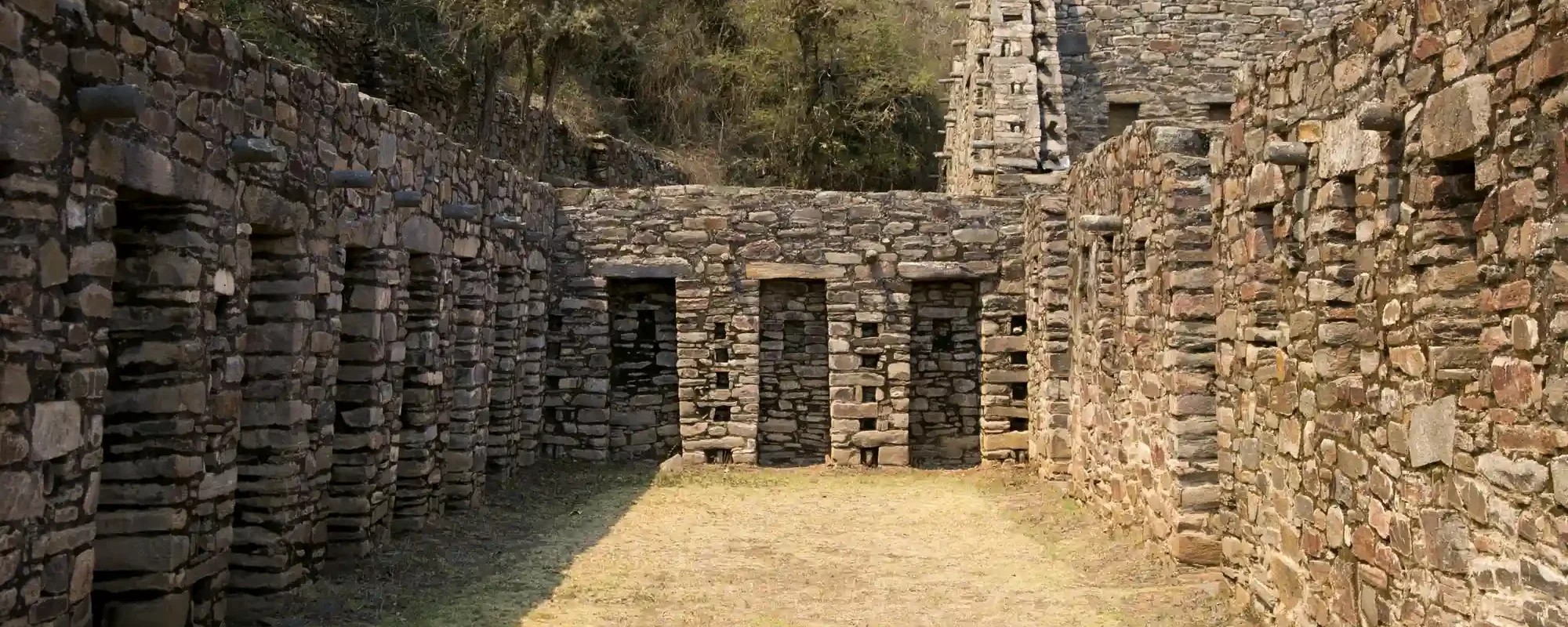
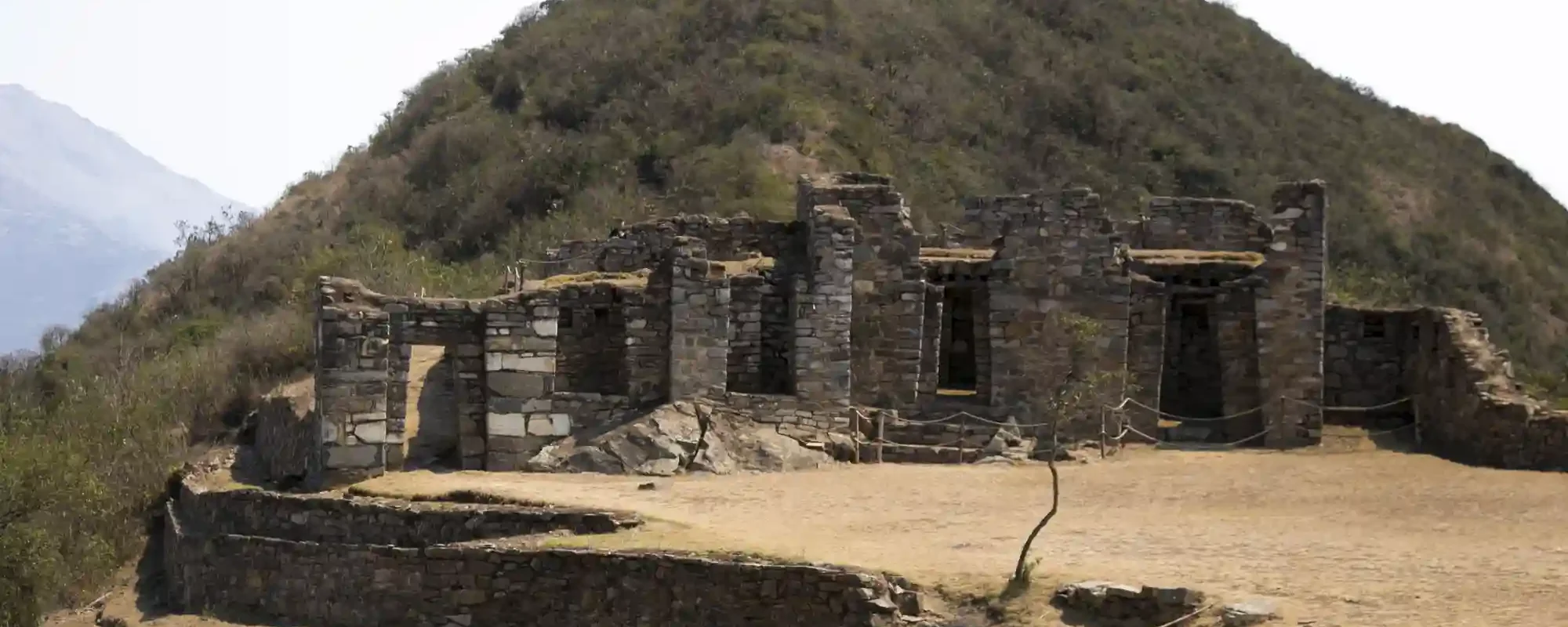
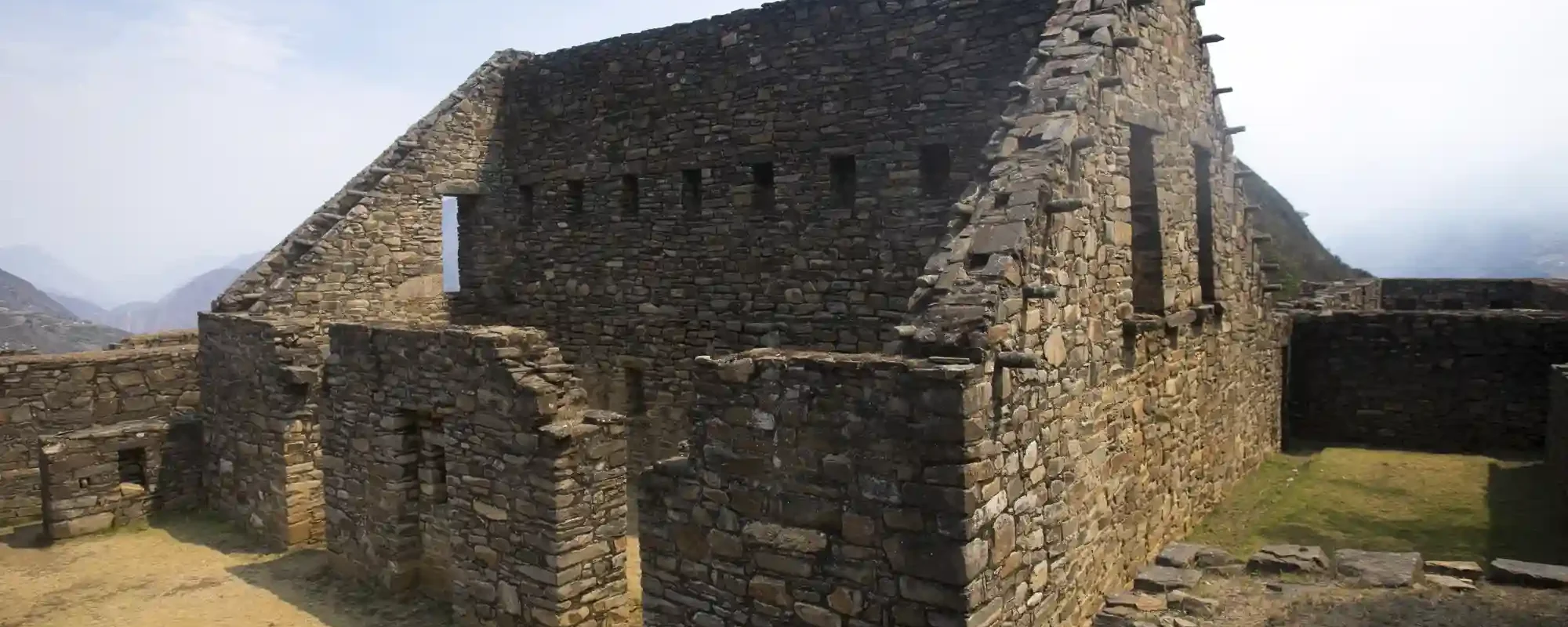
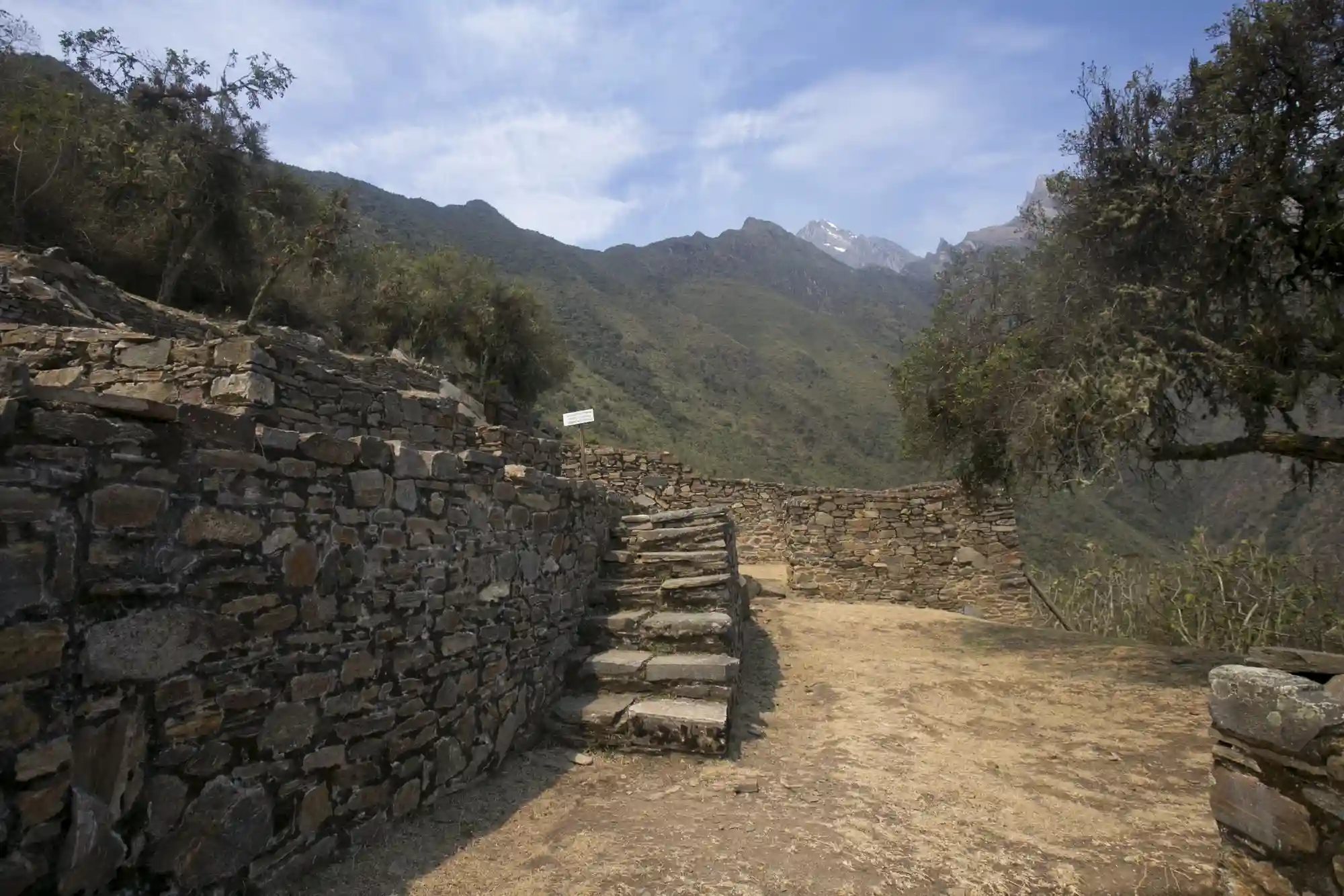
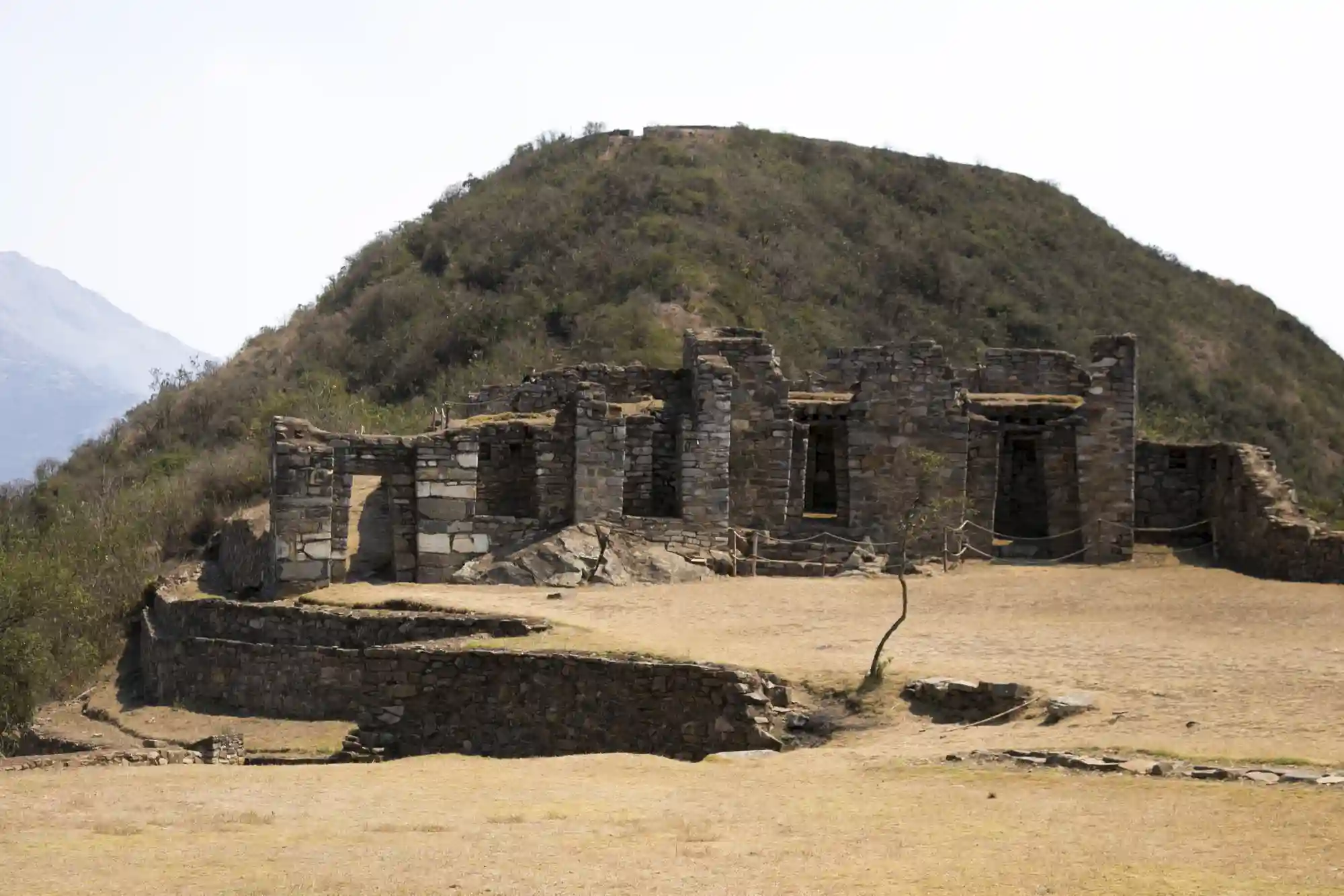
The main reward is a large Inca complex with terraces, ceremonial areas and dramatic canyon views.
Remote Ruins – Terraces – Apurimac Canyon
Canyon sections can be hot while nights can cool down at camp.
Hot Canyon – Cool Nights
Ideal for hikers who want fewer crowds and a stronger sense of discovery.
Fit Hikers – Photographers – Remote Travel
Expect camping logistics and a more rugged travel style than train-based Machu Picchu tours.
Camping – Mule Support – Rugged Route
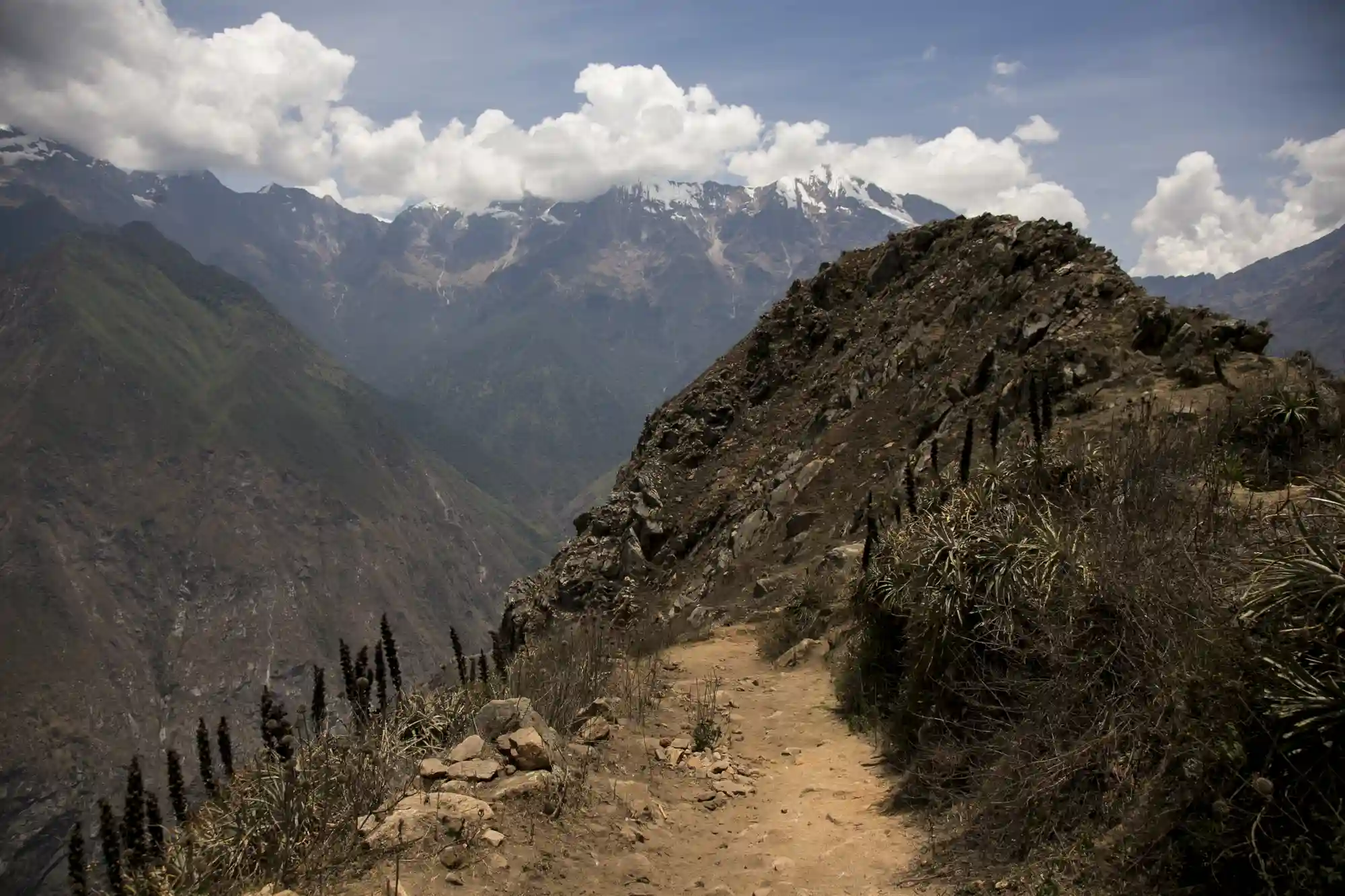
Compare available Choquequirao route lengths based on how much time you want at the archaeological site and how intense you want the canyon crossings to feel.
Choquequirao remains special because it asks for effort. The trail filters the crowds and gives the arrival a powerful feeling of discovery.
Choose the slower version if you want photography, archaeological time and better recovery between climbs. Choose a faster route only if you are confident with sustained trekking.
This is not a casual day trip. Hydration, pacing, sun protection, camping comfort and guide support directly shape the quality of the experience.
Route length, camp rhythm and private pacing can make Choquequirao feel either intensely athletic or more contemplative.
Use this group if you want to compare a fast adventure with a slower expedition style.
Tell us your trekking experience and preferred pace so we can recommend a realistic version.
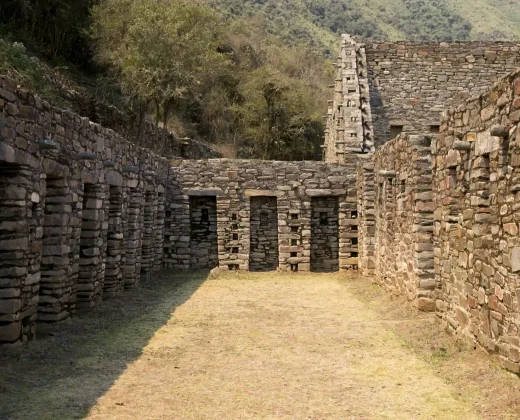 Featured Tour
The Choquequirao Trek 4 Days is one of the most rewarding and less crowded adventures in Peru, leading you to the impressive...
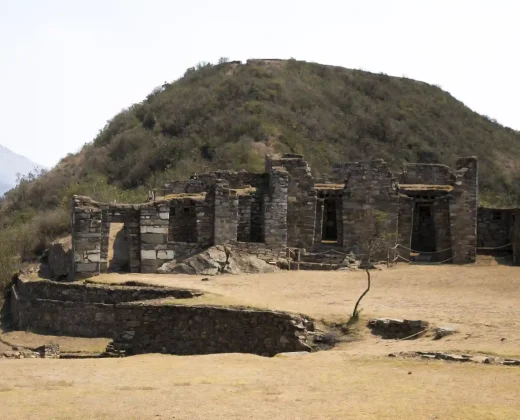 Featured Tour
The Choquequirao Trek 4 Days is one of the most rewarding and off-the-beaten-path experiences in Peru, leading you deep into the Andes...
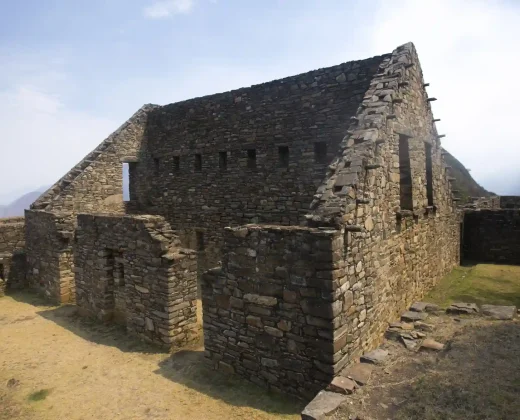 Featured Tour
The Choquequirao Trek 3 Days is one of the best trekking experiences in Cusco, designed for travelers who want to discover a...
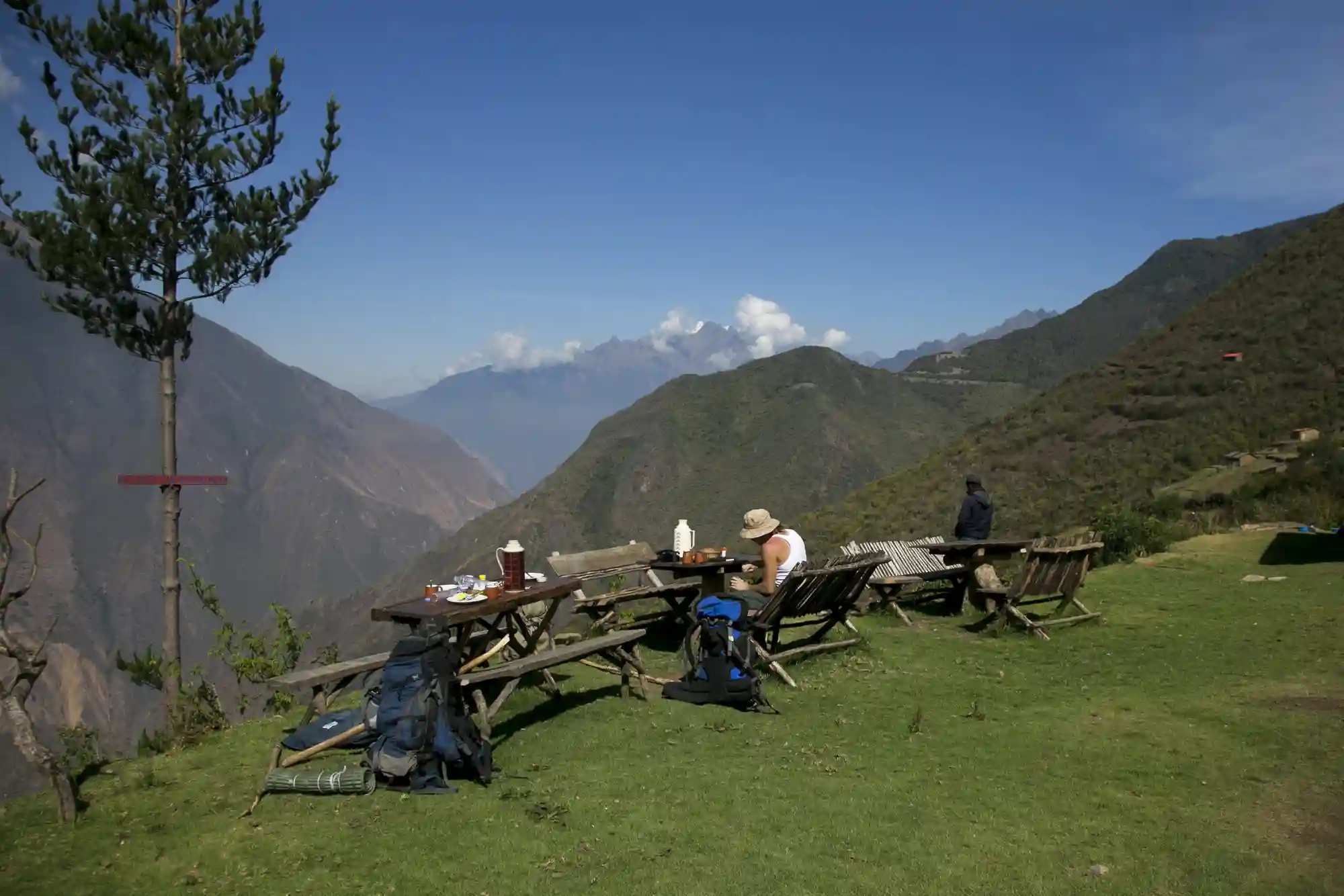
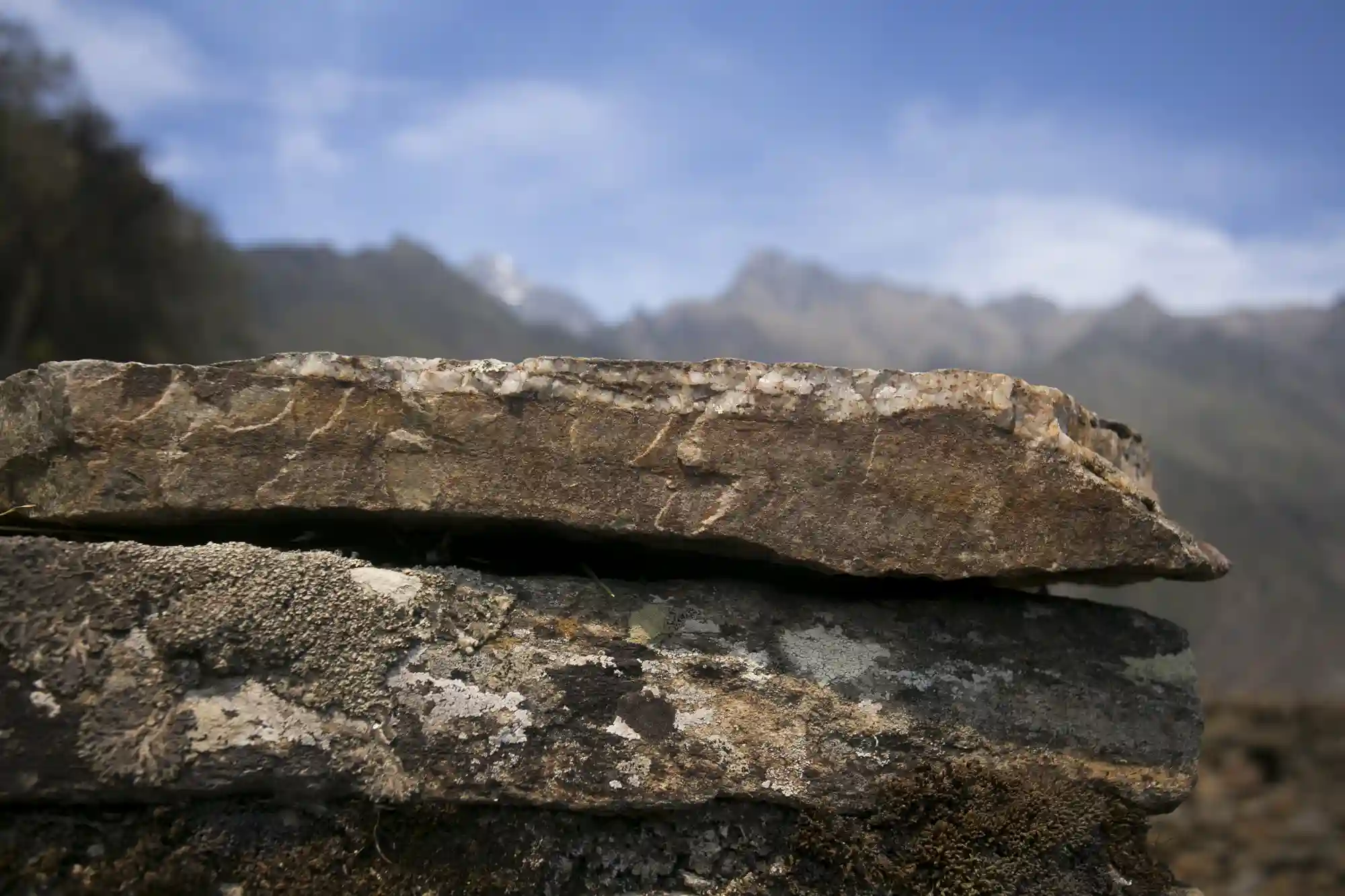
Preview canyon trails, Inca terraces, remote ruins and the vast landscape that makes Choquequirao one of Peru’s most rewarding trekking destinations.
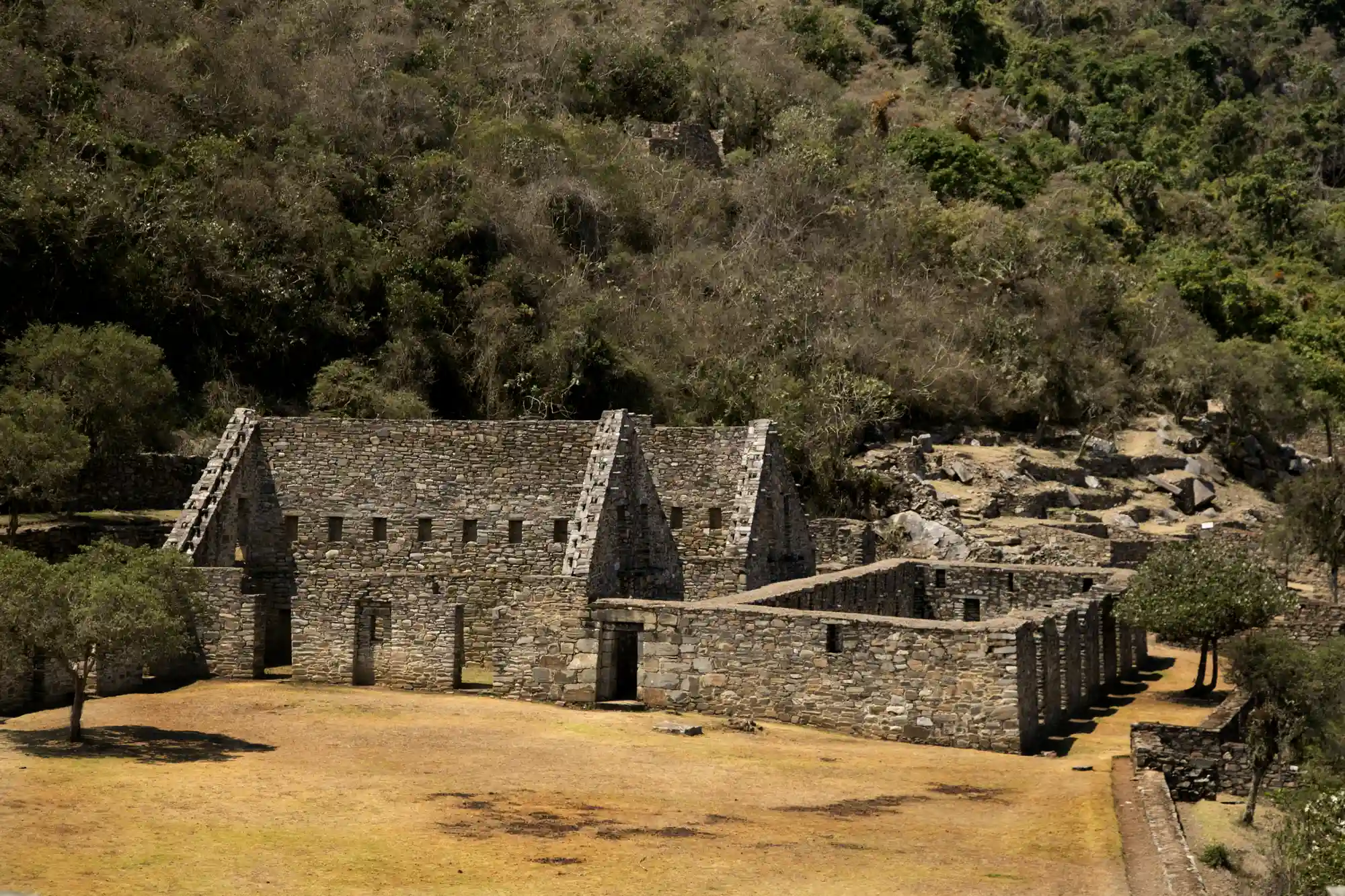
Understand difficulty, weather, route length and camping expectations before choosing Choquequirao. The route is magnificent, but it rewards preparation.
The Choquequirao Trek is considered a challenging multi-day hike because of its steep descents and long uphill sections. The difficulty comes less from extreme altitude and more from the amount of elevation you lose and regain each day. Travelers should be comfortable walking for several hours on mountain trails before choosing this trek.
The classic Choquequirao Trek is commonly completed in 4 days, although longer versions are available for travelers who prefer a slower pace or want to continue toward Machu Picchu. A longer itinerary can make the trek more comfortable and allows additional time to explore the archaeological complex.
Previous multi-day trekking experience is helpful but not always essential. Travelers in good physical condition who prepare beforehand can complete the trek successfully. However, Choquequirao should not be treated as an easy introduction to hiking because several sections involve sustained climbing and descending.
Begin preparing several weeks before your trip with regular walking, hiking, cycling, or cardiovascular exercise. Include hills or stairs whenever possible. Strengthening your legs and carrying a small backpack during training will help prepare your body for the repeated climbs and descents of the route.
The highest elevations vary slightly depending on the itinerary, but the route generally remains below the extreme elevations reached on treks such as Salkantay or Ausangate. Even so, travelers will experience significant altitude changes, and acclimatization in Cusco before departure remains important.
Yes. Spending at least two days in Cusco or another high-altitude location before beginning the trek is strongly recommended. This gives your body time to adapt and also allows you to evaluate how you respond to altitude before starting several days of strenuous hiking.
Expect several hours of hiking each day. Some days involve long downhill sections followed by significant climbs. Walking time depends on your pace, weather, trail conditions, and the exact itinerary, so travelers should focus more on being comfortable with full hiking days than on a specific number of hours.
The trail descends deeply into the Apurímac Canyon and then climbs toward Choquequirao. This creates substantial elevation gain and loss over relatively short distances. The return journey requires crossing much of the same terrain again, making endurance especially important.
Fit beginners can complete the trek, but it is better suited to travelers who already enjoy hiking and are prepared for physically demanding days. Someone who rarely exercises or has never completed a long hike should train before arriving in Peru.
The drier months generally provide more predictable trail conditions and clearer mountain views. During the wetter months, Choquequirao can still be visited, but hikers should expect more rain, mud, cloud cover, and potentially slower progress on the trail.
Yes, depending on local conditions, but additional preparation is necessary. Waterproof clothing, good hiking boots, backpack protection, and trekking poles become particularly useful. Heavy rainfall can occasionally affect trails and access roads, so some flexibility in your itinerary is advisable.
Bring layered clothing, a waterproof jacket, hiking shoes, sun protection, insect repellent, a reusable water bottle, personal medication, a headlamp, toiletries, and comfortable clothes for camp. Pack lightly because unnecessary weight becomes much more noticeable on steep climbs.
They are not mandatory, but they are strongly recommended. Trekking poles provide additional stability on steep descents and can reduce some of the strain on your knees during long downhill sections. They are also useful when trails are wet or uneven.
Yes. Lower and warmer sections of the route can have mosquitoes and other insects. Bring an effective insect repellent and consider wearing lightweight long sleeves and trousers, particularly around campsites and during warmer parts of the day.
Temperatures can vary considerably because the trek passes through different elevations and ecological zones. Days in the canyon can feel warm or hot, while mornings, evenings, and higher camps can be much cooler. Layering is therefore more useful than relying on one heavy piece of clothing.
Water sources and availability depend on the route and campsite. Tour operations normally organize drinking water or provide instructions for refilling safely. Travelers should always carry their own reusable bottle and follow the guide’s recommendations about where water can be consumed.
Facilities are basic compared with hotels. Toilets may be available at campsites or local stops, but standards vary considerably. Hot showers should not be expected every night, so carrying personal hygiene items and wet wipes can be useful.
Depending on the service and itinerary, horses or mules may be used to transport camping equipment and part of the passengers’ luggage. Travelers normally carry only a daypack containing water, rain protection, sun protection, snacks, camera equipment, and personal essentials.
Keep your daypack as light as possible. For most hikers, a 20–25 liter backpack is sufficient for water, extra layers, rain protection, sunscreen, insect repellent, snacks, valuables, and personal medication. Carrying unnecessary weight makes the steep climbs significantly harder.
A sleeping bag is normally required for camping itineraries. Depending on the tour service, it may be included, available to rent, or need to be brought by the traveler. Check this before departure and choose a sleeping bag appropriate for cool mountain nights.
Choquequirao generally receives far fewer visitors than Machu Picchu. One of the main reasons travelers choose this trek is the opportunity to experience a major Inca archaeological complex in a more remote mountain environment with considerably fewer people on the trail.
The amount of time depends on the itinerary. A well-planned trek should allow enough time to walk through the principal sectors of the archaeological complex rather than simply reaching the site and immediately leaving. Longer itineraries generally provide more flexibility for exploration.
Both are impressive Inca archaeological sites, but the experience is very different. Machu Picchu is easier to access and receives significantly more visitors, while Choquequirao requires a demanding trek through remote mountain terrain. Travelers often choose Choquequirao as much for the journey as for the archaeological site itself.
The trek can be completed safely when travelers are properly prepared and follow their guide’s instructions. The main challenges include steep terrain, altitude, heat in lower sections, changing weather, and physical fatigue. Good footwear, hydration, pacing, and appropriate preparation are important.
There is no single age that determines whether someone can complete the trek. Physical condition, hiking experience, motivation, and comfort with several consecutive days outdoors are more important. Families should carefully evaluate the difficulty before booking the trek with younger travelers.
Age alone is not necessarily a limitation. Active travelers who regularly hike and have good cardiovascular fitness may perform very well. Anyone with medical concerns or limited recent physical activity should discuss the demands of the trek with a medical professional before traveling.
Because Choquequirao is located in a remote area, leaving the trail is more complicated than on a standard day tour. If a traveler becomes unable to continue, the guide will assess the situation and organize the safest available option. This is one reason it is important to be realistic about your fitness before starting.
Both can work for experienced hikers, but footwear should provide good grip and already be broken in. Hiking boots offer additional ankle support and protection, while trail-running shoes are lighter. Avoid starting the trek with new footwear that you have never worn for long walks.
Carry a reasonable amount of Peruvian soles in small denominations. Remote communities may have small shops or services, but card payments should not be expected. Cash can also be useful for drinks, snacks, optional services, and gratuities.
For travelers who enjoy challenging hikes, archaeology, remote landscapes, and less crowded experiences, Choquequirao can be one of the most rewarding treks in Peru. The important point is to choose it for the right reasons: it requires considerably more physical effort than simply visiting an archaeological attraction by vehicle or train.
Before starting the Choquequirao Trek, spend at least two days in Cusco or another high-altitude destination. Although Choquequirao is not as high as some other Andean treks, the route involves long climbs and descents, and starting well acclimatized can make the first days much easier.
Flat walking alone is not enough preparation for Choquequirao. In the weeks before your trip, include hills, stairs, or treadmill incline sessions. The route involves repeated elevation changes, so training your legs for both climbing and descending is especially important.
Many travelers focus only on the uphill sections, but the long descents can be equally demanding on your knees and quadriceps. Practice controlled downhill walking before your trip and avoid rushing on steep sections of the trail.
Trekking poles are highly recommended for Choquequirao. They provide additional stability on steep or uneven terrain and can reduce strain on your knees during long descents. Adjustable poles are particularly useful because the terrain changes frequently.
Never begin the trek with brand-new hiking boots. Wear your footwear on several long walks beforehand to make sure there are no pressure points or areas likely to cause blisters. Good grip is more important than having the heaviest boot available.
Carry only the items you need during the hiking day. Water, rain protection, sunscreen, insect repellent, snacks, personal medication, camera equipment, and one warm layer are usually enough. Extra weight becomes much more noticeable on Choquequirao’s long climbs.
Mosquitoes and small biting insects can be a problem in the warmer and lower sections of the trail. Apply repellent before entering these areas and reapply it during the day, especially around exposed arms, legs, and ankles.
Large portions of the trail have limited shade, and the sun can be intense. Use high-SPF sunscreen, sunglasses, and a hat. Reapply sunscreen during the day rather than relying on a single application in the morning.
Do not try to match the fastest person in your group during the first hour. Begin at a comfortable pace and allow your body to warm up. A steady rhythm is generally more effective than walking quickly and needing frequent long breaks.
Drink small amounts throughout the day rather than waiting until you feel very thirsty. Long climbs, warm canyon temperatures, and dry mountain air can increase fluid loss without you noticing it immediately.
Electrolyte tablets or powder can be useful on particularly long or hot hiking days. They are lightweight and easy to add to your water bottle. They should complement regular hydration rather than replace drinking water.
Physical effort and altitude can reduce appetite for some travelers. Try to eat at scheduled meals and carry a small snack such as nuts, dried fruit, or an energy bar to maintain energy between stops.
Choquequirao passes through different elevations and climates. The canyon can be hot during the day, while mornings and evenings can feel cold. Dress in layers that can be removed and stored easily as temperatures change.
Do not pack your rain jacket at the bottom of your main luggage. Keep it inside your daypack where you can reach it quickly. Mountain weather can change rapidly, particularly during the wetter months.
Protect your passport, money, phone, batteries, and other sensitive items inside a waterproof pouch or dry bag. A backpack rain cover alone may not keep everything completely dry during sustained rain.
If you have a history of knee discomfort, Choquequirao deserves special consideration because of the amount of downhill hiking involved. Trekking poles, proper footwear, controlled pacing, and prior leg-strength training can make a significant difference.
Do not wait until a small irritation becomes painful. If you feel rubbing or a hot spot on your foot, stop and apply blister protection immediately. Carry a few blister patches or sports tape in your daypack.
Remote sections of the route do not have reliable card payment facilities. Bring small-denomination soles for drinks, snacks, local services, or other personal expenses. Do not depend on finding an ATM during the trek.
Leave some flexibility after returning from Choquequirao. Mountain roads, hiking pace, weather, or other local conditions can occasionally affect arrival times. Avoid booking a flight or other non-refundable connection for the same evening.
Do not wait until you are exhausted to mention dizziness, unusual fatigue, stomach problems, knee pain, blisters, or another issue. Early communication gives your guide more options to adjust your pace, rest periods, or support before the problem becomes more serious.
Choquequirao is not the right trek to choose simply because it is less crowded than Machu Picchu. You should be comfortable with several consecutive days of hiking and significant elevation changes. If your recent activity level is low, prepare before traveling or consider a longer itinerary with a more gradual pace.
A four-day itinerary is physically demanding because it compresses the route into long hiking days. Travelers who prefer additional time for rest, photography, archaeology, or slower hiking may benefit from choosing a longer version of the trek.
Whenever possible, avoid planning every day of your trip without any margin. Having one flexible day can be useful if transportation, weather, or trail conditions require adjustments.
Carry out your personal waste, stay on established trails, and avoid leaving plastic or other rubbish behind. Choquequirao remains a relatively remote trekking area, and keeping it clean depends heavily on responsible visitor behavior.
Choquequirao is not simply a destination at the end of a trail. The Apurímac Canyon, changing vegetation, mountain scenery, remote communities, and physical challenge are all part of the experience. Travelers who approach the trek this way usually appreciate it much more.
Choquequirao is often called a sister city to Machu Picchu, but the travel experience is completely different. There is no easy train arrival. The reward must be earned through canyon trails, hot valleys, camps and a final climb toward terraces and ceremonial sectors that feel suspended above the Apurimac.
Official cultural information describes multiple access routes and a vast protected archaeological landscape. The route is demanding, but that difficulty protects the atmosphere. For hikers who want fewer people and more expedition feeling, Choquequirao is one of the strongest stories in Peru.
Best for experienced walkers, fit travelers, photographers and people who prefer remote archaeology over comfort-first tourism.
Packing for Choquequirao is different from packing for many other treks around Cusco. The route involves major changes in elevation and environment: the archaeological park is around 3,500 m, while the wider area descends toward much warmer tropical valleys associated with the Apurímac Canyon.
This means you should prepare for heat, strong sun, insects, long descents, sustained climbs, cooler evenings, rain, and several days with limited access to normal travel services.
The goal is not to carry more equipment. It is to carry the right equipment.
If your trekking service transports your main camping equipment and overnight luggage, there is little reason to carry a 40–50 liter backpack yourself.
A 20–25 liter daypack is usually much more practical.
Look for:
The important detail is accessibility. You should not need to unpack your entire backpack every time you need sunscreen, repellent, water, or your rain jacket.
For Choquequirao, traction is important, but toe space is equally important.
Long descents push your feet toward the front of your shoes. Footwear that feels perfectly comfortable on flat ground can cause painful pressure on your toes after several hours of descending.
Before traveling, test your shoes by walking downhill or down long flights of stairs, not only on flat streets.
Your toes should not repeatedly hit the front of the shoe.
Avoid bringing new hiking boots directly from the store to the trek.
This is a small item that can solve a surprisingly large problem.
Keep one dry pair of hiking socks inside your daypack, even if the rest of your clothing is transported separately.
If your socks become soaked from rain, sweat, or a stream crossing, changing them can significantly reduce friction and discomfort.
Use merino wool or synthetic hiking socks rather than thick cotton socks.
Do not wait until a blister has fully developed.
Carry:
The moment you feel a hot spot, rubbing, or burning sensation, stop and protect it.
Five minutes dealing with a hot spot early can prevent several uncomfortable days of walking.
For Choquequirao, trekking poles are particularly useful because the access routes involve substantial descending and climbing through the Apurímac Canyon. The official cultural authority describes the Cachora access as a horse trail descending into the canyon before continuing toward the archaeological complex.
Using two poles gives you better balance than using only one and distributes some of the work across your upper body.
A useful technique is to slightly lengthen the poles for extended descents and shorten them for climbing.
Do not leave them packed with your transported luggage. You will need them during the hiking day.
Travelers sometimes pack shorts because they expect warm temperatures inside the canyon.
The problem is that the lower and warmer environments can also expose you to biting insects.
Lightweight, breathable hiking pants provide sun protection and reduce exposed skin without becoming excessively hot.
The CDC also recommends long pants and long-sleeved clothing as part of protection against mosquitoes and other biting insects.
Convertible hiking pants are especially practical because you can adapt them to changing temperatures.
This is one item where it is worth checking the active ingredient, not just the brand name.
Look for an effective repellent containing ingredients such as:
The CDC recommends registered repellents containing these active ingredients and notes that the effectiveness of some non-registered “natural” alternatives is unknown.
Apply sunscreen first and insect repellent afterward.
Keep the repellent in your daypack rather than in your main luggage.
Travelers who react strongly to insect bites may want more protection than repellent alone.
The CDC recommends 0.5% permethrin-treated clothing and gear as an additional method of protection against biting insects. Permethrin is used on clothing and equipment, not directly on the skin.
Trousers, socks, boots, and outer layers can be purchased pre-treated or treated according to the manufacturer’s instructions before traveling.
This can be particularly useful on a multi-day route where repellent must otherwise be repeatedly applied.
A thin long-sleeved trekking shirt can be more comfortable than constantly applying sunscreen to your arms.
Choose something:
You will experience very different temperatures as you move between the canyon and higher sections of the route, so avoid thick clothing that cannot be easily layered.
Keep one shirt, underwear, socks, and a warm layer completely dry for camp.
Do not use this clothing for hiking.
After several hours of rain or sweating, being able to change into something completely dry at camp has far more value than bringing several extra hiking outfits.
Store this set in its own waterproof bag.
Avoid filling your backpack with one enormous winter jacket.
The Choquequirao environment changes significantly with elevation, so a layering system works better.
A practical combination is:
Base layer → lightweight fleece → insulating layer → waterproof shell
You can then remove individual layers as the temperature rises.
MINCETUR describes the broader Choquequirao environment as ranging between high Andean conditions and much hotter tropical valleys, which explains why adaptable clothing is particularly useful here.
The warm sections of the canyon can make you sweat considerably more than you expect from a “mountain trek.”
Carry individual electrolyte tablets or sachets rather than a large container.
They weigh almost nothing and are easy to divide between trekking days.
They are particularly useful after long climbs or hot hiking sections, although they do not replace regular water intake.
After several days, many hikers become tired of sweet bars.
Bring a mixture of:
The important point is variety.
Also remember that the Dirección Desconcentrada de Cultura Cusco currently prohibits entering the archaeological site itself with food, so organize your snack stops before entering the monumental area and follow your guide’s instructions.
Do not plan to use your smartphone flashlight as your main light source.
A headlamp keeps both hands free when:
Keep it in the same pocket every day.
Before starting the trek, check the batteries rather than simply confirming that the lamp turns on.
Do not plan your electronics around the assumption that you will recharge every evening.
Carry enough portable power for the devices you genuinely need.
For most travelers:
10,000 mAh is reasonable for conservative phone use.
20,000 mAh is more practical if you frequently record video, use GPS, or take large numbers of photographs.
Keep your phone in airplane mode when you do not need connectivity. Continuously searching for a weak signal wastes battery.
This sounds trivial until you are packing multiple electronic devices.
Bring one short, reliable cable rather than several long cables that become tangled inside your backpack.
Check before leaving Cusco that the cable actually charges your device.
A damaged charging cable is much harder to replace once you are on the trekking route.
Do not assume toilet paper will always be available exactly when you need it.
Carry your own small roll or folded supply.
Put it inside a zip bag.
Wet toilet paper is not very useful.
Bring several lightweight zip bags or small rubbish bags.
They are useful for:
Separating dirty or wet items also prevents the rest of your backpack from becoming unpleasant.
After hours of descending and climbing, removing your hiking shoes at camp feels much better than most first-time trekkers expect.
Bring lightweight sandals or simple camp shoes.
Avoid bringing heavy sneakers as your second pair; they take up too much space for something you may only wear for an hour or two each evening.
Essential medication should remain in your daypack, not in luggage transported separately.
Carry enough for the entire trek plus a small reserve.
Do not put medication you may need during the day somewhere you cannot access until camp.
This is worth knowing before carrying expensive equipment through several days of trekking.
The Dirección Desconcentrada de Cultura Cusco states that drone flights inside Choquequirao require authorization.
If you do not already have the appropriate authorization, carrying a drone purely to film the archaeological complex may mean carrying unnecessary weight for the entire trek.
Another detail many travelers do not know in advance: current site rules prohibit entering the archaeological area with food.
Do not arrive at the entrance starving with your planned lunch still inside your backpack.
Coordinate meal and snack timing with your guide before entering the site
Most hikers prepare by walking uphill, but Choquequirao also includes long and demanding descents. Downhill sections place significant stress on the quadriceps, knees, and toes. Include stairs, downhill hiking, or controlled step-down exercises in your training so your legs are prepared for both directions.
Being able to complete one long hike does not necessarily mean you are ready for a multi-day trek. Before traveling, try doing two or three moderately long walks on consecutive days. This helps you understand how your body performs when your legs are already tired from the previous day.
Shoes that feel comfortable on flat ground can become painful during long descents. Test your footwear on stairs or a steep downhill trail before coming to Peru. If your toes repeatedly touch the front of the shoe, the fit is not ideal for Choquequirao.
Choquequirao places more repetitive load on the knees than many travelers expect. Exercises such as slow squats, step-downs, lunges, and controlled stair descents can help strengthen the muscles that stabilize the knee. Start gradually rather than beginning intense training immediately before traveling.
Complete some training walks carrying approximately the same amount of weight you expect to carry during the trek. A backpack that feels light for 20 minutes may become uncomfortable after several hours. This also gives you time to adjust the shoulder straps, hip belt, and chest strap correctly.
Even if you normally exercise regularly, avoid starting the trek immediately after arriving from sea level. Spend a few days in Cusco first and use that time for easier activities. Fitness and acclimatization are different things; being physically strong does not automatically mean your body is adapted to altitude.
Do not spend all your acclimatization time sitting in your hotel. Take a moderate walk around Cusco and pay attention to how you feel while climbing stairs or hills. This gives you a much better indication of your response to altitude before committing to several days on a remote trail.
Do not try to gain extra fitness by exercising aggressively just before the trek. Arriving with sore muscles or a minor injury is worse than arriving slightly less trained. Reduce training intensity during the final few days and focus on recovery.
Long descents can push your toes repeatedly against the front of your shoes. Toenails that are too long can become painful or damaged. Trim them several days beforehand rather than immediately before departure, especially if you are prone to sensitive skin around the nails.
Do not wait until the first steep descent to figure out your poles. Practice adjusting their length and walking with both poles before traveling. Slightly longer poles are generally more comfortable for descents, while shorter poles can work better during climbs.
Pay attention to exactly where your shoes rub your feet. If the same area repeatedly becomes warm or irritated, solve the issue before Peru by changing socks, adjusting lacing, adding an insole, or using protective tape. Knowing your personal blister-prone areas is extremely useful on a multi-day trek.
During long downhill sections, a heel-lock or runner’s-knot style of lacing can help keep your heel more secure and reduce your foot sliding forward inside the shoe. Practice the technique before the trek rather than experimenting when your toes already hurt.
Prepare one complete dry set of clothes and place it in a waterproof bag before the trek begins. Do not use those clothes during the hiking day. Having guaranteed dry clothing at camp can make a major difference after rain or heavy sweating.
Multi-day treks often involve early mornings. If you normally sleep very late, gradually move your bedtime and wake-up time earlier during the days before departure. This is more effective than trying to sleep several hours earlier only on the night before the trek.
The evening before departure is not the best time to try unfamiliar street food, extremely spicy dishes, or large amounts of rich food. Gastrointestinal problems are much more difficult to manage on a remote trail than in Cusco.
Do not choose snacks only because they are marketed for athletes. Bring foods you already enjoy eating while exercising. After several hours of hiking, an unfamiliar energy gel or an overly sweet protein bar may be the last thing you want.
Some travelers unintentionally drink very little because they only drink during major rest stops. During your training hikes, practice taking small amounts of water regularly. This habit is easier to maintain when it already feels natural.
Long flights, alcohol, air conditioning, and irregular meals can leave travelers mildly dehydrated before they even arrive in Cusco. Begin paying attention to hydration during your journey to Peru, not only on the morning the trek starts.
Put everything you intend to carry inside your backpack, install the rain cover, and simulate rain with a shower or garden hose. You may discover that water still reaches certain pockets or enters near the shoulder straps. Important items should have an additional waterproof layer inside the backpack.
Do not assume you will always have a mobile signal. Before departure, save important phone numbers, insurance information, passport copies, booking details, and any information you may need offline. Screenshots are often more useful than relying on websites or email access.
A phone searching continuously for mobile service can drain its battery surprisingly quickly. In remote areas, switching to airplane mode when you do not need connectivity can preserve battery for photographs, emergency information, and later communication.
Do not simply pack a power bank and assume it is charged. Fully charge it, test the cable, and verify that it actually charges your phone. Faulty cables and partially charged batteries are common problems that are difficult to solve once you are already on the trail.
Do not keep your passport, all your cash, bank cards, and phone accessories together in one pouch. If that pouch becomes wet or misplaced, you lose everything at once. Separate critical items into at least two secure locations.
Do not expect remote stops to have change for large notes. Prepare smaller Peruvian sol bills before leaving the city. This is much more practical for small purchases or local services along the route.
A previous knee, ankle, back, or hip injury may not bother you during normal travel but can become relevant after several hours of steep hiking. Mention it before departure so your guide understands your situation before a problem develops.
The first hiking hours are not the moment to prove how fast you can walk. Starting too quickly can create unnecessary fatigue that affects the rest of the day. Establish a sustainable pace early and keep enough energy for the final climbs.
During training, notice what normal breathlessness, muscle fatigue, and recovery feel like for you. This makes it easier during the trek to recognize when something feels genuinely unusual rather than simply difficult.
Keep some flexibility after Choquequirao. The route is remote, and hiking speed, weather, road conditions, or logistical changes can affect the final return time. Avoid placing an international flight or another difficult-to-change connection immediately after the expected finish.
Before departure, separate everything you genuinely need from the rest of your travel luggage. Large toiletries, laptops, extra shoes, heavy camera accessories, and clothing for other parts of Peru should remain at your hotel or luggage storage rather than traveling unnecessarily toward the trail.
One of the psychological challenges of Choquequirao is that some sections can feel long and repetitive. Instead of focusing constantly on the final destination, divide the hike into smaller objectives: the next rest point, the next hour, or the next section of trail. This approach can make demanding climbs feel much more manageable.
Do not assume that returning through familiar terrain will automatically feel easier. A descent from the previous day may become a substantial climb in the opposite direction. Save energy throughout the trek instead of mentally treating the return as the easy part.
Having completed a difficult trek several years ago does not necessarily reflect your current condition. Evaluate how active you have been in the last few months. Choquequirao rewards current preparation much more than old hiking experience.
Choquequirao is a remote multi-day trek, so availability depends on more than simply having space in a vehicle. A departure may require coordination of the guide, transportation, camping equipment, cooks, horses or mules, food supplies, and local logistics.
For that reason, it is better to confirm this trek several days in advance rather than expecting guaranteed last-minute availability.
Shared departures may require a minimum number of confirmed passengers.
If you are traveling alone, this does not necessarily mean you cannot join the trek. We can check whether another departure already has travelers booked around your preferred date.
Travelers with flexible dates usually have a better chance of joining an existing group.
If you are traveling alone and want a group service, send us two or three possible departure dates whenever possible.
For example, instead of requesting only June 15, letting us know that you can depart between June 14 and June 17 gives us more options to place you with an existing group.
This can also help you avoid the additional cost of arranging a private departure.
A private Choquequirao Trek can usually be organized with greater flexibility because the departure does not depend on other travelers joining the group.
This is often the best option for:
Private departures still require logistical preparation, so advance booking is recommended.
Unlike some city tours, waiting until the last moment does not necessarily produce a better price for Choquequirao.
The operation has to organize staff, transportation, food, animals, and camping equipment. A last-minute private departure may actually be more difficult or expensive to arrange.
If you already know your travel dates, there is usually little advantage in waiting.
The drier months are generally the most popular for trekking around Cusco because trail and weather conditions tend to be more favorable.
During busy periods, guides, transportation, and trekking crews can become more heavily booked.
If you are planning Choquequirao during the main trekking season, especially with a private group, booking earlier gives us more time to organize the operation properly.
Choquequirao can be trekked during much of the year, but wet-season conditions can affect the experience considerably.
Heavy rain may result in:
A departure being available does not necessarily mean trail conditions will be ideal.
Travelers visiting during wetter months should keep some flexibility in their Peru itinerary.
The classic Choquequirao Trek 4 Days involves a relatively demanding schedule.
Because several operational elements must be coordinated before departure, booking only the evening before is not recommended.
If you have a fixed departure date, contact us before arriving in Cusco whenever possible.
Longer versions of Choquequirao require additional food, camping logistics, staff coordination, and sometimes different transportation arrangements.
If you are considering an itinerary that continues beyond Choquequirao rather than returning by the standard route, confirm availability earlier than you would for the classic trek.
This is particularly important for travelers planning a trek that continues toward Machu Picchu.
Choquequirao trekking availability and Machu Picchu entrance availability are not the same thing.
We may be able to organize the trekking portion while your preferred Machu Picchu entrance circuit or time is already unavailable.
For this type of itinerary, contact us as early as possible so both parts can be checked before you confirm your travel plans.
For itineraries that include Machu Picchu, the trekking crew may still be available even when the preferred Machu Picchu entrance is not.
If Machu Picchu is an essential part of your itinerary, do not book international flights around the trek before checking entrance availability.
This is especially important for travelers with very specific dates.
Availability is not the only factor when deciding when to depart.
If you arrive in Cusco from sea level, it may be better to choose a trek departing two or three days later rather than taking the earliest available departure.
A slightly later departure can give you valuable time to acclimatize and prepare.