S

We were a group of four girls, all 24 years old! It was an incredible experience! Genrri was an excellent guide, and our chef, Ricardo, was fantastic; he prepared vegetarian lunch and dinner for us every day. I highly recommend it!

 4.8/5
342 reviews
4.8/5
342 reviewsHigh Andean trekking to Machu Picchu through Humantay Lake, Salkantay Pass and cloud forest trails.
Salkantay is the route for travelers who want the drama of the Andes before arriving at Machu Picchu: glacial valleys, turquoise lakes, coffee country, warm cloud forest and a final approach to the Inca citadel. It is less regulated than the Classic Inca Trail, but it still demands respect for altitude, weather and pacing.
Salkantay Treks are built around contrast: the sacred Apu Salkantay, the turquoise color of Humantay Lake, the thin air of the high pass and the warm green descent toward Machu Picchu. In a few days, travelers move from alpine scenery above 4,000 meters to subtropical valleys where coffee, orchids and fruit trees begin to replace the snowline.
This destination works especially well for adventurous travelers who missed Inca Trail permits, prefer open landscapes over stone stairways, or want a more flexible trekking program. The experience can be done as a full 5-day expedition, a compact 4-day route, a faster 3-day challenge, or as shorter high-altitude experiences focused on Humantay Lake and Salkantay Pass.
View our Tripadvisor page
Read recent experiences from travelers who booked with our local team and shared how the service, organization, and on-trip support felt in real situations. These reviews help future passengers understand what to expect before choosing their tour.
We were a group of four girls, all 24 years old! It was an incredible experience! Genrri was an excellent guide, and our chef, Ricardo, was fantastic; he prepared vegetarian lunch and dinner for us every day. I highly recommend it!
We did the 4 day and 3 night Salkantay Trek on the 27th of July, and it was honestly one of the highlights of our trip. I couldn't recommend it enough, especially with Machu Picchu Teams.Everything exceeded our expectations from the accommodation and food to the organisation and most importantly, the amazing staff. Our guide Max made the experience so special. He taught us so much about the Quechua way of life and Inca traditions at every stop along the trek, which gave us such a good appreciation for the places we were visiting. He was also so much fun to be around, always making us laugh and keeping everyone's spirits high, even during the toughest parts of the hike. His positivity, encouragement and knowledge really made the experience unforgettable.A huge thank you as well to our chefs, especially Braulio, the head chef. We genuinely couldn't believe the quality of the food considering where we were. Every meal was so fresh and delicious and they had lots of vegetarian options too. We were given three generous meals a day which also included starters at lunch and dinner, plus snacks along the way. It was far beyond anything we expected on a trek.What really sets this company apart is the people. Max wasn't just a guide he genuinely cared about everyone in the group and always made sure we were doing okay. He knew exactly when to encourage us on the harder climbs, when to make us laugh, and when to stop to tell us another story about the history and culture of the area. He gave us a group name and gathered us every morning to do a chant together to get us ready for the day. You can tell he loves what he does and his passion made the whole trek so much more meaningful.The entire team was so kind and welcoming, and they made us feel looked after from start to finish. If you're thinking of doing the Salkantay Trek, I couldn't recommend Machu Picchu Teams more. It was an unforgettable experience, and we're so grateful to everyone who made it so special.
This tour is full of adventures and blessings. The exciting bicycle descent from the Andes took us through changing landscapes to the tropical rainforest. The hike through the jungle, led by an expert guide, allowed us to learn about the local flora and fauna. The RAFTING and ZIPLINING activities added excitement to the trip and were perfectly organized. The natural hot springs were an ideal place to relax after days full of activities. The visit to Machu Picchu was the highlight, with its impressive architecture and view. I highly recommend this tour to anyone looking for a combination of adventure, nature, and culture.
Had an amazing time, super well organized, nice people, and Nacho, the guide is amazing (and very funny) !!!❤️
I had an amazing time doing the Salkantay trek with Machu pichu teams! Especially Nacho who was an incredible guide for our group, always making sure we were all having a good time, having fun and looking after us from the start to the end. Big thanks to the whole team :)
Use these criteria to match the Salkantay route to your available days, fitness level and preferred level of comfort. The strongest choice is not always the longest trek; it is the itinerary that gives you enough time to acclimatize, enjoy the scenery and arrive at Machu Picchu with energy.
Choose 5 days for the classic mountain-to-jungle rhythm, 4 days for a compact expedition, 3 days for a faster challenge, or 1-2 days for Humantay Lake and Salkantay Pass highlights.
1 Day – 2 Days – 3 Days – 4/5 Days
The high pass is the key challenge. The walking is not technical, but altitude, cold mornings and long descents make preparation important.
Moderate – Challenging – High Altitude
Expect glacial mountains, turquoise lakes, puna grasslands, cloud forest, coffee valleys and the final approach to Machu Picchu.
Humantay – Salkantay Pass – Cloud Forest
Salkantay does not use the same limited Inca Trail permit system, but Machu Picchu entrance still needs planning.
Flexible Trek – Fixed Machu Picchu Entry
Great for active couples, solo hikers, friends and travelers who want a cinematic route rather than a simple transfer.
Adventure Travelers – Hikers – Nature Lovers
Dry season from May to September usually gives clearer mountain views, while shoulder months can feel quieter but less predictable.
May – September – Shoulder Months
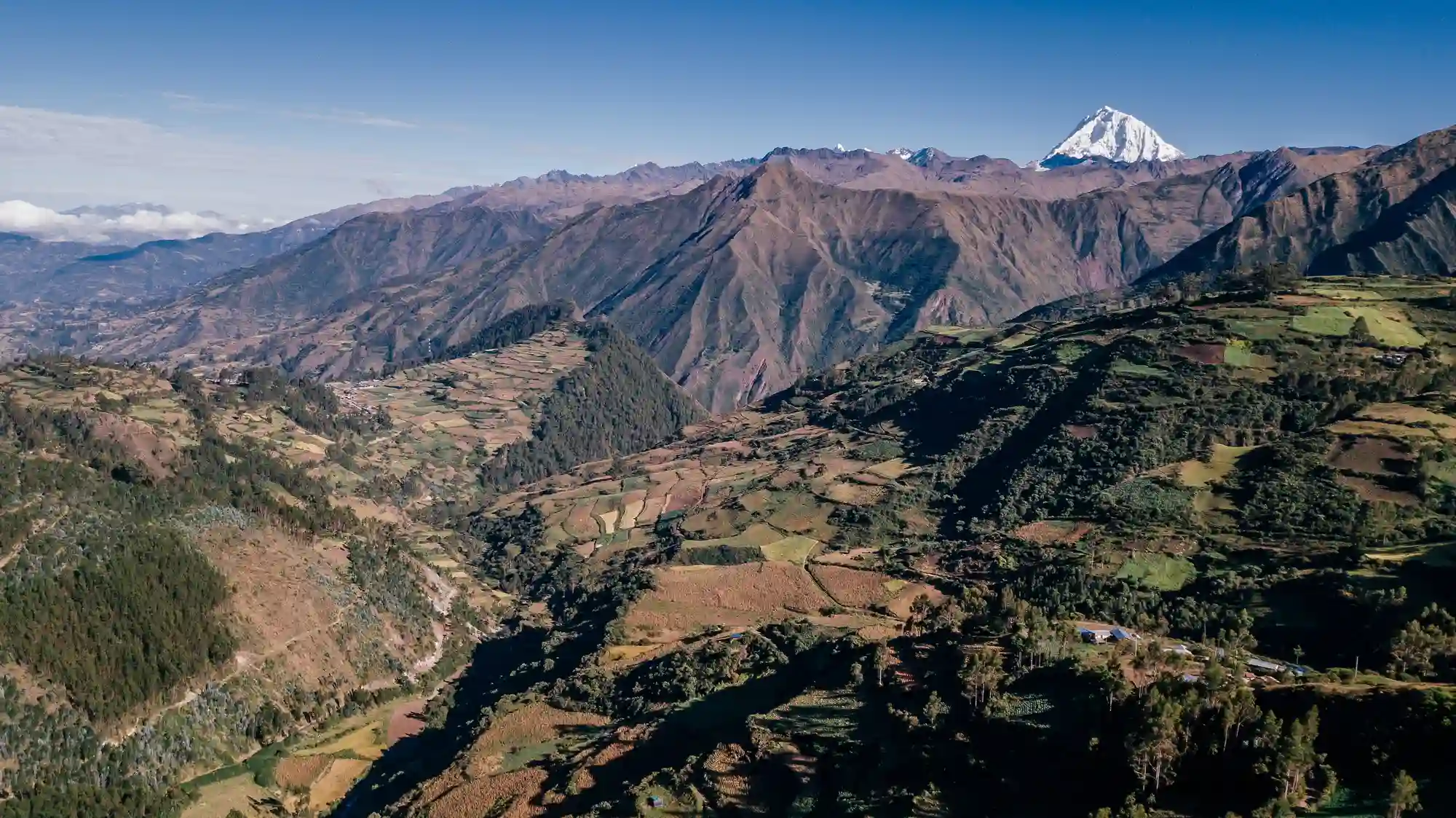
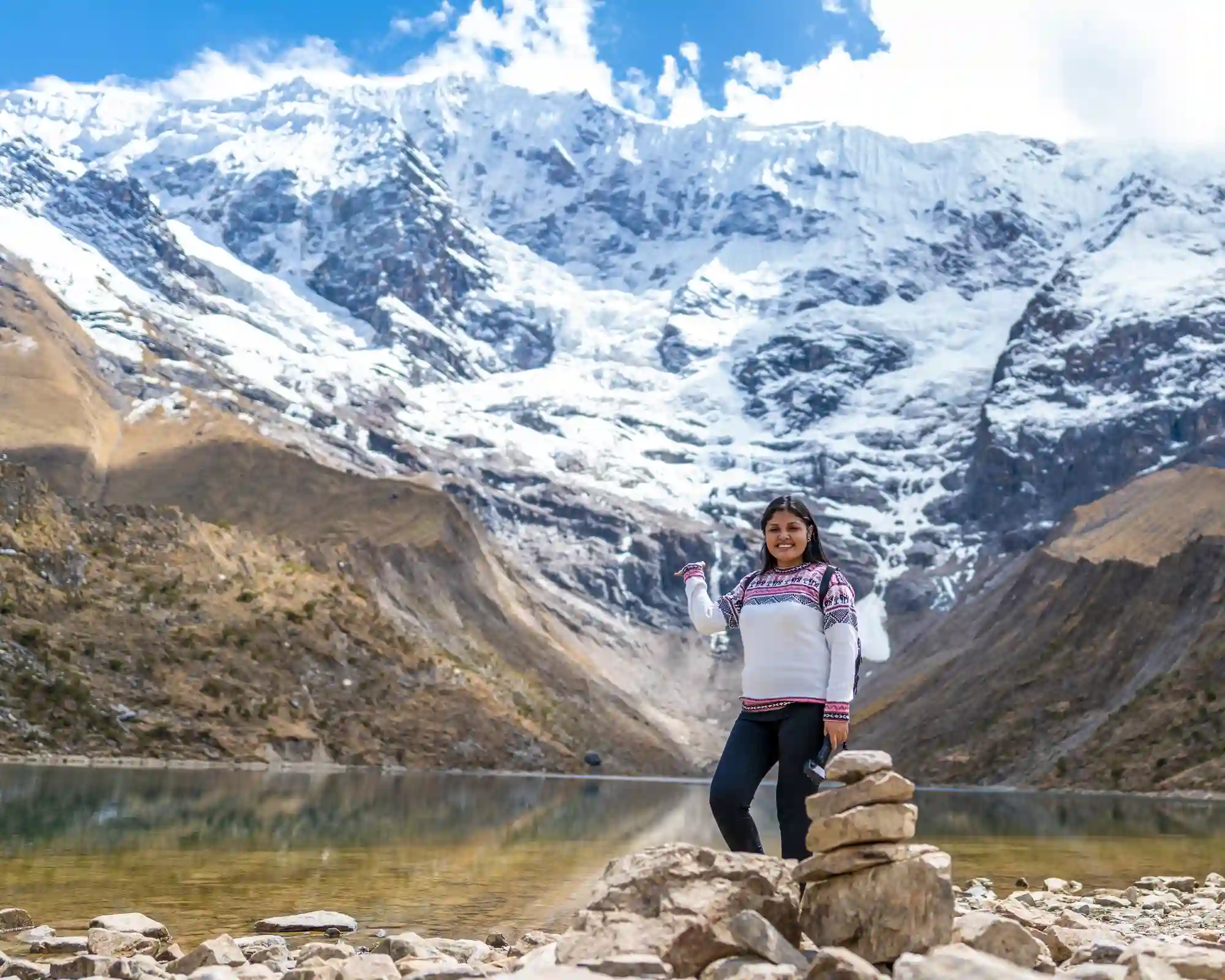
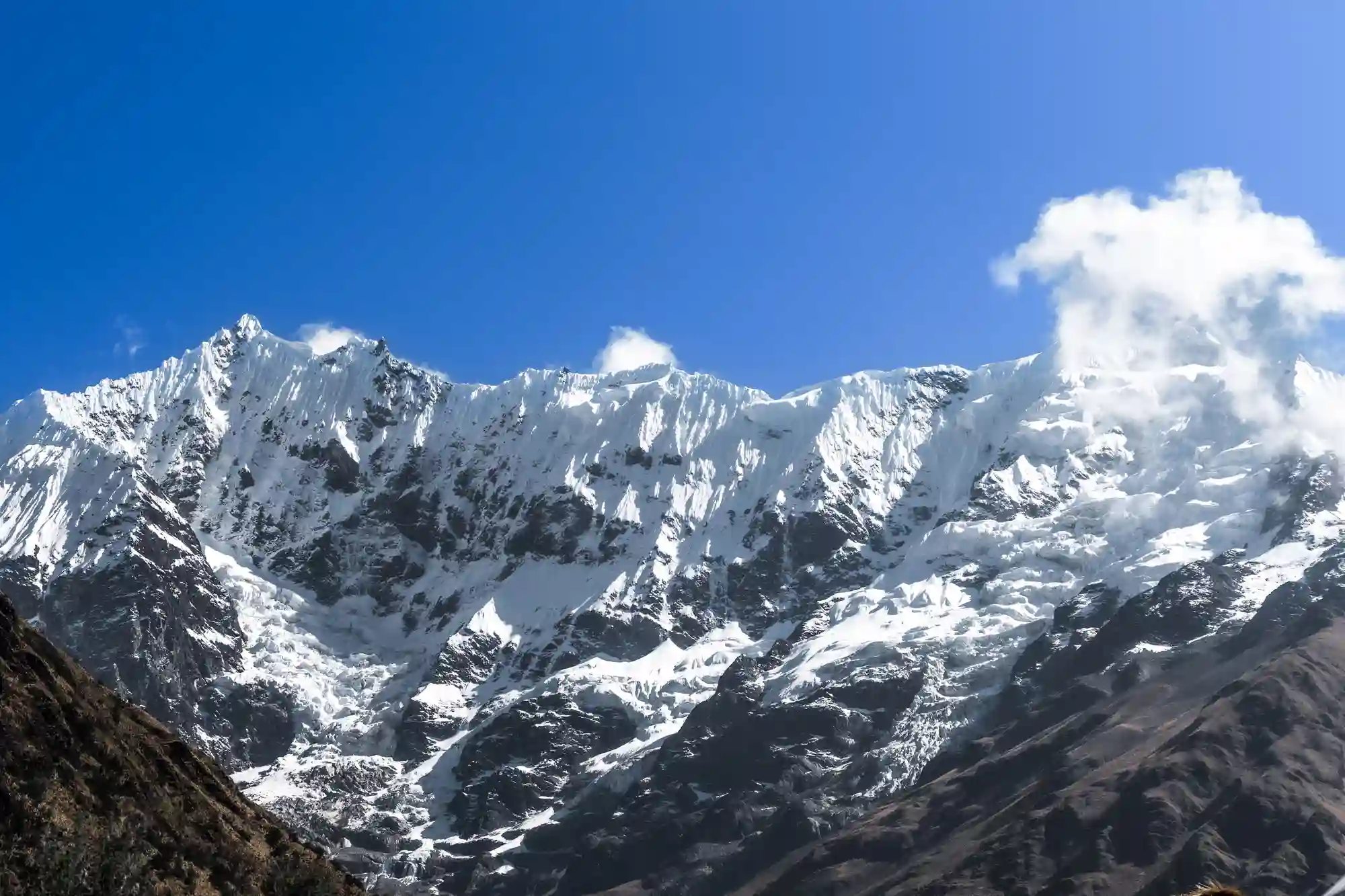
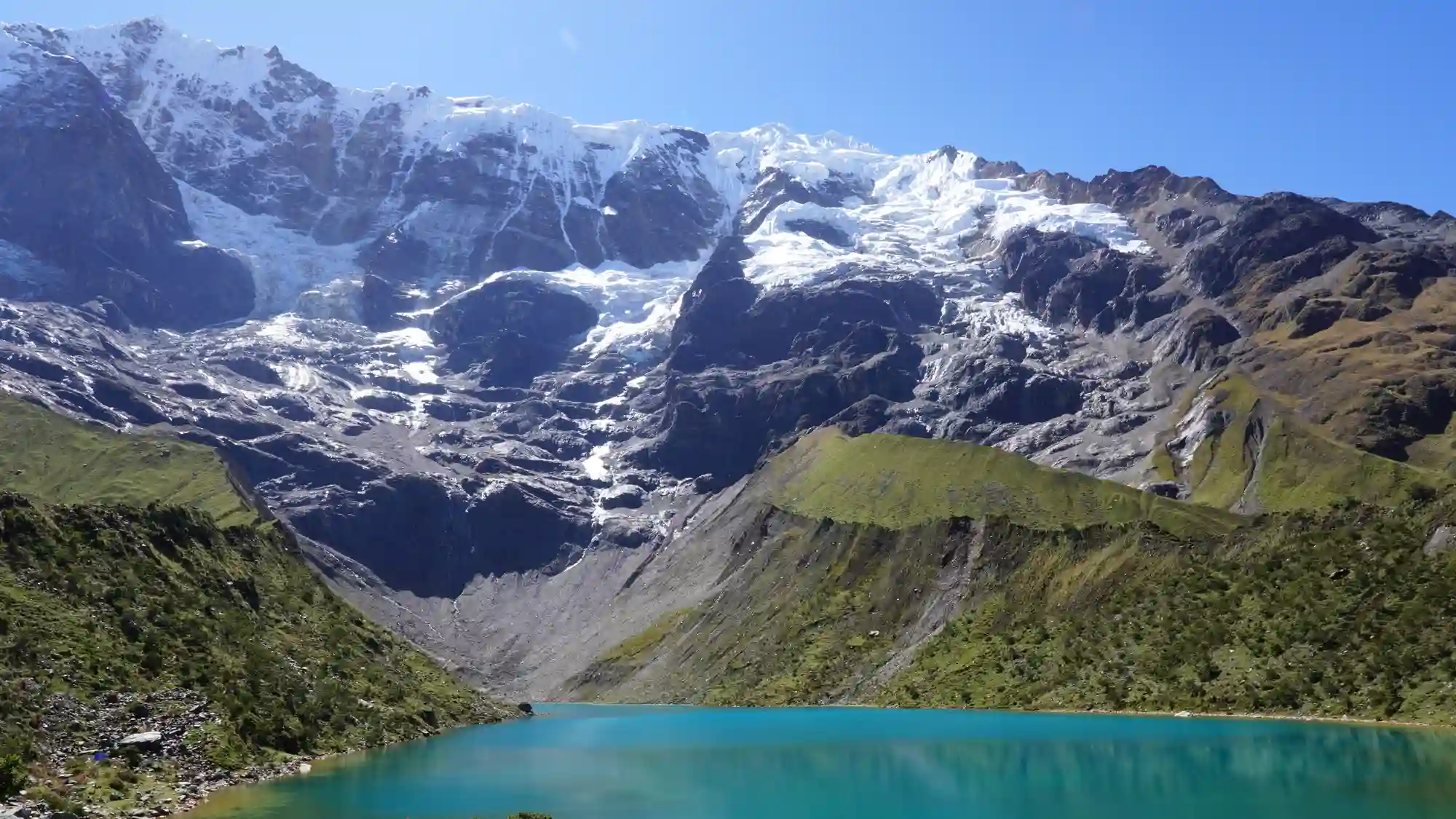
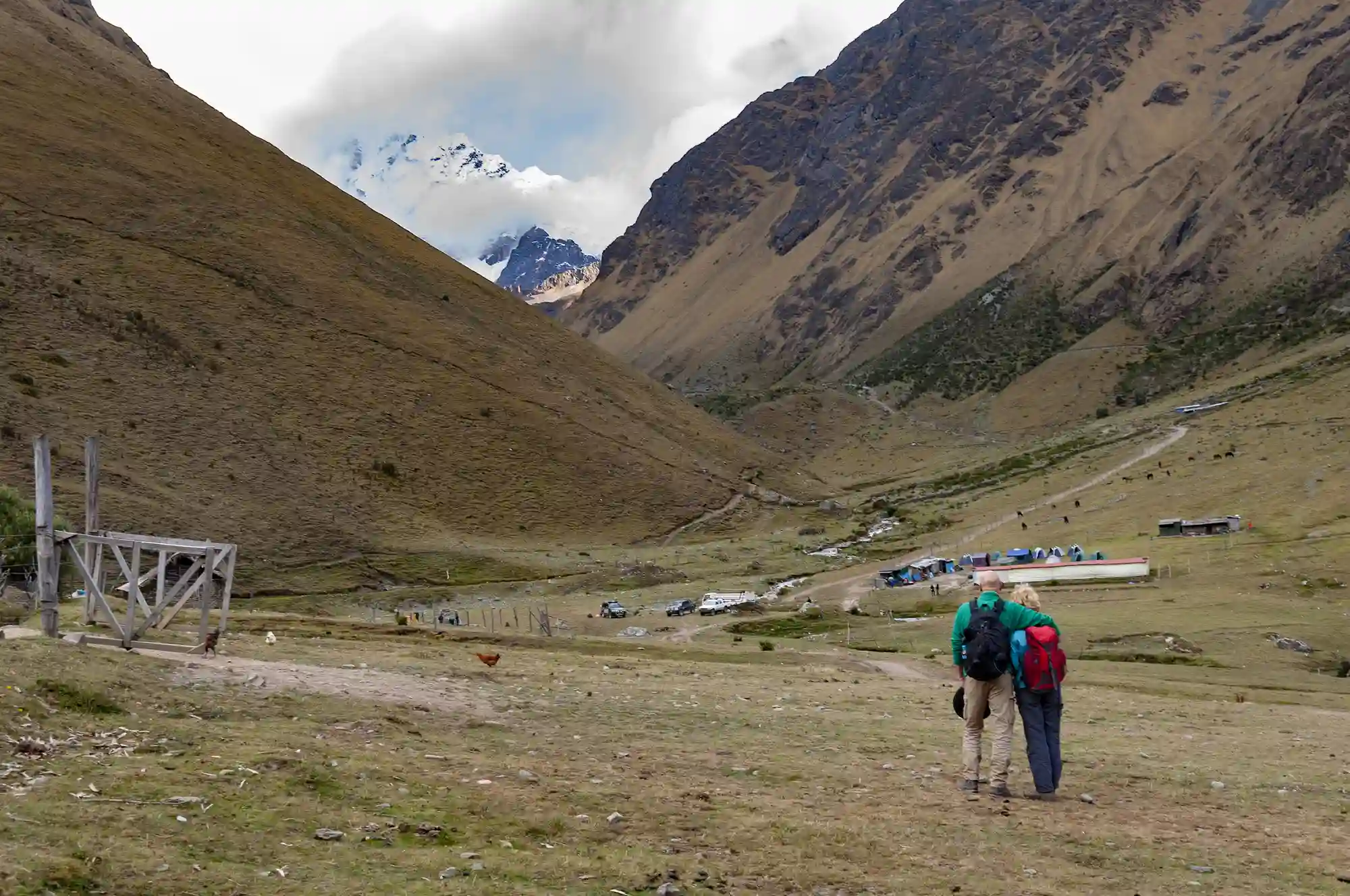
Start with the routes that define the destination: the classic 5-day Salkantay Trek, the compact 4-day version and shorter options for travelers with limited time. These tours highlight the best of the mountain corridor while still ending with Machu Picchu as the reward.
The magic of Salkantay is the speed of the transformation. One morning you are standing below an ice-covered Apu; by the next stage, the air is warmer, vegetation grows thicker and the route begins to feel like the edge of the Amazon.
Not every traveler needs the full expedition. Humantay Lake is a powerful one-day option, the 2-day Salkantay Pass route gives a real high-mountain experience, and Llactapata adds a less common viewpoint toward Machu Picchu.
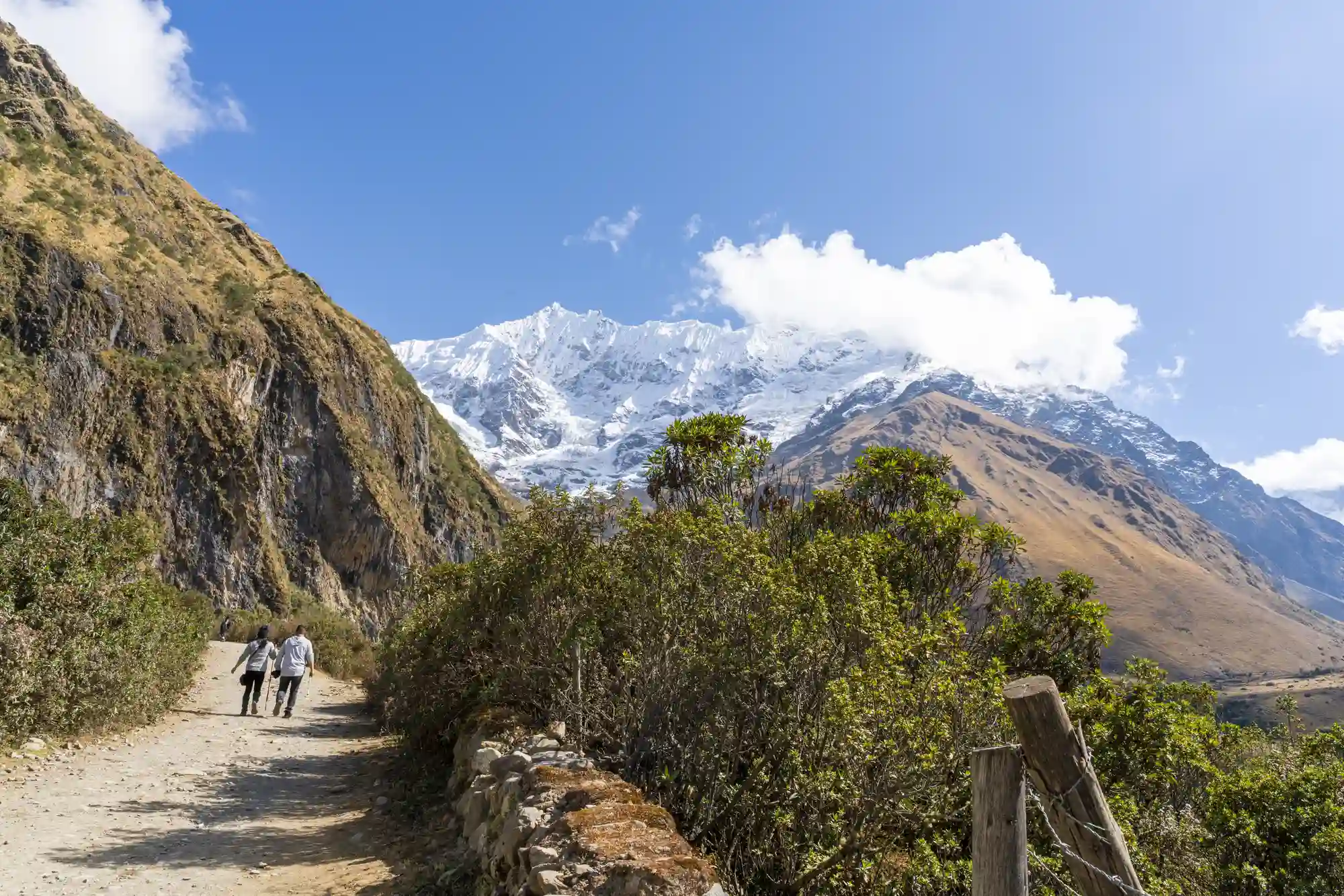
A successful Salkantay trek depends on rhythm. If your itinerary is tight, choose a shorter route. If you want the full emotional arc of the mountain, give yourself enough days to walk, recover and enjoy the final visit to Machu Picchu.
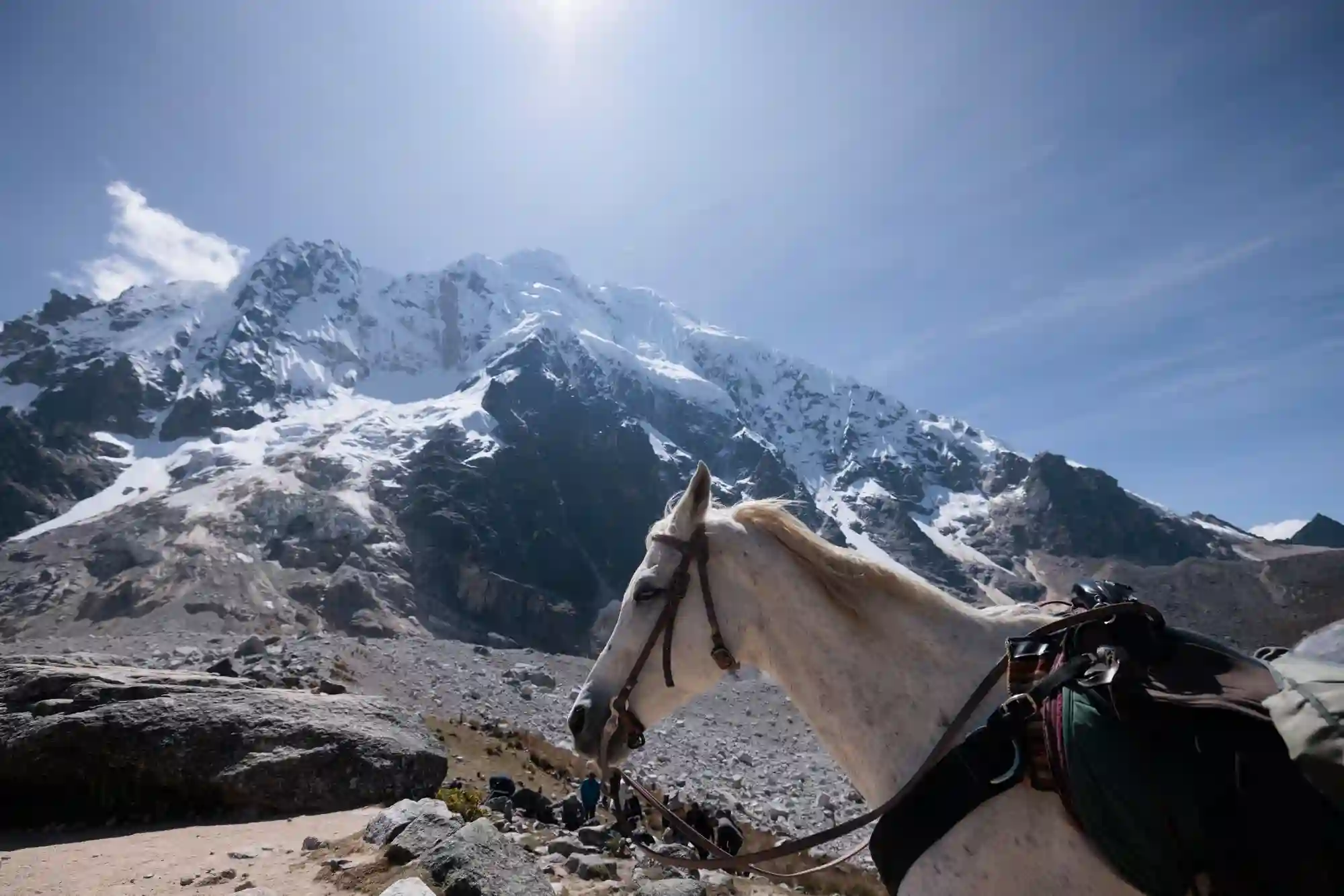
Salkantay is ideal for customization because travelers can adjust duration, walking intensity, service style and accommodation expectations. The route can feel rugged, premium, fast or slow depending on how it is planned.
Use this group if you want to compare a full trek with shorter high-altitude highlights, or if your Machu Picchu dates need to fit around train, hotel or entrance availability.
Tell us your available dates, fitness level and comfort expectations. We can recommend the version that gives you the best scenery without overloading the itinerary.
 Featured Tour
The Salkantay Trek 5 Days to Machu Picchu is a multi-day route that combines high-altitude trekking, cultural visits, and varied landscapes across...
 Special Promo
Discover one of Peru’s most iconic trekking routes with the Salkantay Trek 4 Days to Machu Picchu, a high-impact adventure designed for...
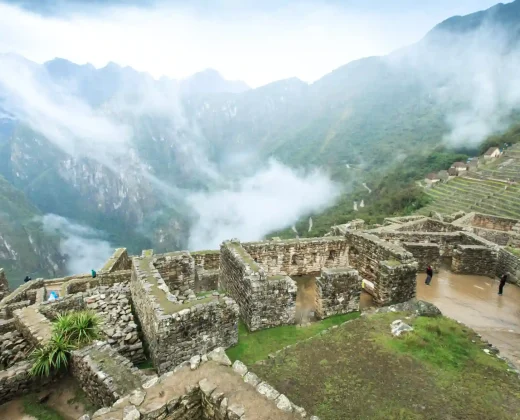 Seasson Offer
The Salkantay Trek 3 Days to Machu Picchu is designed for travelers with prior hiking experience or those seeking a shorter itinerary...
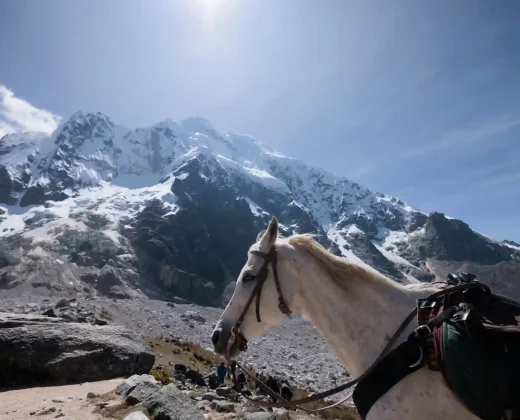 Great Discount
The Salkantay Pass Trek 2 Days is the perfect adventure for travelers looking to explore the Peruvian Andes in a short time...
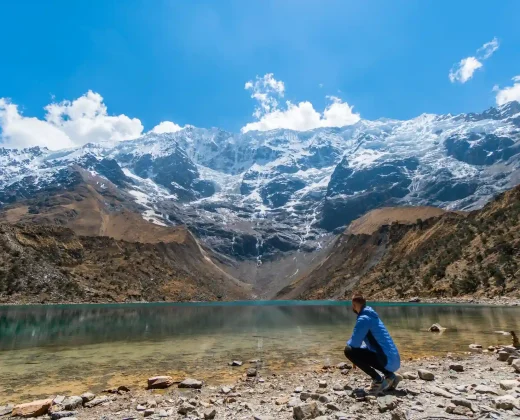 Featured Tour
Humantay Lake is one of the most spectacular natural destinations in the Peruvian Andes and a must-visit for travelers seeking breathtaking scenery...
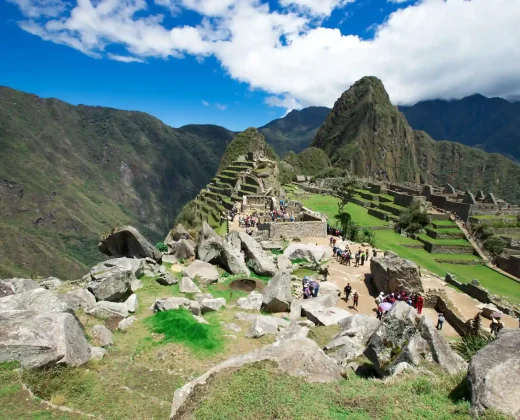 Featured Tour
Llactapata Trek 3 Days to Machu Picchu – A Unique Adventure Experience The Llactapata Trek 3 Days to Machu Picchu is one...
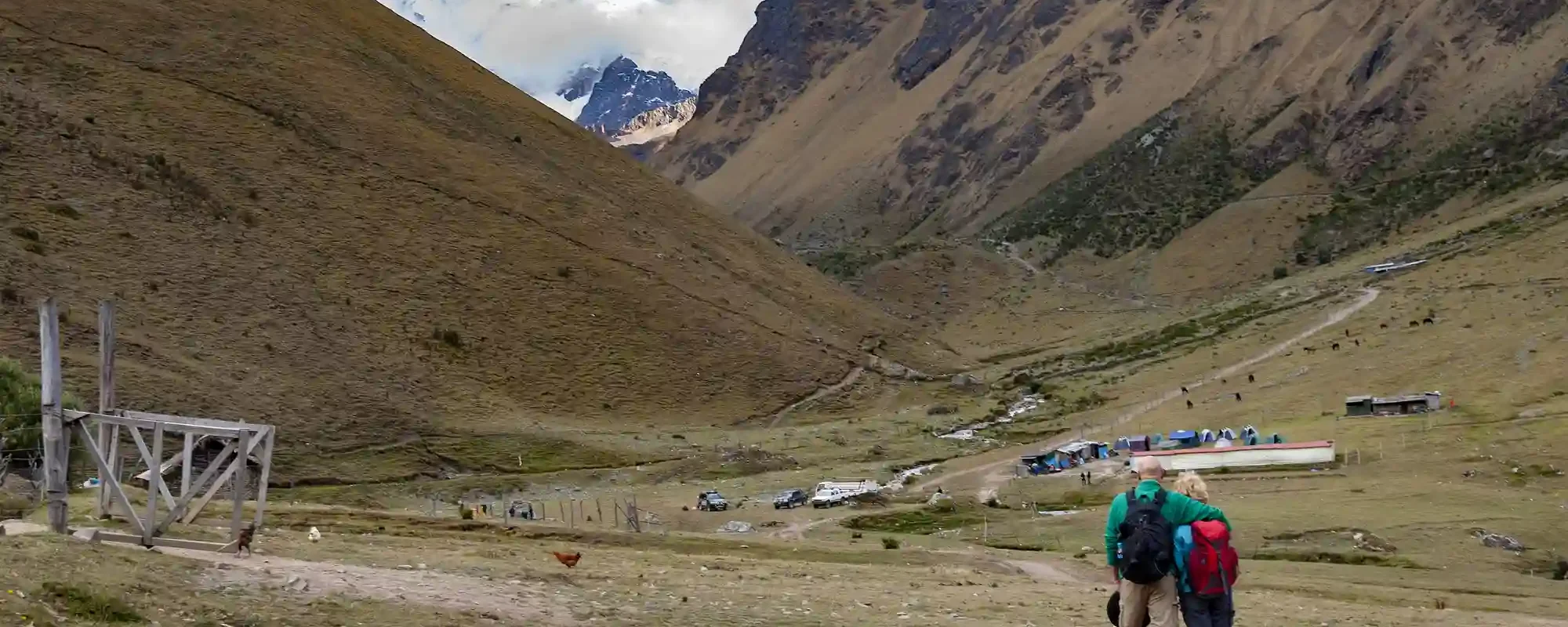
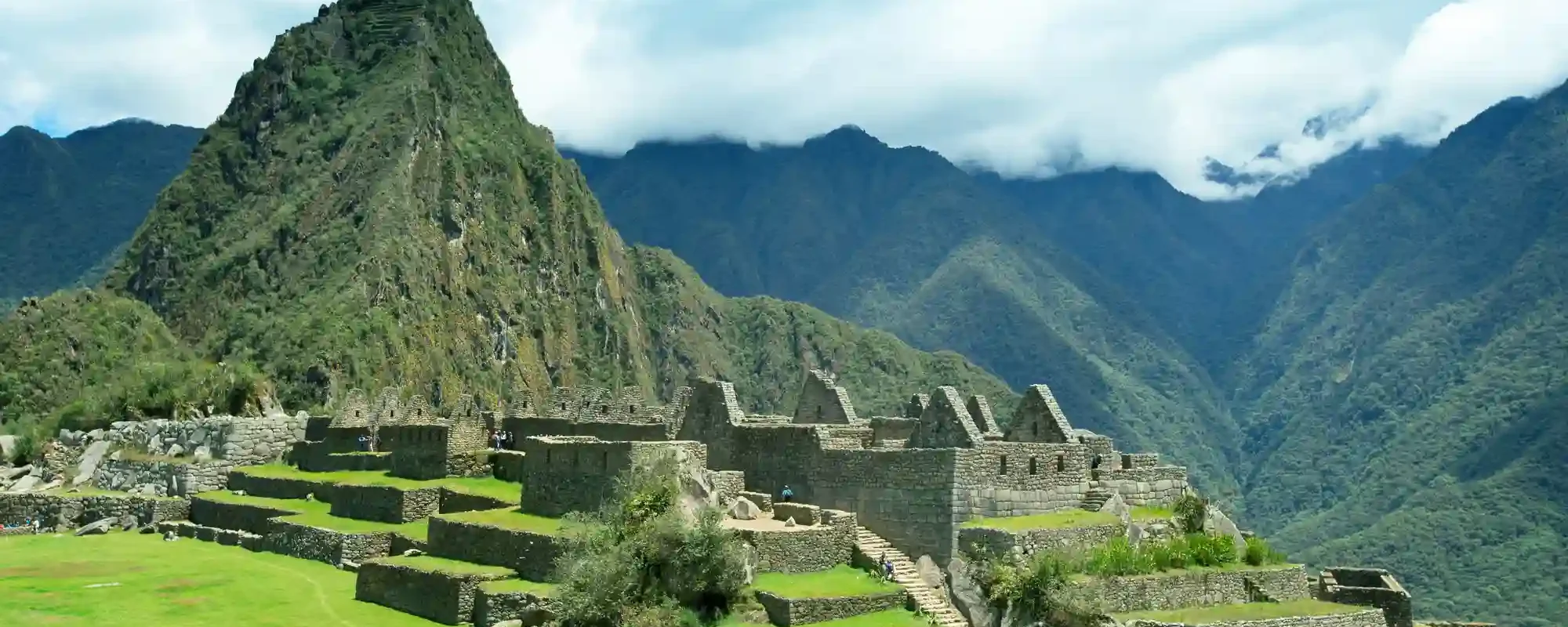
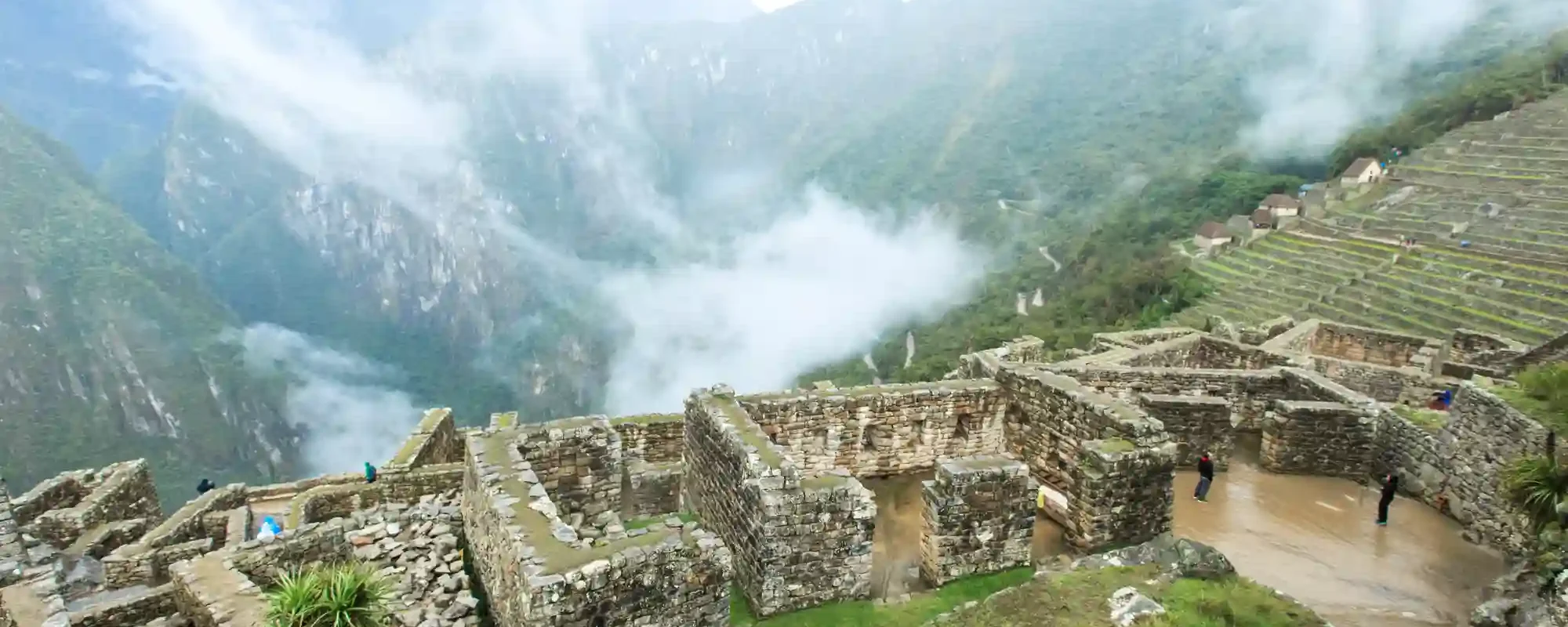
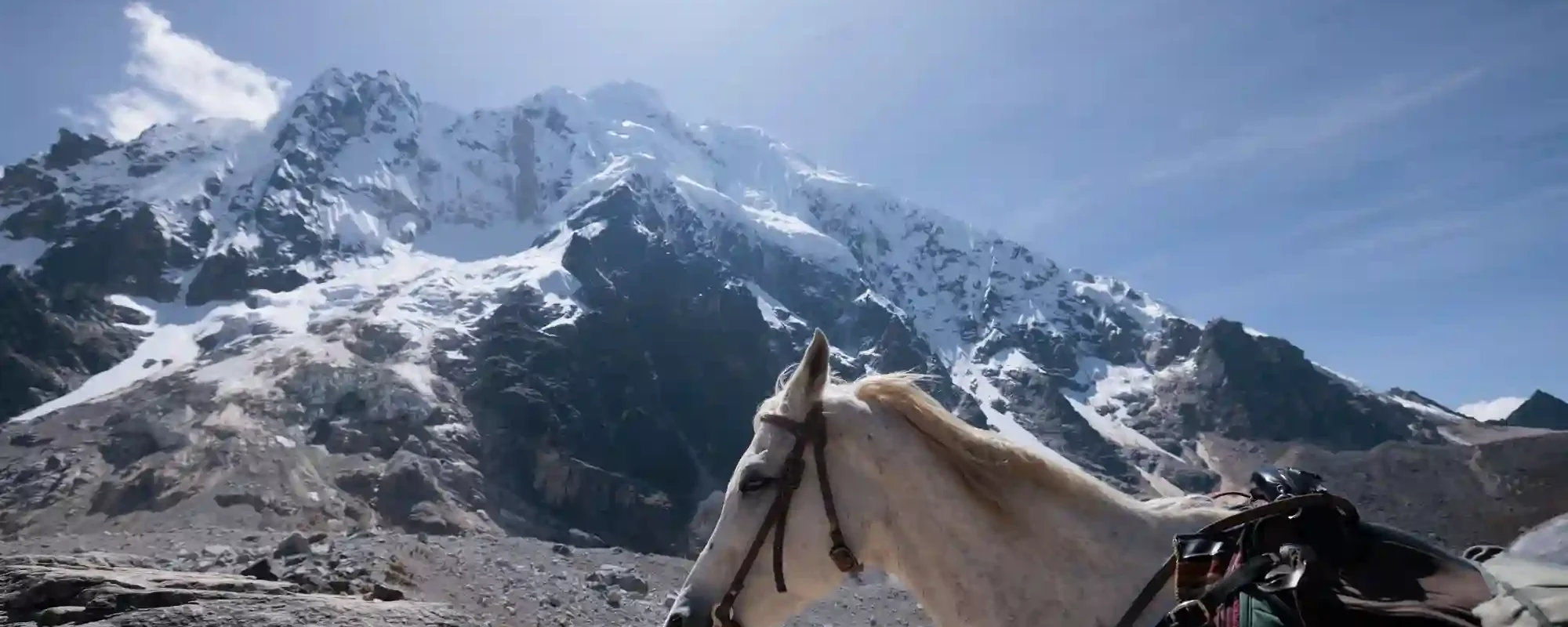
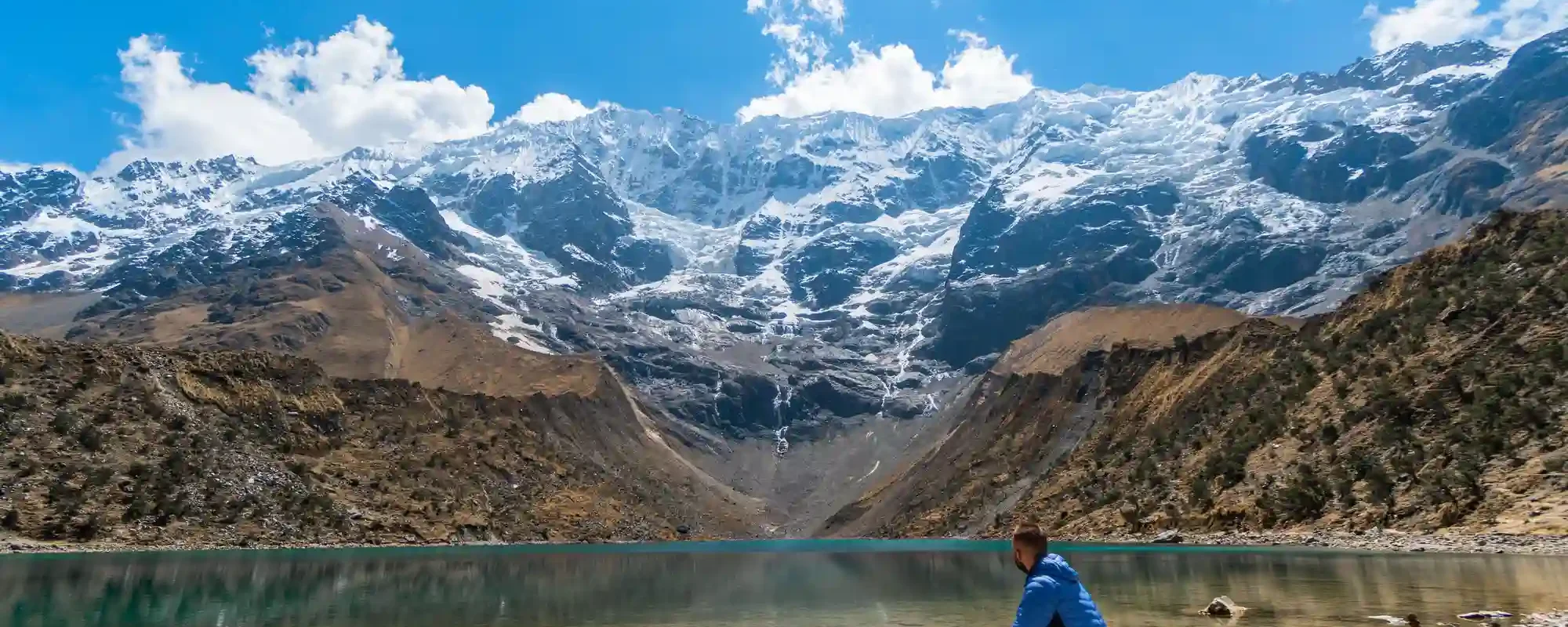
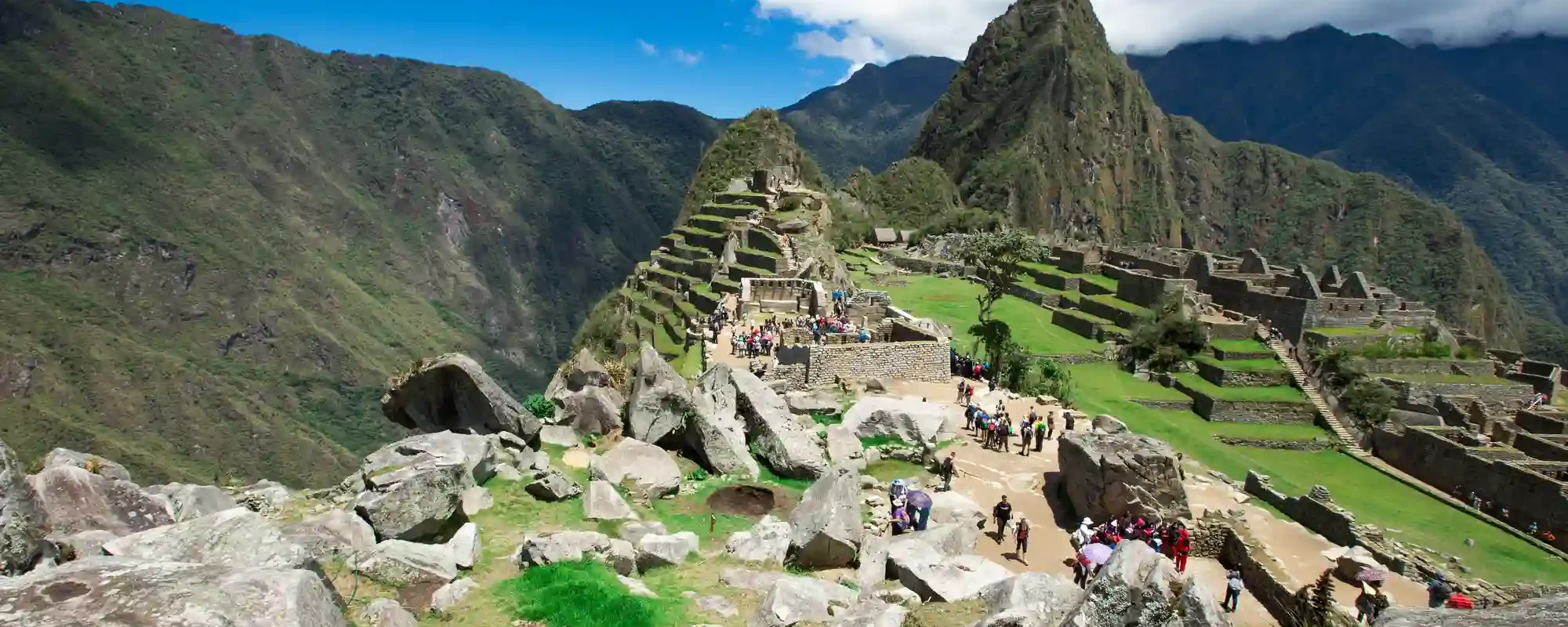
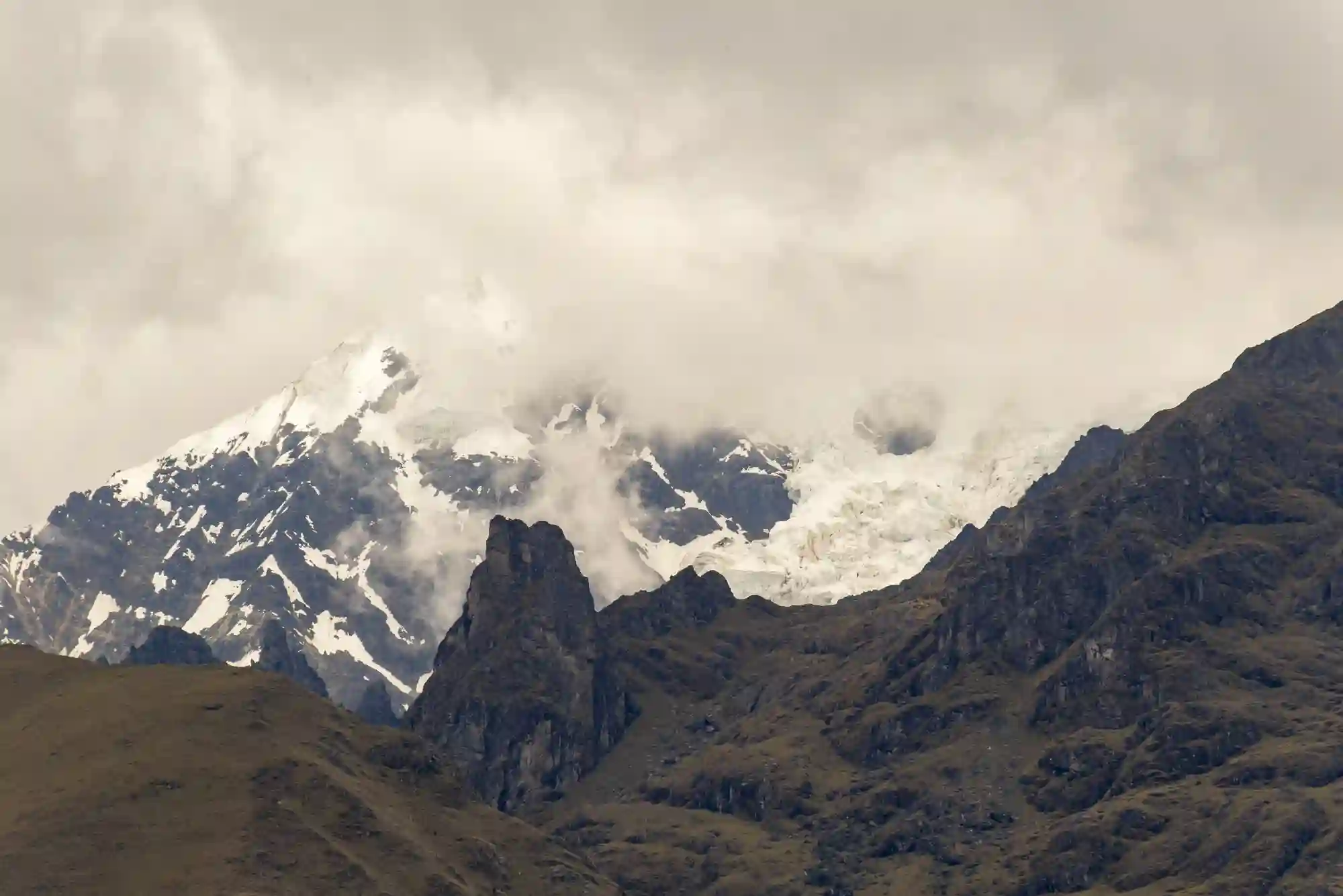
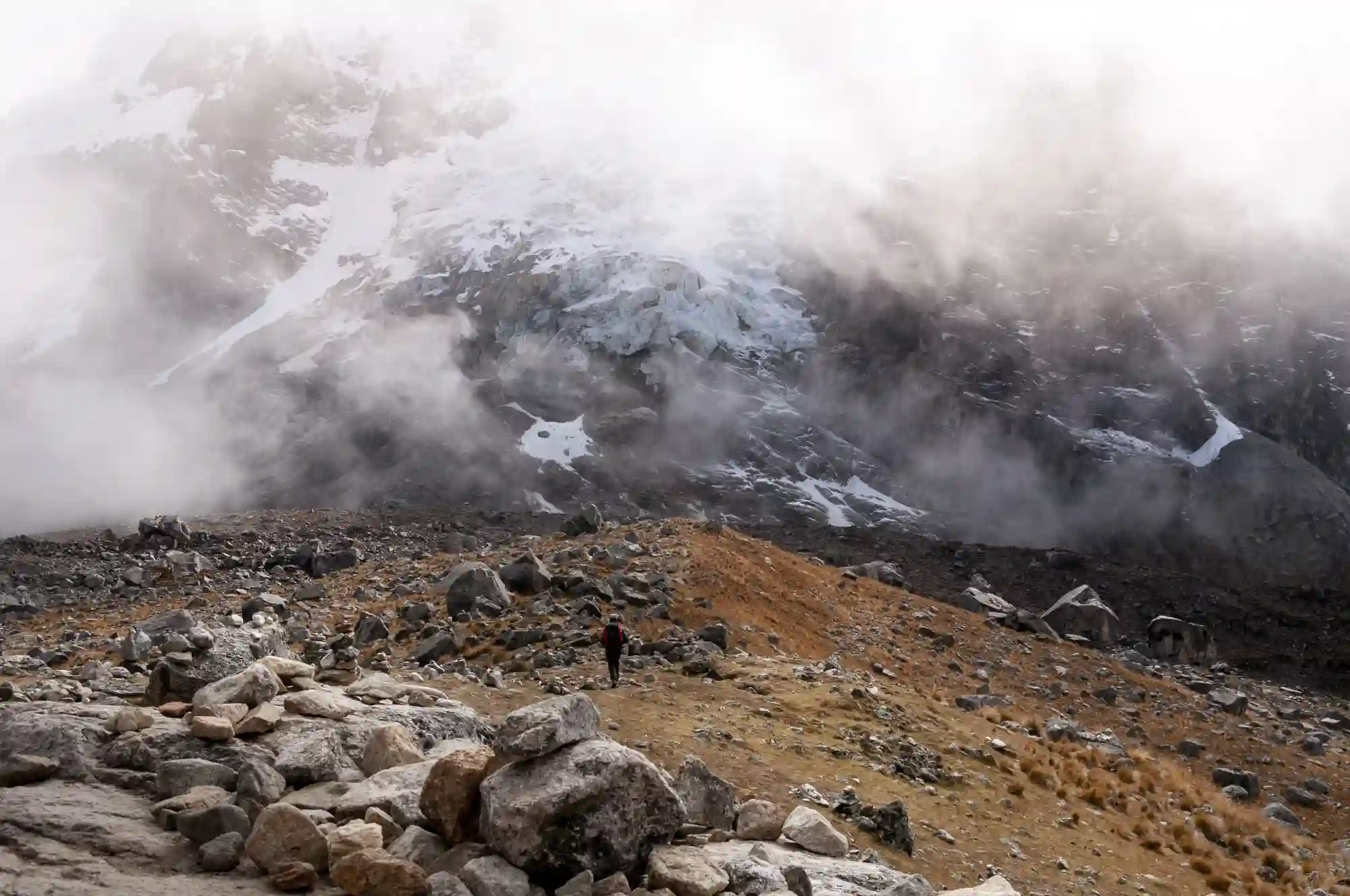
A visual preview of the route: snow peaks, Humantay Lake, Soraypampa, high passes, mule trails and the changing landscape that makes this trek one of the most memorable alternatives to Machu Picchu.
Review difficulty, packing, seasonality and route style before choosing your Salkantay itinerary. The right preparation turns a demanding mountain trek into a confident and rewarding journey.
The main challenge is the combination of high altitude, several consecutive hiking days, cold mornings, and long ascents and descents, rather than technical mountaineering. The Salkantay Pass is around 4,600 m above sea level, so even travelers who regularly hike at lower elevations usually move considerably slower there. Peru’s Ministry of Environment also references the Salkantay Pass at approximately 4,600 m.
Travelers arriving directly from sea level should ideally spend at least two full days in Cusco before departure, and additional time can be beneficial. Cusco itself is already around 3,350 m. The CDC recommends gradual acclimatization and only mild exercise during the first 48 hours at altitude.
If you arrive in Cusco in the afternoon and leave for Salkantay the following morning, that should not really be considered an acclimatization day.
No. This surprises many travelers. Excellent cardiovascular fitness can make the hiking itself easier, but physical fitness does not reduce your susceptibility to acute mountain sickness. The CDC specifically notes that training and physical fitness do not determine altitude-illness risk.
A marathon runner arriving directly from sea level can therefore have more altitude problems than a moderately fit traveler who has acclimatized properly.
A mild headache can occur at altitude, but a headache accompanied by nausea, dizziness, unusual fatigue, or loss of appetite may indicate acute mountain sickness. Symptoms that worsen rather than improve should be reported to your guide immediately.
Confusion, difficulty walking normally, unusual drowsiness, or breathlessness while resting are much more serious warning signs and require urgent action rather than simply “pushing through.”
The 4-day version compresses more hiking and transportation into a shorter period, making it better suited to travelers with limited time who already have good hiking fitness.
The 5-day itinerary is generally the better choice for travelers who want more recovery time and a less compressed experience. If you are uncertain about your endurance, choosing the longer itinerary is usually more sensible than trying to save one day.
No. Many travelers mentally prepare for the pass and assume everything afterward will be easy.
After crossing the highest section, there are still long descents and multiple days of walking. Descending can be particularly tiring for the knees, quadriceps, and toes. Save energy for the entire trek instead of treating the pass as the finish line.
Horse assistance may be available on certain sections depending on the itinerary and local operation, but travelers should not begin the trek assuming that a horse will always be immediately available whenever they become tired.
Animals also do not solve altitude illness. If symptoms suggest a medical problem, the correct decision may be to stop ascending or descend rather than simply riding higher.
Interrupted sleep at altitude is common and does not automatically mean something is seriously wrong. The CDC notes that above roughly 2,700 m, periodic breathing and frequent awakenings become common and often improve as acclimatization develops.
However, poor sleep combined with worsening headache, nausea, significant dizziness, or other altitude symptoms should be reported to your guide.
The route can operate during much of the year, but availability and conditions are not the same thing. During wetter periods, travelers should expect mud, slippery descents, cloud cover, colder rain, and possible road or trail disruptions.
A departure being operational does not guarantee perfect trekking conditions. Travelers visiting during the wetter months should keep more flexibility in their itinerary.
No. This is one of the most important things to understand before booking.
Salkantay Trek availability and Machu Picchu entrance availability are separate. Machu Picchu currently operates different circuits and routes, each with its own admission inventory.
A trekking departure may still have space while your preferred Machu Picchu route or entry time is already sold out.
Do not arrive in Cusco and immediately use your acclimatization days for another strenuous high-altitude hike.
During the first 48 hours, keep physical activity relatively light and allow your body to adapt. This is specifically recommended in the CDC’s current high-altitude guidance.
Walking around Cusco is useful; exhausting yourself before Salkantay is not.
Regular coffee drinkers sometimes stop drinking caffeine when they arrive in Peru because they believe it will improve acclimatization.
That can create a withdrawal headache which may then be confused with an altitude-related headache. The CDC specifically recommends that regular caffeine users continue their usual intake while acclimatizing.
This does not mean increasing caffeine consumption—simply avoid abruptly changing your normal routine.
Celebrating your arrival in Cusco with several drinks before starting Salkantay is poor preparation.
Current CDC guidance recommends avoiding alcohol during the first 48 hours at altitude.
Alcohol can also worsen sleep and leave you dehydrated or fatigued before an already demanding trek.
Do not select the shortest Salkantay itinerary solely because it costs less or saves a vacation day.
A compressed itinerary gives your body less recovery time between hiking days. If you have never completed consecutive full-day hikes at altitude, the longer option is generally the more comfortable choice.
Many hikers only begin using their poles after developing knee discomfort.
Use them from the beginning of long descents. They can improve stability and distribute some of the workload away from your legs. Practice adjusting and using them before arriving in Peru rather than learning on the trail.
The fastest person during the first hour is not necessarily the strongest person at the end of the day.
At high altitude, adopt a pace that allows you to breathe rhythmically without constantly stopping. Let faster travelers move ahead rather than repeatedly accelerating to stay beside them.
Sustainable pacing becomes especially important on the approach to the highest point.
Place a shirt, underwear, socks, and a warm layer inside their own waterproof bag and never hike in them.
Even if the rest of your equipment becomes wet from rain or sweat, you will have completely dry clothing when you reach camp. This simple packing strategy provides far more comfort than bringing several unnecessary outfits.
Do not assume ordinary travel insurance automatically covers every trekking activity.
The CDC notes that some travel insurance policies exclude wilderness rescue or adventure activities unless additional coverage is purchased.
Before leaving home, check altitude restrictions, trekking exclusions, emergency evacuation coverage, and whether medical evacuation from a remote area is included.
Small commercial oxygen cans can create a false sense of security.
CDC guidance notes that these small containers provide too little oxygen for sustained treatment of altitude illness.
They should never be used as justification for continuing upward when symptoms are worsening. Proper assessment, stopping ascent, oxygen when appropriately available, and descent when necessary are much more important.
Avoid scheduling an international flight or another expensive, difficult-to-change connection immediately after your expected return.
Walking pace, weather, road conditions, train operations, or other logistics can affect return times. One flexible night in Cusco after Salkantay gives you useful protection against unexpected delays.
Salkantay is one of the strongest marketing stories in Cusco because it sells emotion before logistics: the feeling of walking below a sacred snow mountain, crossing a pass around 4,630 meters, and then descending into warmer valleys on the way to Machu Picchu. It is a visually powerful route for travelers who want landscape variety and a sense of achievement.
The best version of this trek is not only about reaching Machu Picchu. It is about using each day to understand how quickly the Andes change. Soraypampa introduces the glacial world, Humantay Lake adds the iconic turquoise photo moment, the Salkantay Pass becomes the physical and emotional summit, and the lower valleys add a softer ending before the final visit to the Inca city.
It is best for active travelers, couples, solo hikers and groups who want a route that feels wilder than a train tour but more flexible than the permit-limited Inca Trail. Travelers should be comfortable with early mornings, cold nights at altitude, long walking days and basic mountain logistics.
For Salkantay, fit matters more than brand. Your toes should not repeatedly strike the front of the shoe during long descents.
A good example is the Merrell Moab 3 Mid GORE-TEX, which combines ankle support, waterproof construction, and a Vibram outsole. Merrell continues to offer the Moab 3 line in waterproof and GORE-TEX versions.
Test your shoes downhill before Peru—not only on flat pavement.
Use two poles rather than one walking stick, particularly on long descents.
A reliable model is the Black Diamond Trail Back, which uses aluminum shafts and the company’s FlickLock adjustment system and adjusts from 100–140 cm.
Slightly lengthening poles for extended descents and shortening them for climbing can improve comfort.
If your main luggage is transported separately, avoid carrying a large expedition backpack yourself.
The Osprey Talon 22 or Osprey Tempest 22 are good examples of technical daypacks designed for active hiking. The Talon/Tempest line emphasizes ventilated, body-responsive carrying systems.
A proper hip belt is more valuable on Salkantay than dozens of unnecessary external pockets.
A cheap plastic poncho may work for a short shower but is uncomfortable during hours of walking.
A strong option is the Patagonia Torrentshell 3L, a three-layer waterproof/breathable shell designed for extended rain protection.
Whatever brand you choose, prioritize a waterproof shell that fits over your warm layers without restricting movement.
Do not choose a sleeping bag based only on how small it packs.
For travelers bringing their own bag, a three-season model around the 20°F / -6°C range provides a useful reference point. The Therm-a-Rest Parsec 20F/-6C is one example currently designed as a lightweight three-season backpacking bag.
If your tour rents appropriate sleeping bags, renting can be more practical than transporting an expensive bag internationally.
Your spare socks should travel with you, not inside luggage that you cannot access until camp.
Smartwool Hike merino socks are a good example. Smartwool’s hiking line uses merino wool and offers different cushioning levels for longer-distance hiking.
If your feet become wet, changing socks early can help prevent several hours of unnecessary friction.
Do not rely on your smartphone flashlight around camp.
The Petzl ACTIK CORE is a practical trekking option with a rechargeable CORE battery and red-light mode. The current version is rated up to 625 lumens.
A headlamp keeps both hands free when organizing equipment, walking around camp, or preparing before sunrise.
A two-container system is surprisingly practical. You can keep plain water in one and electrolytes in another, and losing or damaging one does not leave you without a container.
The Nalgene 32 oz Wide Mouth is a simple, durable one-liter option suitable for hiking.
Two lighter containers can also be distributed more comfortably inside your backpack than one very large bottle.
Do not assume you will have reliable charging every evening.
The Anker Nano Power Bank 10K is a practical example with a 10,000 mAh battery and integrated USB-C charging cable.
Use airplane mode whenever mobile service is unavailable; a phone constantly searching for signal can waste valuable battery.
A backpack rain cover alone is not enough protection during prolonged rain.
Keep your passport, medication, phone, power bank, cables, and one dry clothing set inside separate waterproof dry bags or strong zip pouches.
This creates two layers of protection: the backpack cover handles external rain while the internal bags protect the items you genuinely cannot afford to soak.
Your first preparation priority should be altitude adaptation rather than another workout.
Cusco is already approximately 3,350 m, and the acute acclimatization process develops mainly during the first several days after ascent.
Plan your arrival so your body—not just your itinerary—has time to prepare before going higher.
Training is essential for the physical demands of Salkantay, but it cannot make you immune to altitude illness.
The CDC explicitly states that physical fitness does not affect susceptibility to altitude sickness.
Train to improve endurance and recovery, but still respect symptoms even if you consider yourself exceptionally fit.
Travelers with significant heart or lung conditions, severe sleep-related breathing problems, previous serious altitude illness, or other important medical concerns should discuss high-altitude travel with an appropriately qualified clinician before traveling.
High altitude reduces available oxygen, and the CDC specifically advises caution for travelers with compromised lung function.
Some travelers with increased altitude risk may benefit from prescription medication such as acetazolamide, but this should be discussed with a medical professional before traveling.
CDC guidance identifies acetazolamide as an option for prevention or accelerated acclimatization in appropriate travelers.
Do not begin taking another traveler’s medication or improvise a dose after symptoms appear.
Being tired after climbing is expected. Being confused, unable to walk normally, unusually drowsy, or breathless while resting is not.
Mental-status changes and loss of coordination can indicate high-altitude cerebral edema, while breathlessness at rest is a warning sign of high-altitude pulmonary edema.
Know these symptoms before departure rather than learning about them during an emergency.
Do not judge your readiness based on one successful weekend hike.
Salkantay requires your body to hike again while still recovering from the previous day. During preparation, occasionally complete two moderately demanding hikes on consecutive days.
The goal is not exhaustion; it is learning how your legs, feet, knees, and energy levels respond to accumulated fatigue.
Most people train for trekking by running or climbing stairs upward. That misses an important part of Salkantay.
Practice descending hills or stairs slowly and under control. This trains the quadriceps for the braking forces involved in downhill hiking and helps you discover whether your knees, footwear, or trekking technique need attention before Peru.
Mountain trails are rarely perfectly level.
Exercises such as controlled step-downs, split squats, lunges, and single-leg balance work can prepare your hips, knees, and ankles for uneven terrain better than relying only on treadmill cardio.
Good stability becomes especially valuable when you are tired and descending on loose or wet ground.
Trying to become significantly fitter during your final few days before Salkantay is more likely to leave you sore or injured than meaningfully improve your endurance.
Reduce training volume before travel so you arrive recovered. Your final hard training sessions should happen early enough that muscle soreness has disappeared before the trek begins.
Use your acclimatization days as a health check.
Walk moderate hills or stairs and pay attention to headache, nausea, appetite, sleep, unusual breathlessness, and recovery. Do not deliberately exhaust yourself.
Your response to actual altitude is more informative than assumptions based on how fit you felt at sea level.
This is the most important booking rule.
A Salkantay departure may have guides, transportation, accommodation, and trekking space available while the desired Machu Picchu entrance is already sold out.
Official Machu Picchu admission is sold separately through Peru’s government platform.
Always confirm both parts before assuming your complete itinerary is available.
Machu Picchu currently uses three main circuits with different routes, and the experience varies depending on the ticket obtained. Some routes are also seasonal.
If a specific circuit is important to you, ask which exact ticket is available before paying rather than simply asking whether “Machu Picchu is included.”
The Salkantay route itself can often be operational even when preferred Machu Picchu tickets have become difficult to obtain.
Therefore, travelers with fixed dates should not delay booking simply because they assume Salkantay works like an unrestricted hiking trail.
The limiting factor can be the archaeological entrance at the end of the trek rather than the trek itself.
A shared departure depends on other confirmed travelers, scheduled transportation, and the operator’s logistics.
Private services offer more flexibility but require dedicated guides, transportation, and support staff.
Solo travelers who want a group service should provide two or three possible departure dates whenever possible rather than insisting on only one date.
During busy trekking periods, the limiting element may be a guide, trekking crew, transportation, accommodation, horse logistics, or Machu Picchu ticket rather than simply campsite capacity.
This is particularly relevant for large families and private groups, which require more equipment and staff than one or two travelers.
If your Salkantay itinerary includes return by train, having a confirmed trek does not necessarily mean every preferred train departure remains available.
Popular return times can fill before less convenient options. Travelers with a strict arrival requirement in Cusco should confirm the return method and approximate schedule before booking.
A last-minute Salkantay departure may still be possible, but your preferred Machu Picchu route or entry hour may no longer be available.
This means “we have availability” should always be followed by another question:
Which Machu Picchu circuit, route, and entry time are actually available for my date?
That detail matters more than simply receiving a yes-or-no availability answer.
Confirmation means the trip is planned; it does not guarantee that mountain and road conditions will remain unchanged.
Heavy rain, landslides, road restrictions, or other local conditions can occasionally require operational adjustments.
Travelers during wetter periods should avoid building an itinerary with zero flexibility around the trek.
A larger party requires more tents or accommodation, food, transportation capacity, guides, and logistical support.
Adding several passengers shortly before departure may therefore be more difficult than adding one traveler.
If your group size is still changing, provide the expected range as early as possible so the operation can be planned realistically.
Travelers who can depart within a two- or three-day window have more opportunities to match an existing group, secure better logistics, and find a suitable Machu Picchu entrance.
If you are traveling alone or during a busy period, send your preferred date plus alternative dates when requesting availability.
For Salkantay, flexibility is usually more valuable than waiting until the last minute hoping for a cheaper departure.