S

We were a group of four girls, all 24 years old! It was an incredible experience! Genrri was an excellent guide, and our chef, Ricardo, was fantastic; he prepared vegetarian lunch and dinner for us every day. I highly recommend it!
 4.8/5
342 reviews
4.8/5
342 reviewsThe multi-sport adventure route to Machu Picchu with biking, hiking, optional rafting, zipline and warm jungle valleys.
The Inca Jungle Trail is the adventure alternative to Machu Picchu for travelers who want movement, variety and flexibility. It trades the classic Inca stone road for downhill biking, warm valleys, river scenery, optional rafting or zipline and a final arrival in Aguas Calientes.
The Inca Jungle Trail is designed for travelers who want Machu Picchu to be the finale of an adventure, not only a sightseeing visit. The route usually begins near Abra Malaga, descends by bike toward the high jungle and continues through Santa Maria, Santa Teresa, Cocalmayo and Aguas Calientes.
It is more flexible than permit-controlled treks and usually sits at warmer, lower altitudes after the first descent. That makes it attractive for younger travelers, active groups and anyone who wants biking, hiking and optional adrenaline activities in one itinerary.
View our Tripadvisor page
Read recent experiences from travelers who booked with our local team and shared how the service, organization, and on-trip support felt in real situations. These reviews help future passengers understand what to expect before choosing their tour.
We were a group of four girls, all 24 years old! It was an incredible experience! Genrri was an excellent guide, and our chef, Ricardo, was fantastic; he prepared vegetarian lunch and dinner for us every day. I highly recommend it!
We did the 4 day and 3 night Salkantay Trek on the 27th of July, and it was honestly one of the highlights of our trip. I couldn't recommend it enough, especially with Machu Picchu Teams.Everything exceeded our expectations from the accommodation and food to the organisation and most importantly, the amazing staff. Our guide Max made the experience so special. He taught us so much about the Quechua way of life and Inca traditions at every stop along the trek, which gave us such a good appreciation for the places we were visiting. He was also so much fun to be around, always making us laugh and keeping everyone's spirits high, even during the toughest parts of the hike. His positivity, encouragement and knowledge really made the experience unforgettable.A huge thank you as well to our chefs, especially Braulio, the head chef. We genuinely couldn't believe the quality of the food considering where we were. Every meal was so fresh and delicious and they had lots of vegetarian options too. We were given three generous meals a day which also included starters at lunch and dinner, plus snacks along the way. It was far beyond anything we expected on a trek.What really sets this company apart is the people. Max wasn't just a guide he genuinely cared about everyone in the group and always made sure we were doing okay. He knew exactly when to encourage us on the harder climbs, when to make us laugh, and when to stop to tell us another story about the history and culture of the area. He gave us a group name and gathered us every morning to do a chant together to get us ready for the day. You can tell he loves what he does and his passion made the whole trek so much more meaningful.The entire team was so kind and welcoming, and they made us feel looked after from start to finish. If you're thinking of doing the Salkantay Trek, I couldn't recommend Machu Picchu Teams more. It was an unforgettable experience, and we're so grateful to everyone who made it so special.
This tour is full of adventures and blessings. The exciting bicycle descent from the Andes took us through changing landscapes to the tropical rainforest. The hike through the jungle, led by an expert guide, allowed us to learn about the local flora and fauna. The RAFTING and ZIPLINING activities added excitement to the trip and were perfectly organized. The natural hot springs were an ideal place to relax after days full of activities. The visit to Machu Picchu was the highlight, with its impressive architecture and view. I highly recommend this tour to anyone looking for a combination of adventure, nature, and culture.
Had an amazing time, super well organized, nice people, and Nacho, the guide is amazing (and very funny) !!!❤️
I had an amazing time doing the Salkantay trek with Machu pichu teams! Especially Nacho who was an incredible guide for our group, always making sure we were all having a good time, having fun and looking after us from the start to the end. Big thanks to the whole team :)
Choose the Inca Jungle Trail if you want Machu Picchu with movement and variety. Compare 3-day and 4-day options based on pace, activity level and how much time you want for Santa Teresa, Cocalmayo or Llactapata.
Downhill biking is the signature activity, with optional rafting and zipline depending on route and season.
Bike – Hike – Raft – Zipline
The 4-day route feels more complete; the 3-day option works for active travelers with limited time.
3 Days – 4 Days
After the high pass, the route drops into warmer high-jungle valleys with a very different feel from high Andean treks.
High Andes – Cloud Forest – Jungle Valleys
Moderate to challenging, depending on activity choices and walking pace.
Moderate – Active – Adventure
No Inca Trail permit is required, but Machu Picchu entrance still needs planning.
No Trail Permit – Machu Picchu Ticket Required
Great for active friends, solo travelers and anyone who wants a social, high-energy route.
Young Travelers – Active Groups – Adventurers
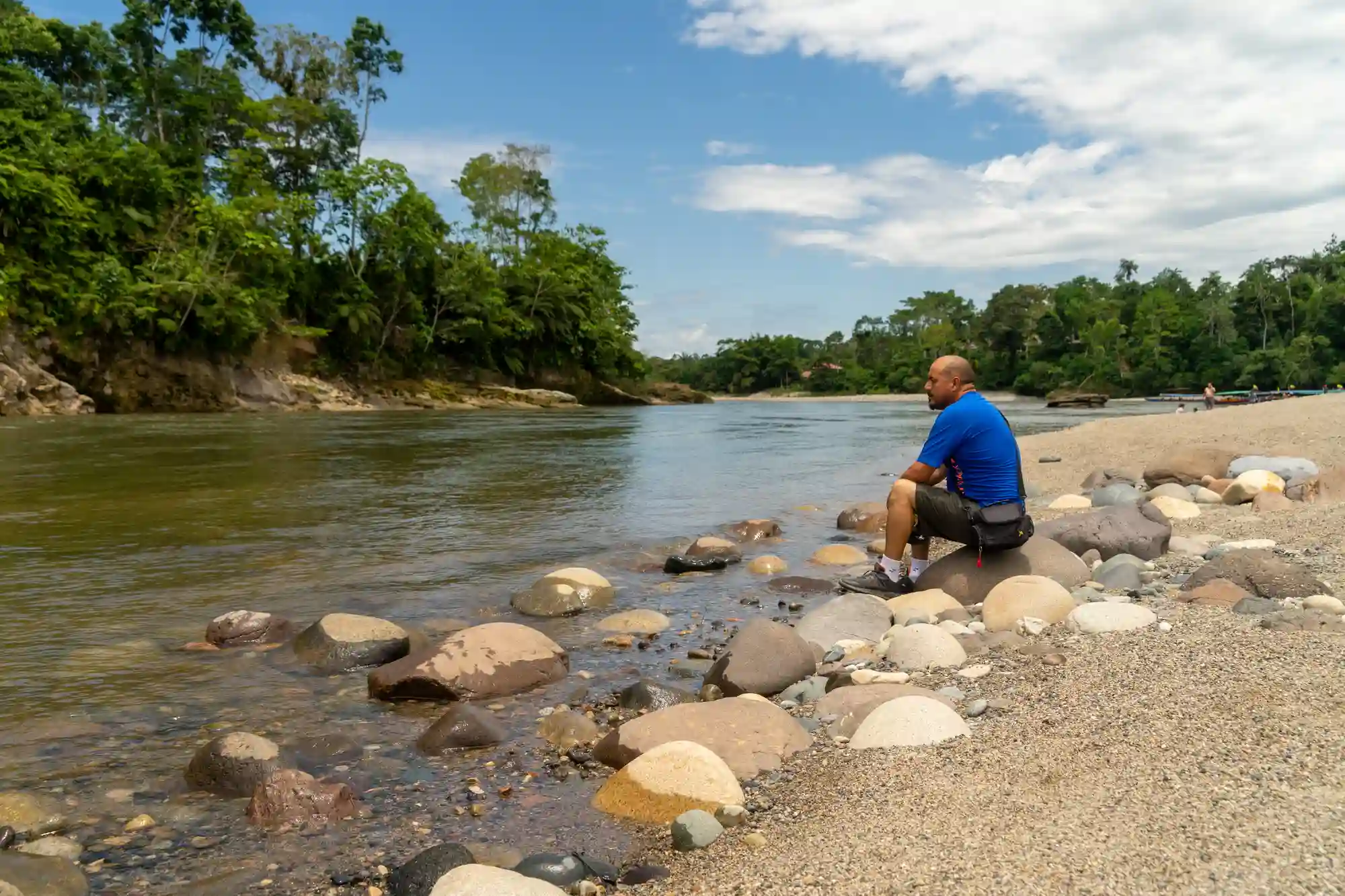
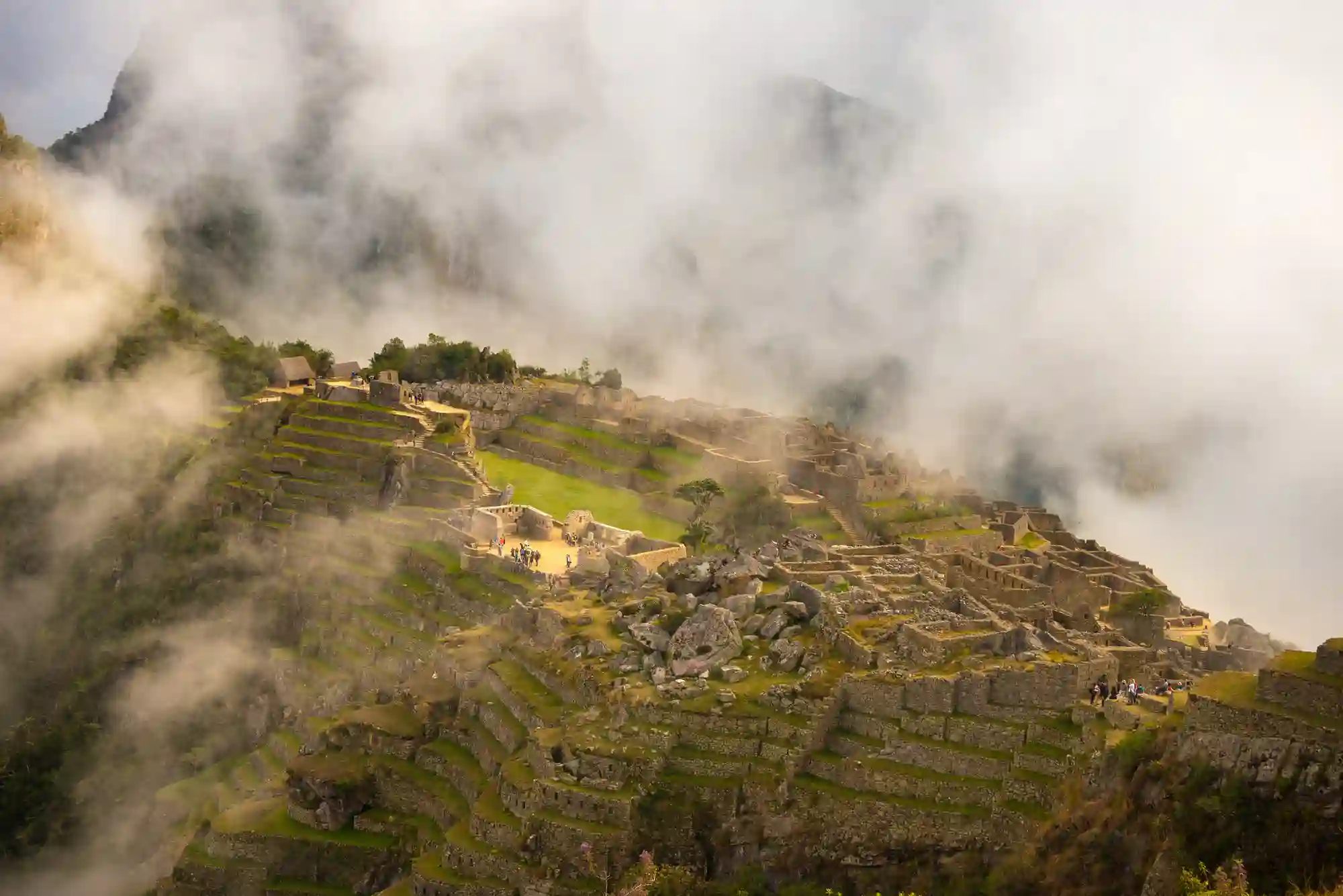
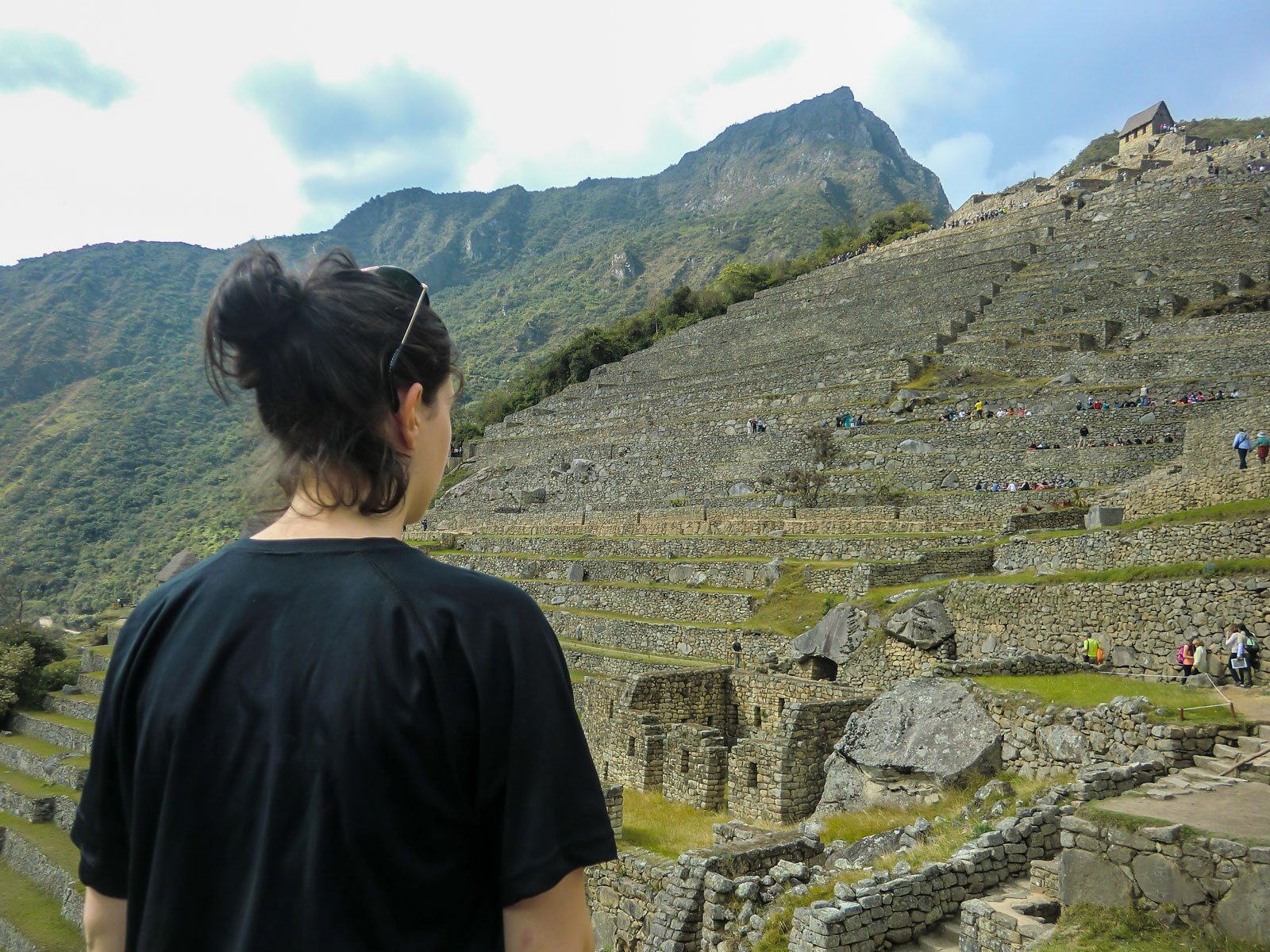
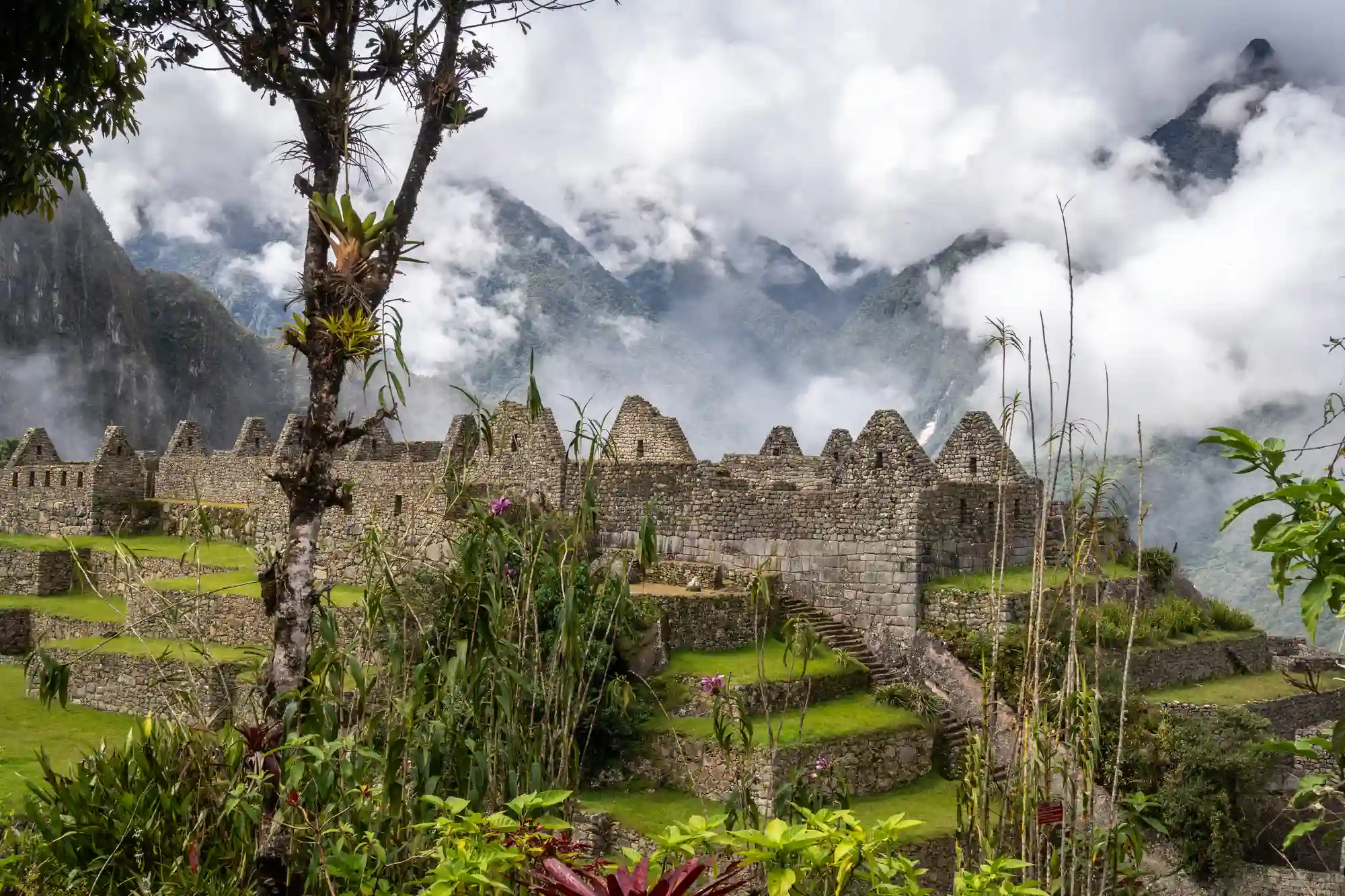
Compare the classic 4-day adventure route, the faster 3-day version and Llactapata-style alternatives that keep the journey active before Machu Picchu.
The first descent sets the tone: snow peaks and high passes give way to green valleys, warmer air and a more playful way to approach Machu Picchu.
Choose based on how much activity you want. The 4-day route offers the fullest sequence, while shorter versions focus on the strongest highlights.
If trekking alone feels too slow, Inca Jungle adds speed, water, heat, optional zipline and hot springs before the final Machu Picchu visit.
Activity options, route length and accommodation style can often be adjusted, making this a practical choice for travelers with fixed Machu Picchu dates.
Use this group if you want to compare a 3-day fast version with the fuller 4-day experience.
Tell us whether biking, rafting, zipline or hot springs are priorities so the itinerary matches your travel style.
 Featured Tour
Inca Jungle Trail to Machu Picchu 4 Days – The Ultimate Adventure Route The Inca Jungle Trail to Machu Picchu 4 Days...
 Featured Tour
Inca Jungle Trail 3 Days to Machu Picchu – A Thrilling Adventure Experience The Inca Jungle Trail 3 Days to Machu Picchu...
 Featured Tour
Llactapata Trek 3 Days to Machu Picchu – A Unique Adventure Experience The Llactapata Trek 3 Days to Machu Picchu is one...
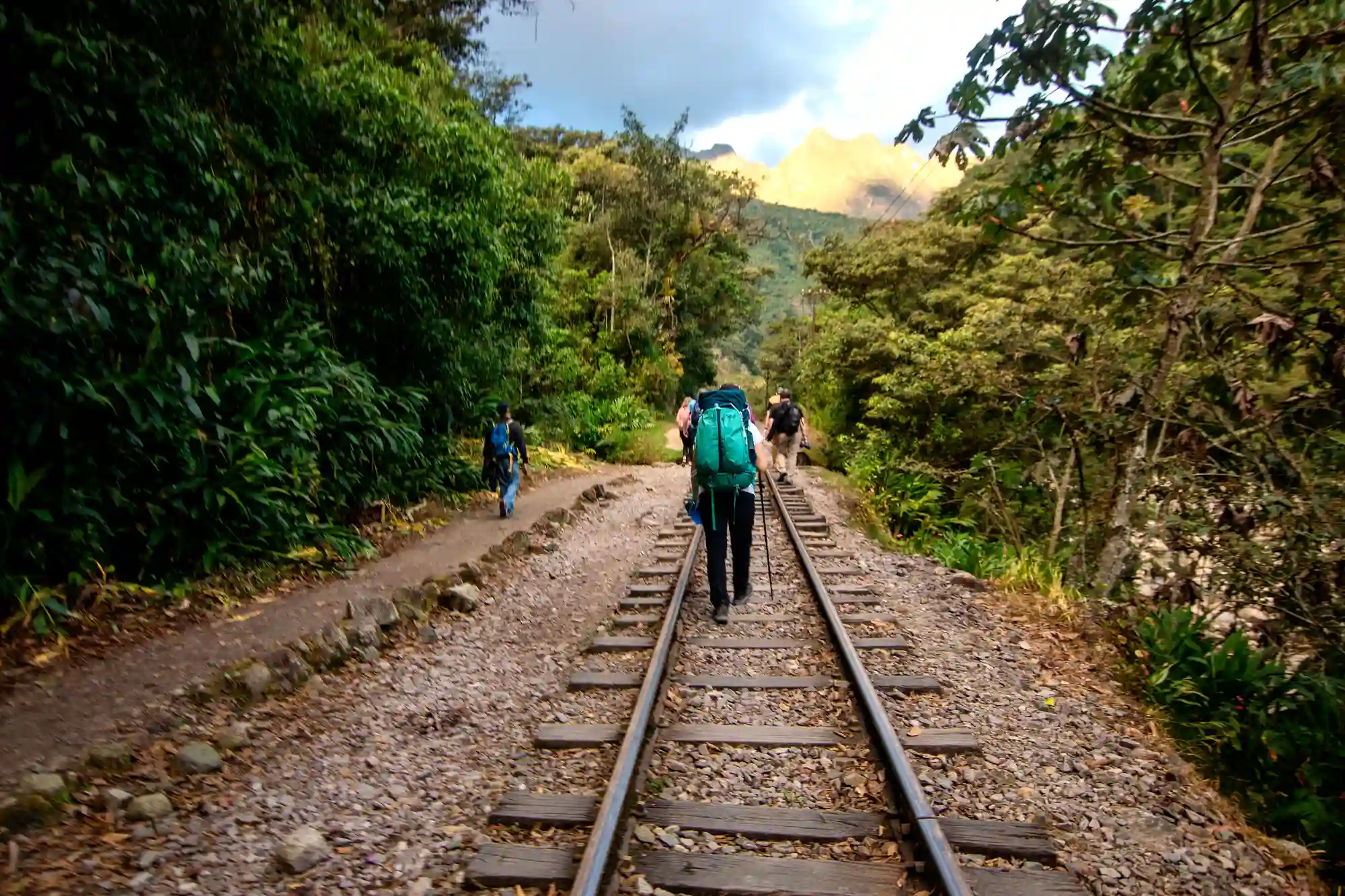
Preview the route’s energy: mountain roads, tropical valleys, river scenery, railway approaches and the final reward at Machu Picchu.
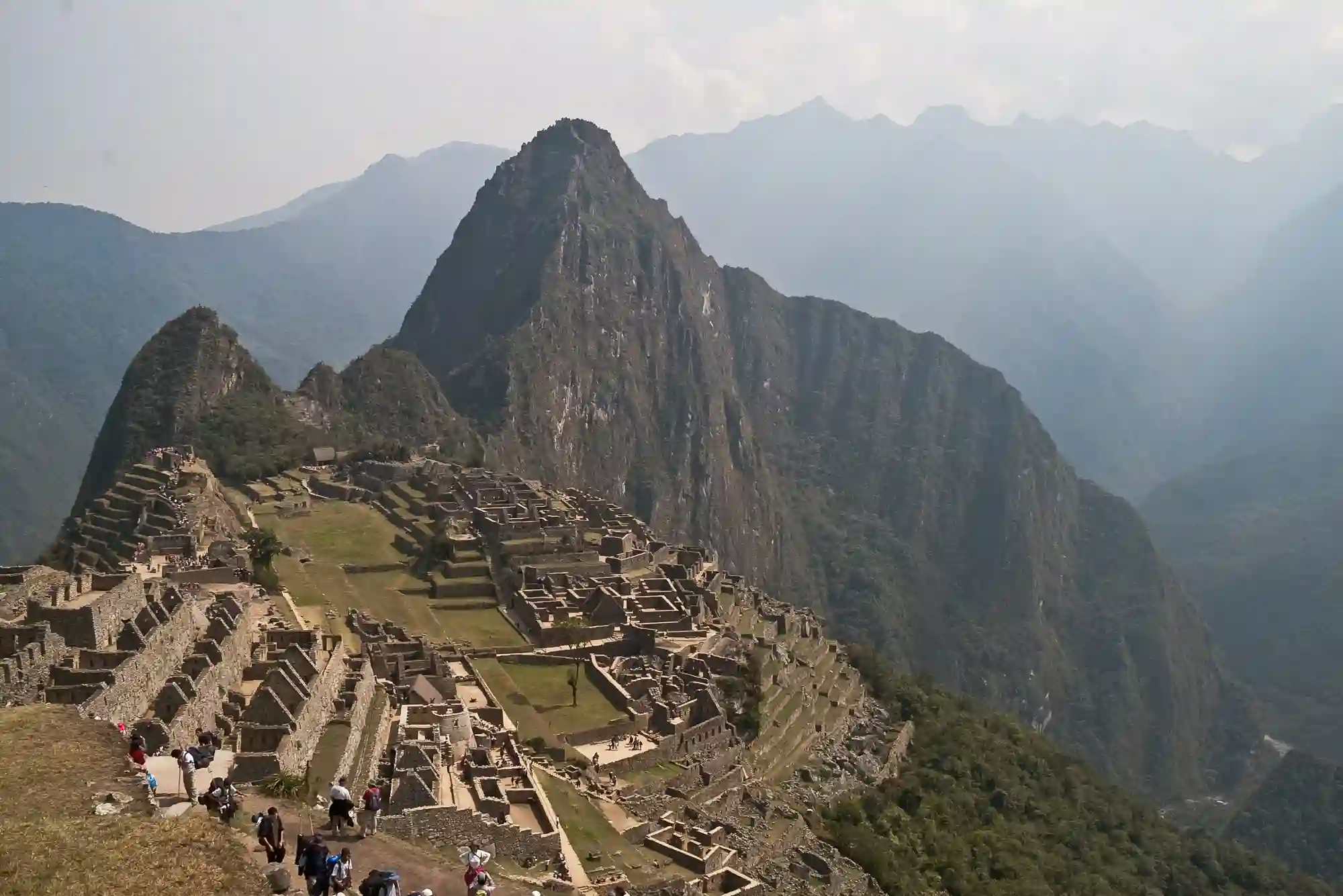
This guide helps travelers understand the activities, route conditions, seasonality and expectations before choosing the adventure route to Machu Picchu.
No. The Inca Jungle Trail is a multi-activity alternative route to Machu Picchu, generally combining mountain biking and hiking, with rafting and ziplining available on many itineraries. The Classic Inca Trail, by contrast, follows the regulated archaeological trail network and requires specific government-controlled permits. Typical Inca Jungle itineraries travel through the Santa María and Santa Teresa area before approaching Machu Picchu.
This distinction is important because finding an available Inca Jungle departure does not mean you have obtained a Classic Inca Trail permit.
You do not normally need to be an experienced mountain biker, but you should already know how to ride a bicycle confidently, brake progressively, corner, and maintain control on a long descent.
The biking section is not the right place to learn basic cycling skills. Many itineraries begin the cycling portion high in the Andes and descend toward much lower terrain.
If you rarely ride a bicycle, practice several times before Peru, including downhill braking.
Not necessarily. Rafting is included or offered as an optional activity in many Inca Jungle programs, but the exact arrangement varies by operator and itinerary.
Travelers who do not want to raft should confirm the alternative arrangements before booking, rather than assuming they can simply skip the activity without affecting transportation or timing.
Usually not. Ziplining is commonly offered around the Santa Teresa portion of the route, but whether it is included, optional, or omitted depends on the package.
If you are uncomfortable with heights or have an injury that could affect harness use, tell the operator before paying so the day’s logistics can be planned correctly.
The main difference is usually compression rather than simply distance. A 3-day itinerary has to fit the adventure activities, transfers, hiking and Machu Picchu into a shorter schedule, while the 4-day version can distribute the journey more gradually. Published 3-day itineraries show that some operations combine travelers or modify transfers to make the shorter schedule work.
If you prefer a less rushed experience, the 4-day version is generally the better choice.
Normally, no. This is a common source of confusion.
The typical Inca Jungle route approaches Machu Picchu Pueblo/Aguas Calientes through the Hidroeléctrica area, with the Machu Picchu visit taking place afterward. It should not be confused with the regulated Inca Trail routes that enter the sanctuary through Intipunku.
If entering through the Sun Gate is important to you, choose the appropriate Inca Trail itinerary rather than the Inca Jungle.
Yes. Although much of the later journey is at lower elevation, many Inca Jungle itineraries begin with transportation to a high Andean pass before the cycling descent.
Travelers arriving directly from sea level should therefore still acclimatize in Cusco. Physical fitness does not protect someone from altitude illness.
Adventure activities can be altered or suspended when local conditions make them unsafe. River conditions, road surfaces, visibility and weather can change independently of whether the overall tour continues.
Before booking, ask what happens if an activity is cancelled: Is there an alternative activity, transportation instead, a refund, or simply a schedule change? The policy can vary between operators.
It is a different type of challenge. The route generally does not involve the same prolonged high-altitude trekking as Salkantay, but it combines several types of effort: cycling, hiking, warm and humid conditions, possible rafting, ziplining, and consecutive active days.
Someone with good hiking fitness but poor bicycle control may find Inca Jungle more stressful than expected.
No. Inca Jungle availability and Machu Picchu ticket availability are separate.
Machu Picchu currently operates three main circuits divided into ten routes, each with its own ticket inventory.
Always ask which exact Machu Picchu circuit, route and entrance time will be reserved.
Do not stop at the question, “Is a bike included?”
Ask whether the bicycle has front suspension, functioning front and rear brakes, appropriate tire tread, and sizing suitable for your height.
For a long descent, brake condition matters much more than whether the bicycle looks new in photographs.
Before leaving the starting area, squeeze each brake independently and confirm which lever controls which wheel.
Practice braking before gaining speed. Use both brakes progressively instead of suddenly grabbing only the front brake.
If something feels wrong with the brakes, gears or saddle height, tell the guide before starting, not halfway down the mountain.
River conditions can change, so do not assume that rafting is guaranteed simply because it appears in the itinerary.
Ask what happens if the rafting operator decides conditions are unsuitable. Knowing whether the activity is refunded, replaced or simply skipped prevents arguments during the tour.
A cheaper Inca Jungle package may not offer the same Machu Picchu ticket as another package.
Because Machu Picchu currently has different circuits and routes, two travelers can reach the same destination but receive significantly different archaeological visits.
Compare the exact circuit, not only the total tour price.
Shorts may seem logical because the lower sections can feel warm, but exposed legs increase your vulnerability to insect bites.
Lightweight, breathable trousers provide a better balance between ventilation, sun protection and insect protection.
The CDC recommends covering exposed skin and using an effective insect repellent in areas where biting insects are present.
Do not trust a backpack rain cover to protect everything.
Keep one complete dry set—shirt, underwear and socks—inside its own waterproof bag.
This becomes especially useful after rafting, heavy rain, sweating, or a wet hiking day.
The shorter itinerary can be attractive when vacation time is limited, but the Inca Jungle is more enjoyable when every activity does not feel like a connection you have to catch.
The 4-day version is particularly sensible for travelers who have limited experience with cycling or multi-day adventure tours.
For biking, rafting and ziplining, clarify what protective equipment is supplied and whether it is included in the price.
Do not assume that “equipment included” automatically means exactly the same equipment at every activity provider.
If a helmet, harness, life jacket or other safety item appears damaged or fits poorly, request another one before starting.
Standard travel insurance does not always cover every adventure activity.
Before Peru, check whether your policy covers mountain biking, rafting, ziplining, hiking and emergency evacuation. CDC guidance specifically notes that some policies exclude wilderness or adventure activities unless additional coverage is purchased.
Do not plan an international flight immediately after the expected return.
Your journey depends on multiple elements—walking pace, road conditions, Machu Picchu timing and, on some itineraries, train transportation.
A night in Cusco after the tour provides a useful margin if logistics change.
This route sells energy. Instead of focusing only on distance, it combines activities: downhill mountain biking, hiking through river valleys, optional rafting, optional zipline, hot springs and the final guided visit to Machu Picchu. The story is variety from the first day.
The trade-off is that it is not the Classic Inca Trail. Travelers should not expect original Inca paving and a Sun Gate arrival. They choose Inca Jungle because they want fun, flexibility, warmer terrain and an adventurous build-up to the citadel.
Best for active travelers, friends, solo travelers, students and couples who enjoy outdoor activities and do not want a purely historical trek.
The Inca Jungle requires a backpack that works for both hiking and active movement, not a large trekking pack.
The Osprey Talon 22 is particularly appropriate because its 22-liter design is intended for hiking and biking, with a close-fitting ventilated suspension and flexible harness system.
A backpack that moves excessively while cycling can become annoying during a long descent.
You need enough grip for dirt, stone, wet vegetation and uneven paths without carrying heavy mountaineering boots.
The Salomon X Ultra 5 Gore-Tex is designed for full-day hiking on mixed and rocky terrain and uses a Contagrip outsole for traction.
One useful detail: in very warm conditions, breathable non-waterproof trail shoes can feel cooler and may dry faster if completely soaked. Waterproof shoes are more useful when persistent rain is expected.
A disposable poncho is uncomfortable when moving actively and can flap considerably while walking.
The Patagonia Torrentshell 3L provides a proper three-layer waterproof/breathable shell while remaining packable enough for a daypack.
Keep it accessible rather than packed beneath everything else.
For this route, quick-drying clothing is more useful than heavy trekking trousers.
The Patagonia Terrebonne Joggers are lightweight, breathable and specifically designed to dry quickly.
This type of fabric is useful after rain, high humidity and sweaty walking sections, while also providing more insect protection than shorts.
Use an internal waterproof bag for items that cannot get wet.
The Sea to Summit Lightweight Dry Bag is available in small sizes and is designed for backpacking, cycle touring and travel.
Use one for your passport, phone, chargers, medication and dry clothing. A 3–5 liter size is usually sufficient for valuables.
Do not choose insect repellent based only on smell or the word “natural.”
The Sawyer 20% Picaridin spray or lotion is a strong practical option. Sawyer specifies 20% picaridin, while CDC guidance recognizes picaridin as an effective active ingredient for protection against biting insects.
If you are also using sunscreen, the CDC recommends applying sunscreen first and insect repellent afterward.
Wet or sweaty feet become much more vulnerable to rubbing during the hiking sections.
Smartwool Hike Light Cushion socks combine merino wool with cushioning along the bottom of the foot.
Keep one completely dry spare pair inside your waterproof bag rather than with luggage you cannot access during the day.
A collapsible bottle is useful because its volume decreases as you drink.
The HydraPak Flux 1L holds one liter but compresses when empty and can also work with compatible filtration systems.
For warm hiking sections, carrying capacity matters more than carrying an expensive insulated bottle.
Expect long days in which charging may not be convenient exactly when you need it.
The Anker Nano 10K provides 10,000 mAh and includes a built-in USB-C cable, reducing the number of loose accessories you need to protect from rain.
Keep the power bank inside your waterproof pouch.
A headlamp is more useful than relying on your phone flashlight during early starts, unexpected delays or poorly lit accommodation areas.
The Black Diamond Spot 400 provides 400 lumens and supports Black Diamond’s dual-fuel system.
A model that can use replaceable batteries can be particularly practical on a multi-day route.
The Inca Jungle is sometimes marketed as a low-altitude alternative, which can create false confidence.
Many itineraries travel to a high Andean area before beginning the biking descent.
Spend time acclimatizing in Cusco before departure. The CDC notes that fitness does not protect travelers from altitude illness and recommends relatively mild exercise during the first 48 hours after arriving at altitude.
A condition that causes little trouble while sightseeing can become relevant when braking on a bicycle, sitting in a raft, wearing a zipline harness or walking for several hours.
Mention previous injuries before departure so the activity staff can determine whether modifications are appropriate.
Do not wait until you are already wearing the harness or sitting in the raft.
Cycling fitness is less important than bike control on the first adventure day.
Practice slowing quickly without locking the wheels, using both brakes progressively, and maintaining a stable body position.
Someone who can ride comfortably on a flat bicycle path is not automatically prepared for a sustained mountain descent.
Your legs do more than pedal.
Downhill cycling requires repeated stabilization, and the hiking sections add additional descending and climbing.
Include controlled step-downs, split squats and slow stair descents in your preparation rather than training only with running or uphill walking.
Inca Jungle combines several active days rather than one isolated workout.
Complete moderate exercise on consecutive days during your preparation—for example, cycling one day and hiking the next.
This exposes problems with recovery, knees, feet and general fatigue before you arrive in Peru.
The route transitions from high Andean terrain into substantially warmer and more humid environments. Typical itineraries describe movement from the high pass toward cloud-forest and tropical areas.
If you only train in a cool gym, your cardiovascular fitness may be good while your heat tolerance is poor.
During training, include some outdoor exercise in warmer conditions when safely possible.
Small blisters become more problematic when multiple activities follow one another.
During training, identify exactly where your shoes rub and test the socks you intend to use.
Treat a hot spot as soon as it appears rather than waiting for a fully developed blister.
You will gain almost no meaningful fitness during the last few days before the tour.
You can, however, arrive with sore knees, an irritated Achilles tendon or muscle fatigue.
Reduce training volume before traveling and begin the tour recovered rather than exhausted.
Headache accompanied by nausea, dizziness, unusual fatigue or loss of appetite can indicate acute mountain sickness. Confusion, coordination problems or breathlessness while resting are much more serious warning signs.
Tell your guide when symptoms are developing instead of trying to hide them so you can continue the activity.
Muscle soreness is expected, but sharp joint pain, significant swelling or a new injury deserves attention.
If you develop a problem after cycling or rafting, tell the guide before beginning the next activity.
Multi-activity tours can turn a relatively minor injury into a larger problem when each day’s stress is different.
The adventure route may have space while your preferred Machu Picchu ticket does not.
Machu Picchu currently uses three circuits containing ten different routes, so availability needs to be checked by exact route and entrance time.
Do not accept “Machu Picchu is available” as the complete answer.
A tour can remain confirmed while the rafting component changes.
Water levels and local operating conditions determine whether the rafting provider considers the activity suitable that day.
Ask about the cancellation and replacement policy before booking, particularly during wetter periods.
The zipline is normally provided by a specialized activity operator rather than being simply another walking section.
Inca Jungle itineraries commonly place the activity around Santa Teresa, but its inclusion varies between packages.
Make sure the price quotation clearly states whether it is included or optional.
Poor visibility, heavy rainfall, road work or other local conditions can affect the cycling section while the rest of the journey remains operational.
Travelers should understand that modifying one adventure activity does not automatically mean that the complete Machu Picchu itinerary has been cancelled.
A 3-day tour is not simply the 4-day tour with one hotel night removed.
Some shorter operations change transfers or coordinate passengers differently to compress the schedule.
If your travel dates are fixed, confirm the exact itinerary rather than assuming you can switch duration at the last minute.
Shared departures are easier to organize when solo passengers have some flexibility.
If you can depart on June 14, 15 or 16 instead of only June 15, there is a better chance of matching an existing group and its activity logistics.
This is particularly useful outside the busiest travel periods.
If your package returns by train, the train seat must also be available.
PeruRail currently applies luggage limits on Machu Picchu services, and Inca Rail permits one piece of hand luggage up to 8 kg and 118 linear cm.
Ask for the exact return method and approximate train time before confirming the tour.
The cycling, accommodation and guide operation may still have availability while the preferred Machu Picchu circuit is already unavailable.
This means booking late may not prevent you from doing the Inca Jungle—it may instead force you to accept a different Machu Picchu route or entry time.
When booking very close to departure, one component may have availability while another does not.
For example, the main tour may operate but a preferred zipline schedule, rafting session, train or Machu Picchu entrance may require modification.
Always request the final confirmed inclusions rather than relying on a generic itinerary from the website.
Before paying, your confirmation should clearly identify:
Biking, rafting, zipline, Machu Picchu entrance and circuit, transportation to the trail, accommodation, meals, return by train or vehicle, and which activities carry an additional charge.
Inca Jungle itineraries vary considerably between operators; published 3-day and 4-day programs show meaningful differences in activity order, transfers and optional services.
This is one tour where comparing only “days + price” is not enough.