S

We were a group of four girls, all 24 years old! It was an incredible experience! Genrri was an excellent guide, and our chef, Ricardo, was fantastic; he prepared vegetarian lunch and dinner for us every day. I highly recommend it!
 4.8/5
342 reviews
4.8/5
342 reviewsTrain, car and multi-day experiences designed around tickets, circuits and smooth access to Machu Picchu.
Machu Picchu Tours are for travelers who want the wonder of the Inca citadel with logistics handled clearly: entrance tickets, circuit selection, train or car route, hotel timing, guide service and return to Cusco. The right tour reduces stress and turns a complicated destination into a memorable visit.
Machu Picchu Tours focus on the most important promise in Peru travel: getting travelers to the citadel with the right ticket, the right schedule and enough context to understand what they are seeing. Whether you travel by train, by car, in one day or with an overnight stay, the experience depends on planning details.
The current visit system uses circuits and timed entrances, so choosing the right route matters. Some travelers want the classic postcard view; others prioritize Huayna Picchu, Machu Picchu Mountain, a gentler pace or a lower-budget route by car.
View our Tripadvisor page
Read recent experiences from travelers who booked with our local team and shared how the service, organization, and on-trip support felt in real situations. These reviews help future passengers understand what to expect before choosing their tour.
We were a group of four girls, all 24 years old! It was an incredible experience! Genrri was an excellent guide, and our chef, Ricardo, was fantastic; he prepared vegetarian lunch and dinner for us every day. I highly recommend it!
We did the 4 day and 3 night Salkantay Trek on the 27th of July, and it was honestly one of the highlights of our trip. I couldn't recommend it enough, especially with Machu Picchu Teams.Everything exceeded our expectations from the accommodation and food to the organisation and most importantly, the amazing staff. Our guide Max made the experience so special. He taught us so much about the Quechua way of life and Inca traditions at every stop along the trek, which gave us such a good appreciation for the places we were visiting. He was also so much fun to be around, always making us laugh and keeping everyone's spirits high, even during the toughest parts of the hike. His positivity, encouragement and knowledge really made the experience unforgettable.A huge thank you as well to our chefs, especially Braulio, the head chef. We genuinely couldn't believe the quality of the food considering where we were. Every meal was so fresh and delicious and they had lots of vegetarian options too. We were given three generous meals a day which also included starters at lunch and dinner, plus snacks along the way. It was far beyond anything we expected on a trek.What really sets this company apart is the people. Max wasn't just a guide he genuinely cared about everyone in the group and always made sure we were doing okay. He knew exactly when to encourage us on the harder climbs, when to make us laugh, and when to stop to tell us another story about the history and culture of the area. He gave us a group name and gathered us every morning to do a chant together to get us ready for the day. You can tell he loves what he does and his passion made the whole trek so much more meaningful.The entire team was so kind and welcoming, and they made us feel looked after from start to finish. If you're thinking of doing the Salkantay Trek, I couldn't recommend Machu Picchu Teams more. It was an unforgettable experience, and we're so grateful to everyone who made it so special.
This tour is full of adventures and blessings. The exciting bicycle descent from the Andes took us through changing landscapes to the tropical rainforest. The hike through the jungle, led by an expert guide, allowed us to learn about the local flora and fauna. The RAFTING and ZIPLINING activities added excitement to the trip and were perfectly organized. The natural hot springs were an ideal place to relax after days full of activities. The visit to Machu Picchu was the highlight, with its impressive architecture and view. I highly recommend this tour to anyone looking for a combination of adventure, nature, and culture.
Had an amazing time, super well organized, nice people, and Nacho, the guide is amazing (and very funny) !!!❤️
I had an amazing time doing the Salkantay trek with Machu pichu teams! Especially Nacho who was an incredible guide for our group, always making sure we were all having a good time, having fun and looking after us from the start to the end. Big thanks to the whole team :)
Choose your Machu Picchu tour based on time, budget, preferred comfort and ticket priority. The best option is the one that gives you enough time at the site without making the travel day feel rushed.
Train tours are more comfortable and scenic, while car routes are more budget-friendly and adventurous.
Train – Car – Mixed Route
A full-day tour works for tight schedules; 2-day tours give a calmer visit; 3-day combinations add Cusco or Sacred Valley context.
1 Day – 2 Days – 3 Days
Ticket type affects viewpoints and route inside the citadel. Choose early if you want a specific experience.
Classic View – Mountain – Royalty Routes
Great for first-time visitors, families, couples and travelers who prefer logistics handled for them.
First Visit – Families – Easy Planning
Train service, hotel category and ticket type shape the final price more than almost anything else.
Essential – Comfort – Premium
Overnight tours reduce pressure and often make the visit feel more personal.
Fast Visit – Balanced – Relaxed
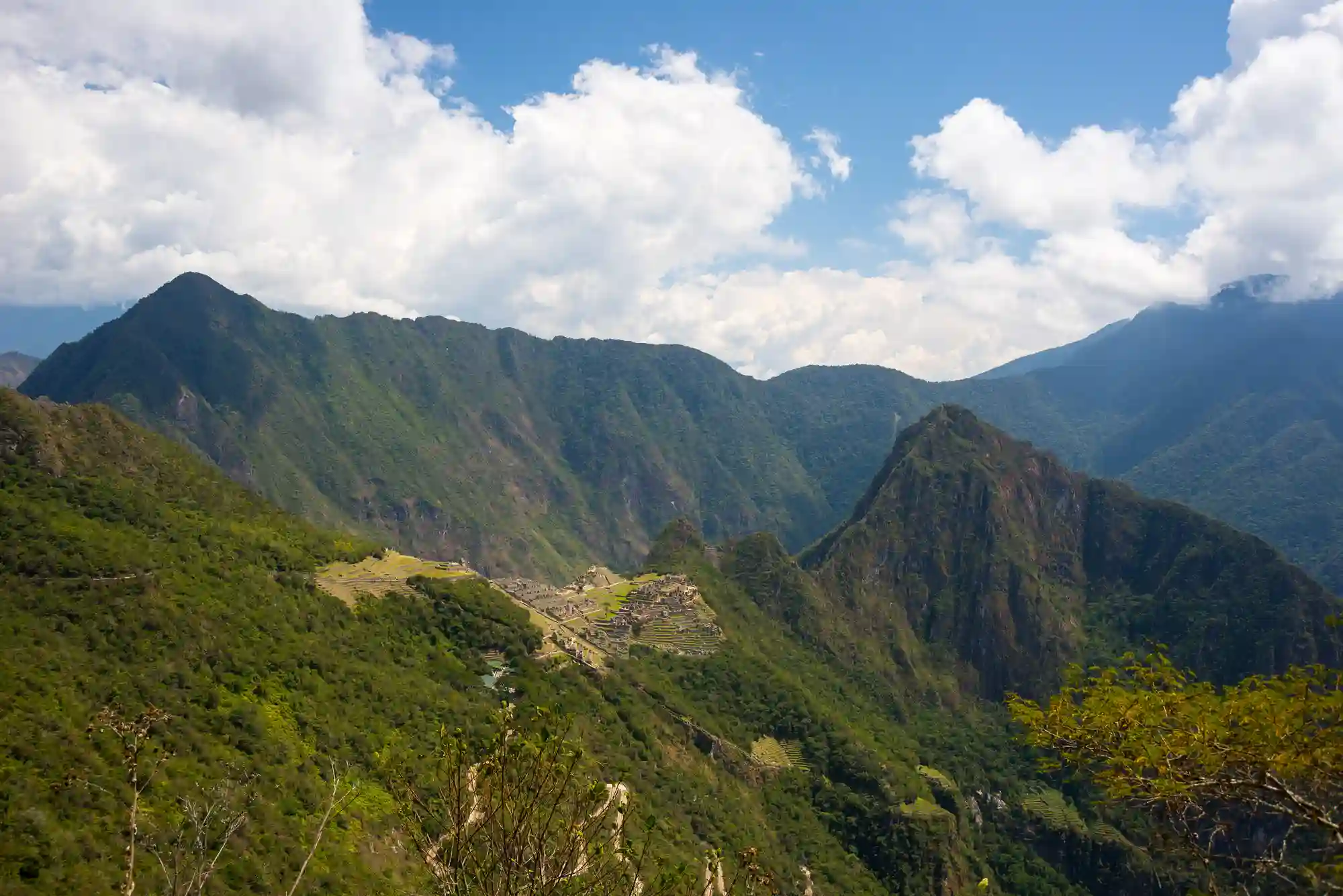
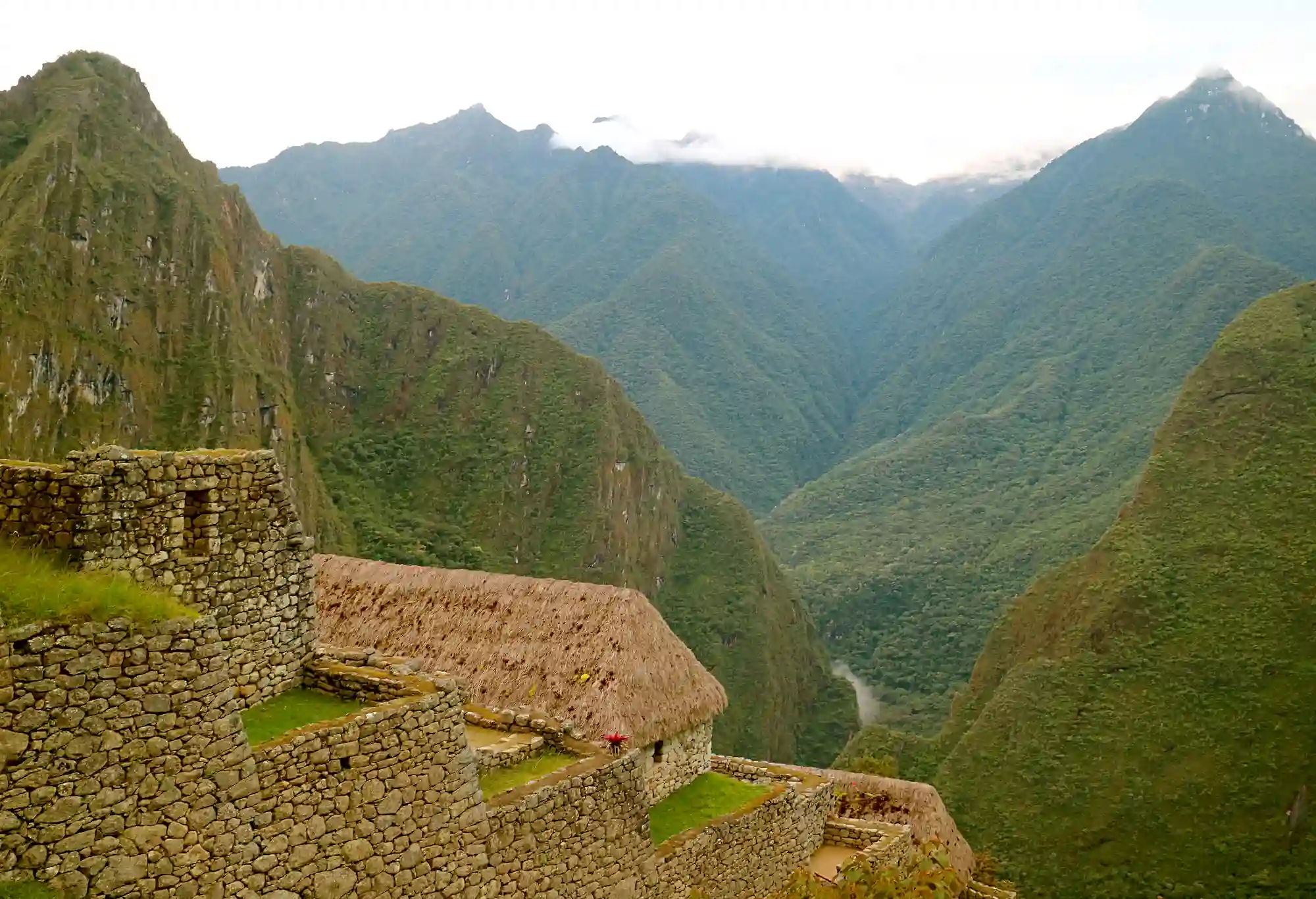
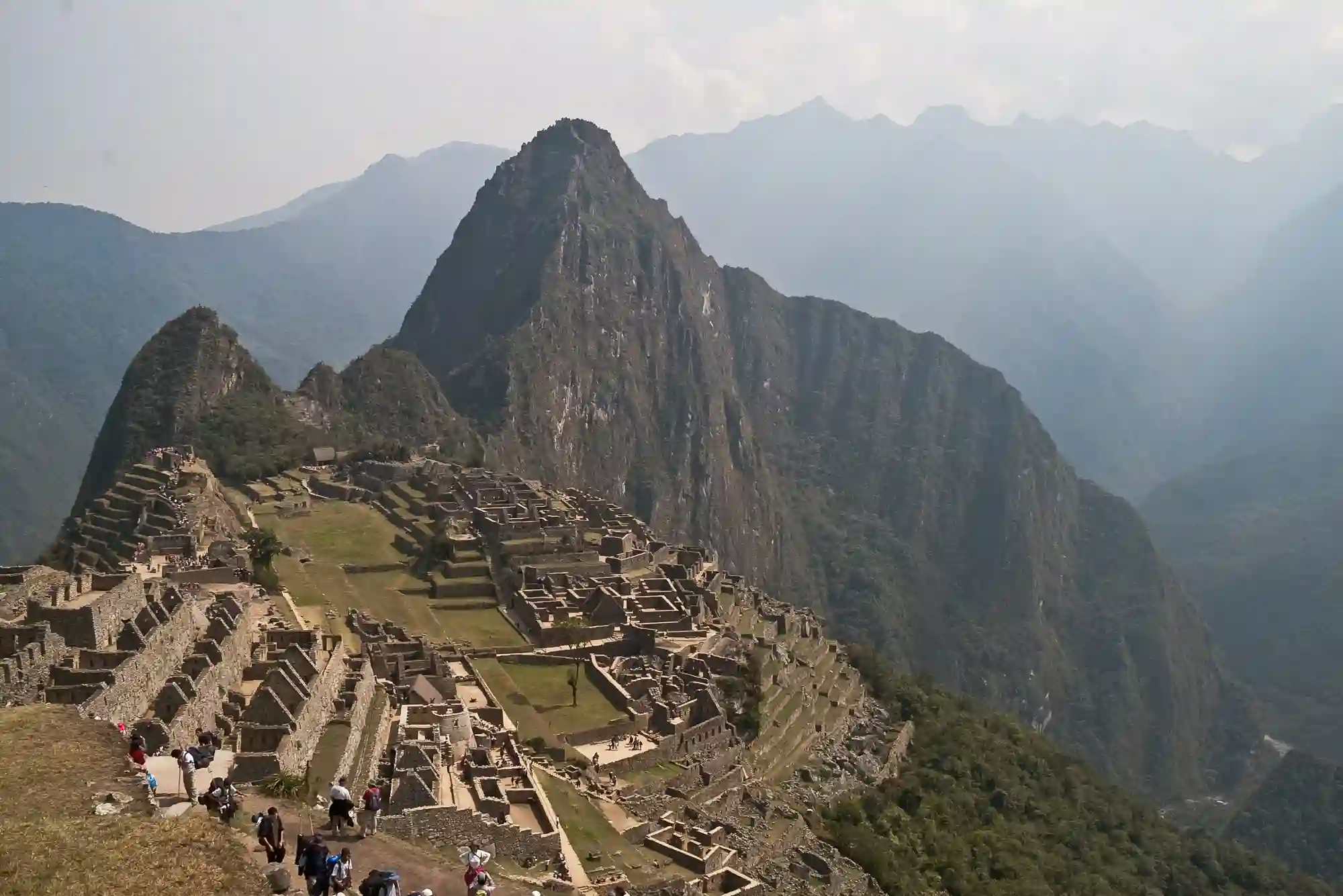
Start with the strongest ways to visit Machu Picchu: a full-day train tour for efficiency, a 2-day train tour for better pacing, and a Sacred Valley plus Machu Picchu route for deeper context.
Machu Picchu is now visited through timed routes and circuits. Planning early helps secure the viewpoint, mountain access or route style that best matches your expectations.
Compare classic train tours, budget-friendly car routes and multi-day combinations. Each one reaches the same wonder, but the comfort, pace and story are different.
The best Machu Picchu tour removes the friction: tickets, buses, trains, guide timing, hotel coordination and return to Cusco all work together.
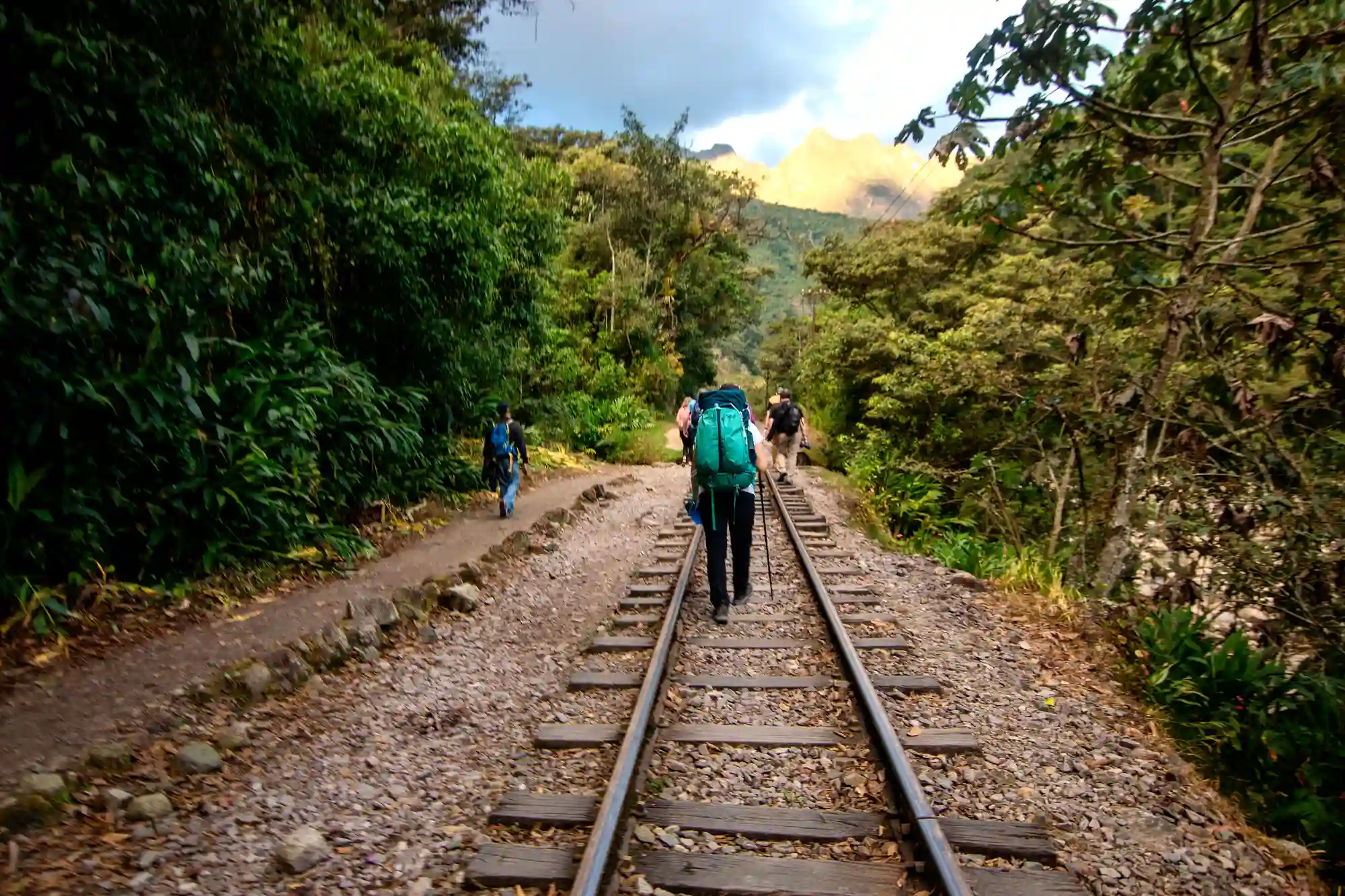
If your preferred ticket or train time is sold out, the itinerary can often be adjusted with an overnight stay, alternative transport or a Sacred Valley connection.
Use this section to compare comfort, cost and timing before committing to one route.
Tell us whether your priority is the classic photo, lower price, smoother pace or a specific mountain/circuit ticket.
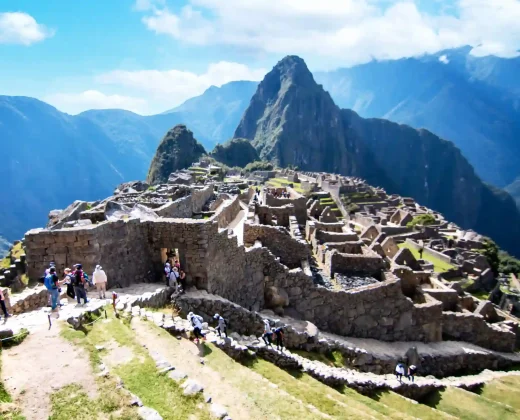 Featured Tour
Machu Picchu Full Day Tour by Train – The Best One-Day Trip from Cusco The Machu Picchu Full Day Tour by Train...
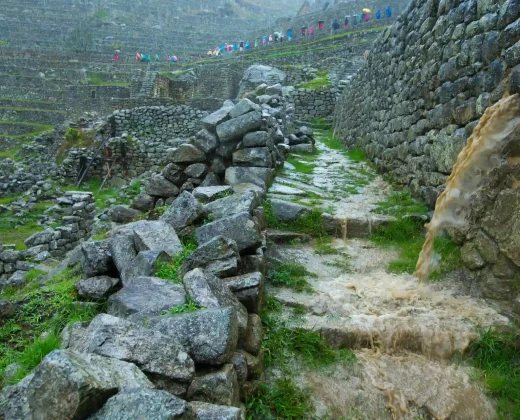 Seasson Offer
The Machu Picchu Tour 2 Days by Train is one of the best options for travelers who want to visit the legendary...
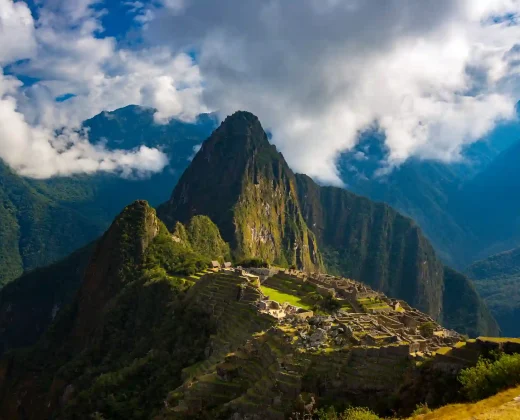 Featured Tour
The Sacred Valley + Machu Picchu 2-Day Tour to Machu Picchu combines visits to key archaeological and cultural sites in the Cusco...
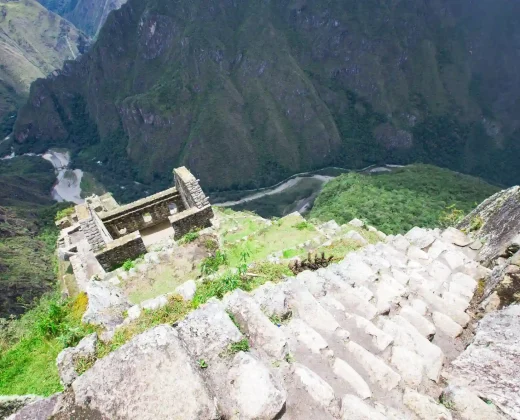 Featured Tour
The 2-Day Machu Picchu Tour by Car to Machu Picchu is an economical option designed for travelers seeking a lower-cost alternative while...
 Featured Tour
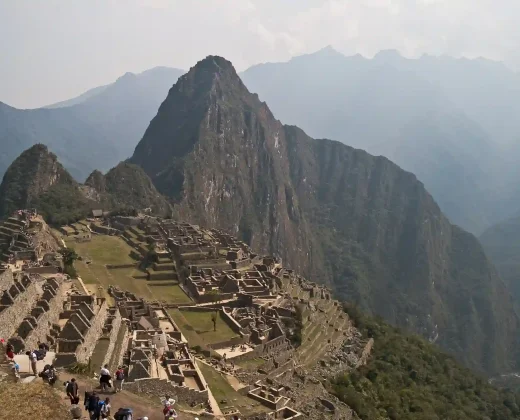
Machu Picchu Tour by Car 3 Days – Adventure Route to Machu Picchu The Machu Picchu Tour by Car 3 Days /...
 Featured Tour
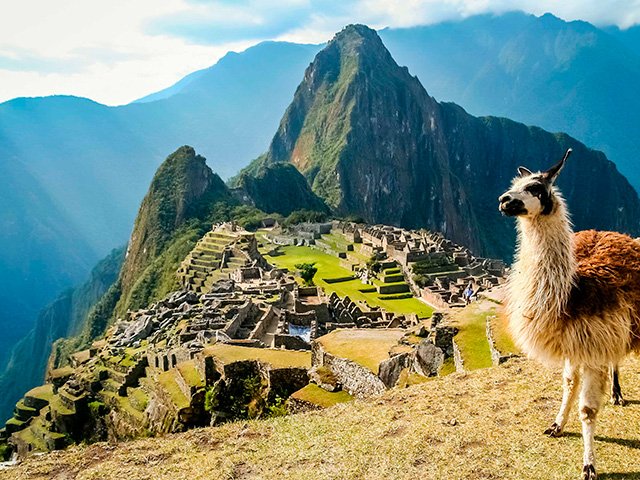
Experience the perfect balance between comfort and adventure on this 2-day journey to Machu Picchu. This thoughtfully designed expedition combines car and...
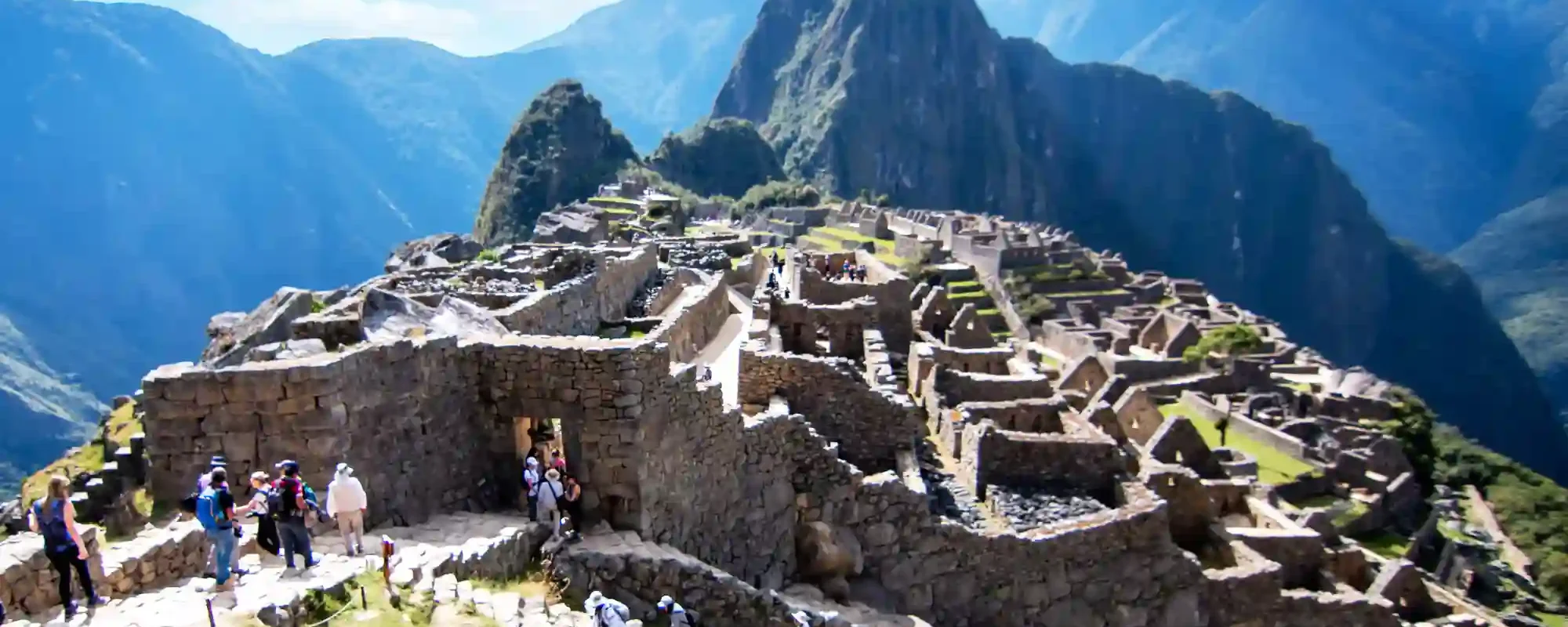
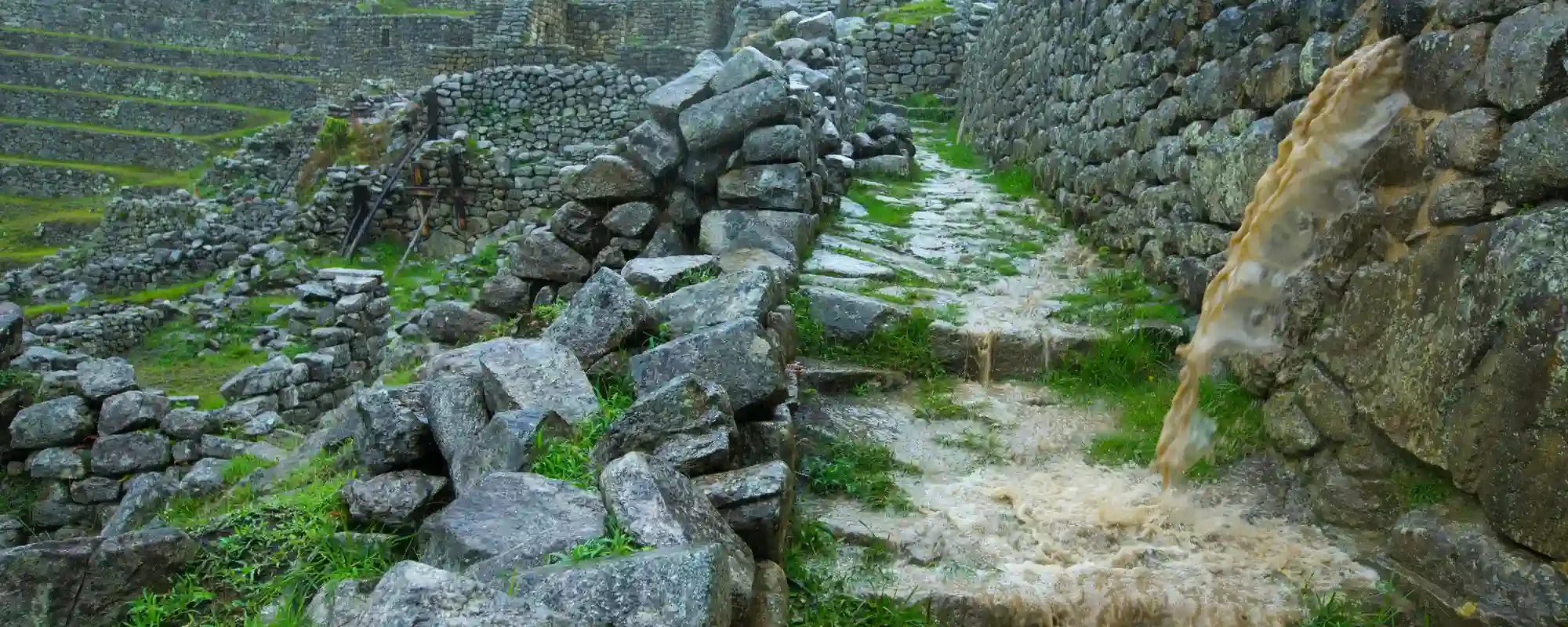
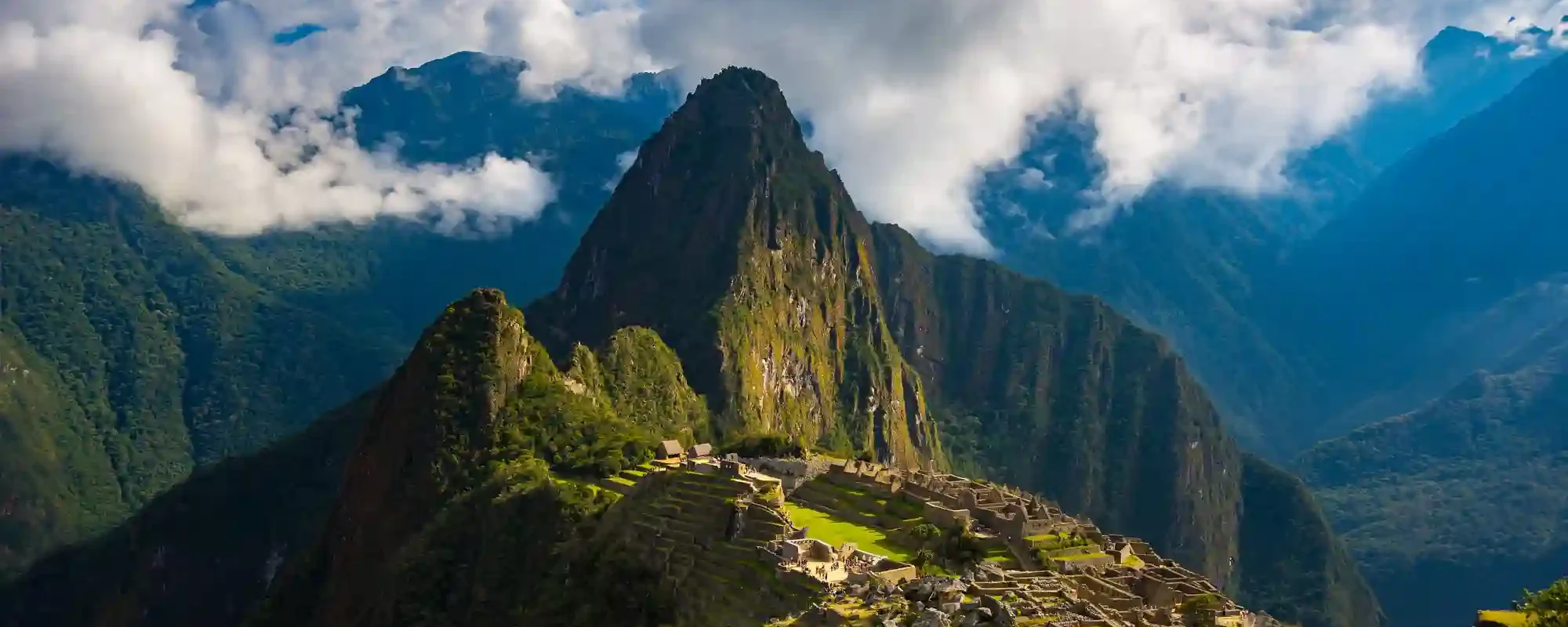
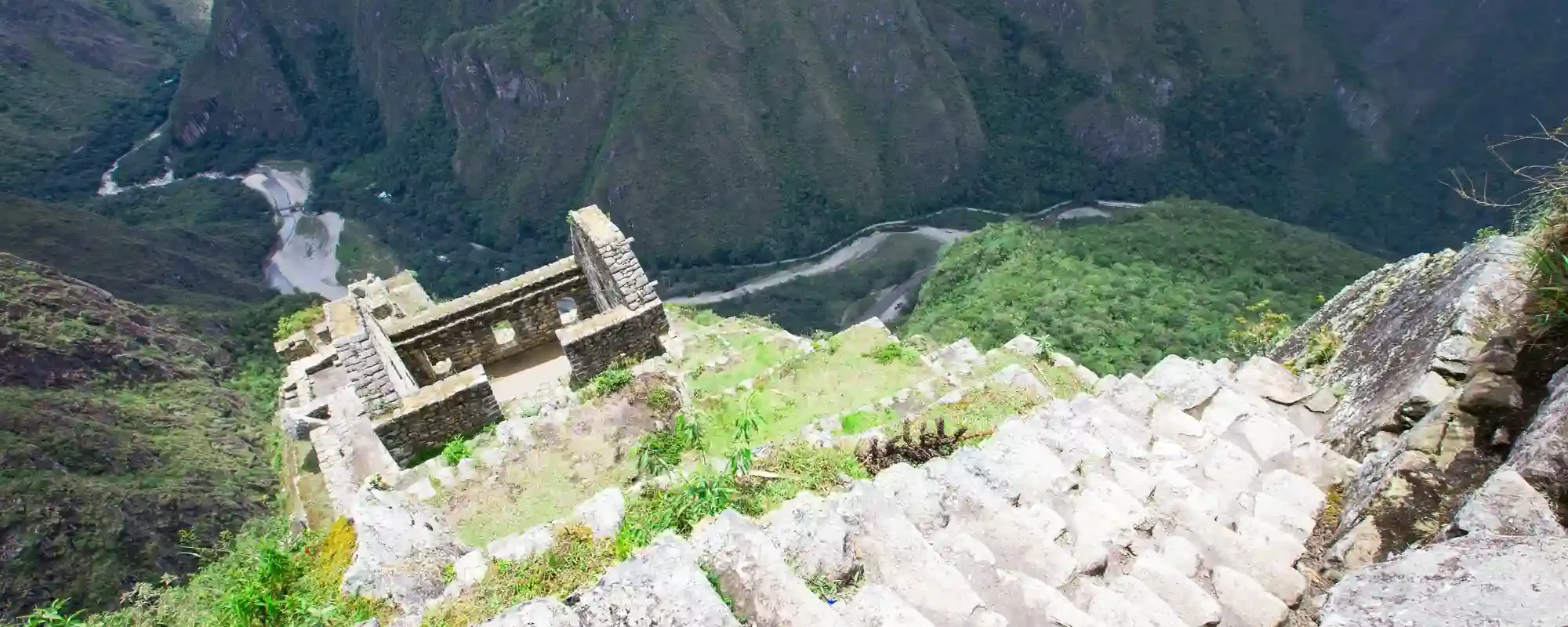
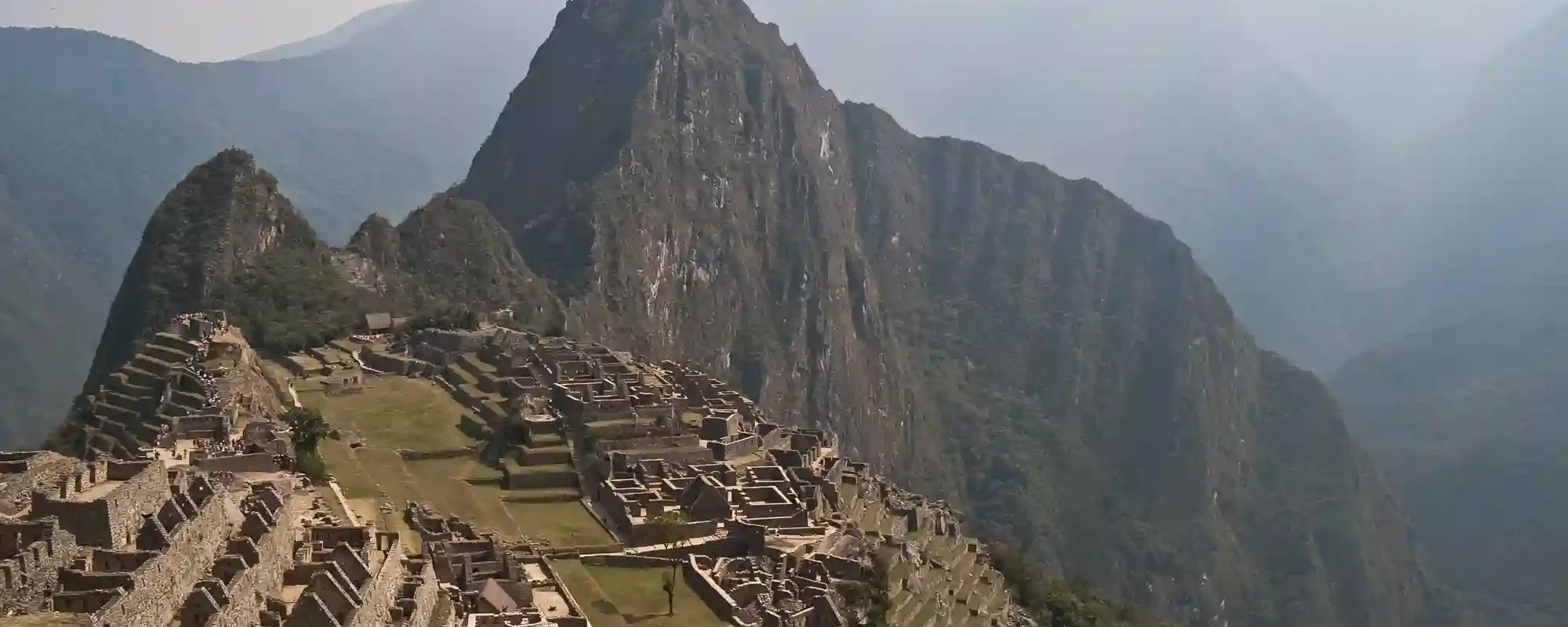
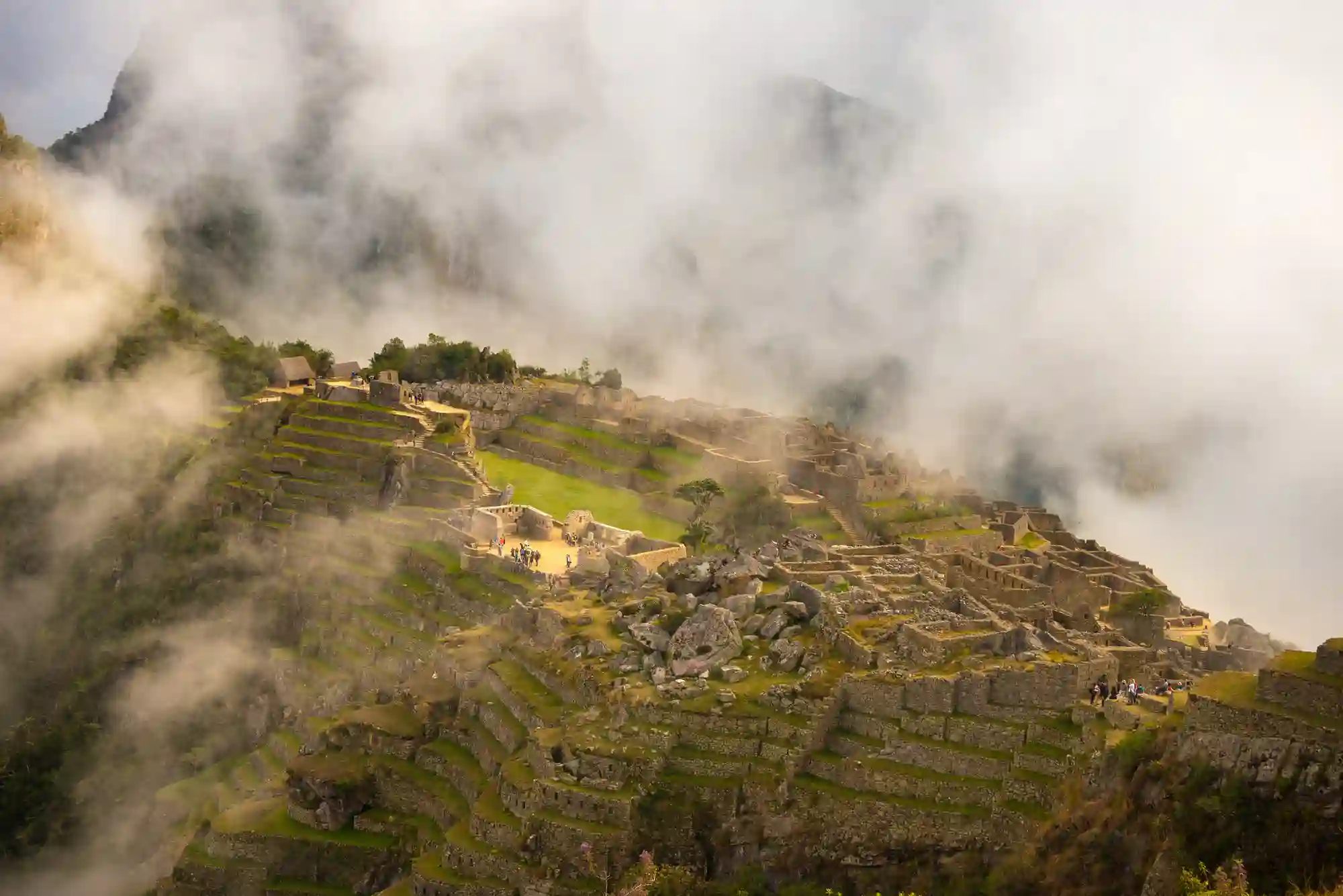
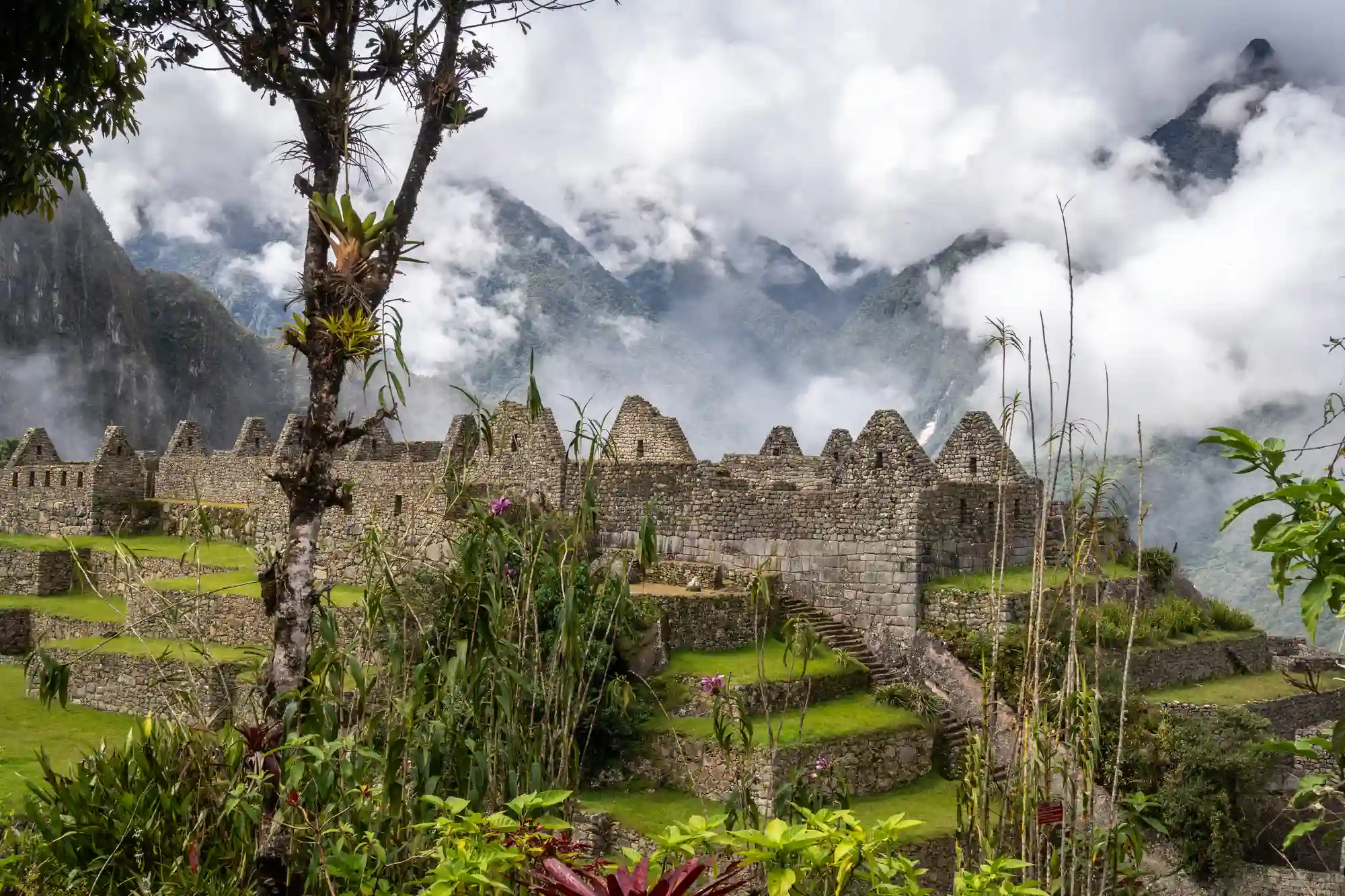
Explore images of the citadel, terraces, surrounding peaks, train route and viewpoints that help travelers understand why timing and circuit choice matter.
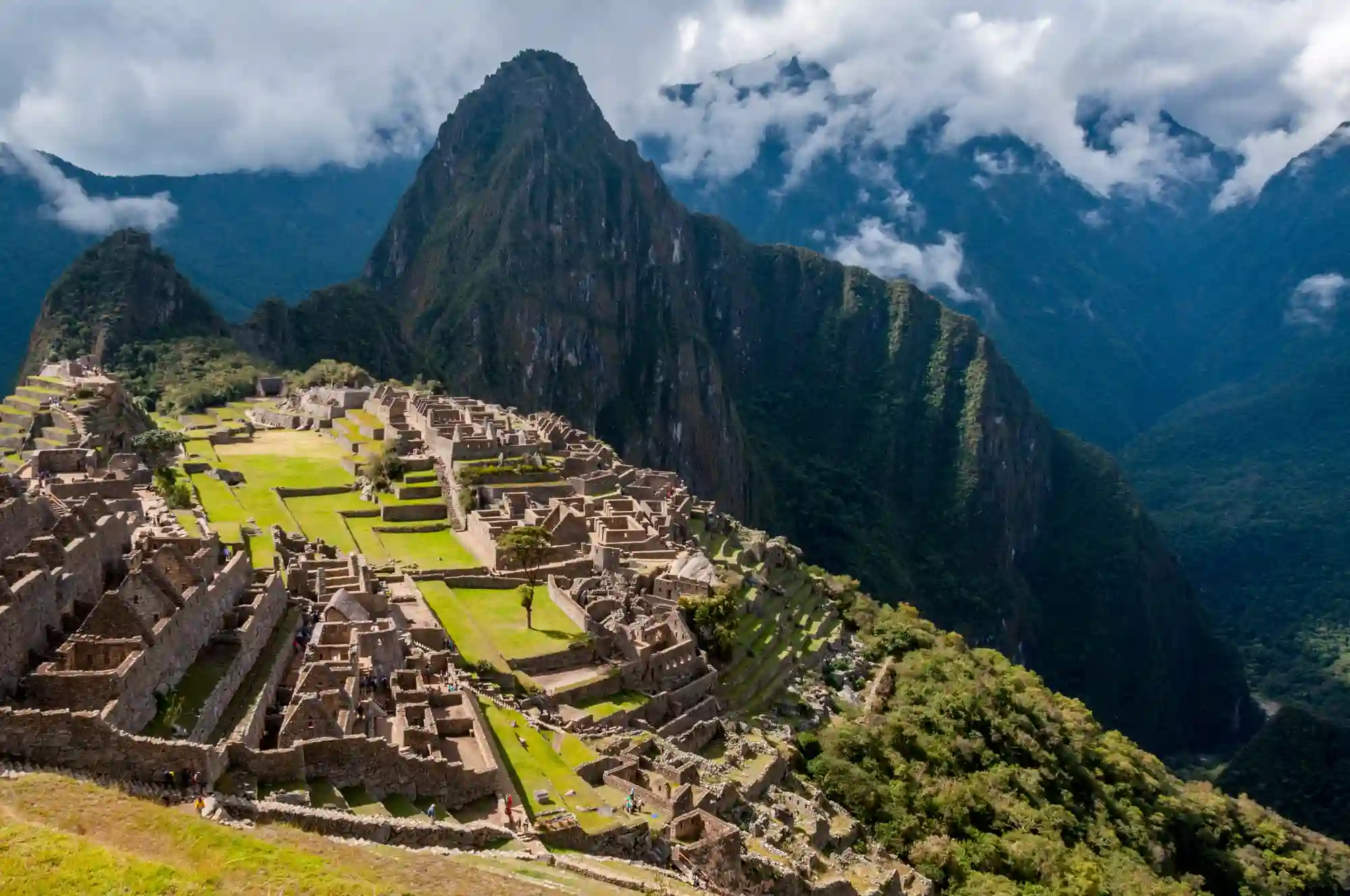
Before booking, understand tickets, circuits, train schedules, altitude, overnight options and realistic timing. Machu Picchu is easier when every step is planned in the right order.
This is now one of the most important decisions when booking a Machu Picchu tour. The site is divided into 3 circuits and 10 routes, and your ticket determines what you can actually visit. Circuit 1 prioritizes panoramic viewpoints, Circuit 2 combines the classic viewpoint with a more complete archaeological visit, and Circuit 3 focuses on the lower royal and ceremonial sectors and includes mountain alternatives such as Waynapicchu. You cannot simply choose another circuit after entering.
For travelers visiting Machu Picchu for the first time and wanting a balanced experience, Circuit 2 is generally the most complete option when available because Routes 2-A and 2-B include extensive sections of both the agricultural and urban areas.
No. Circuit 2 is one of the most desirable options and availability can disappear before other routes. Having availability for “Machu Picchu” therefore does not necessarily mean that Circuit 2 is available.
When requesting a tour, ask for the exact circuit, route and entrance hour rather than simply asking whether admission is included. Machu Picchu tickets are sold by specific route and time slot.
Not necessarily. Early entrances can provide cooler conditions and a quieter atmosphere, but morning cloud or mist can temporarily hide the classic view. Later entrances may have improved visibility on some days, although weather in the cloud-forest environment is inherently variable.
A more important consideration is whether your chosen entrance time works comfortably with your train arrival and bus connection. Building an itinerary with almost no transfer margin creates a greater practical risk than choosing between morning and afternoon light.
Do not plan to arrive exactly at the printed entrance time. Current visitor-management rules provide a tolerance period after the scheduled entry time—30 minutes in regular season and 45 minutes during officially designated high season. After that period, entry may be refused unless a qualifying force-majeure situation can be demonstrated.
Your tour should therefore account for the train arrival, walking through Machu Picchu Pueblo, the bus queue and the approximately 25–30 minute bus journey to the entrance.
Normally, no. Visitor regulations state that re-entry is not permitted, except in qualifying force-majeure circumstances.
This matters because there are also no restrooms inside the monument. Use the facilities before passing the entrance control and make sure you have everything you need before beginning your circuit.
No. This is one of the biggest misunderstandings among first-time visitors.
Modern Machu Picchu tickets follow predetermined routes. For example, Circuit 2 gives extensive access to the urban area, while Route 1-A focuses on panoramic views and Machu Picchu Mountain, and Route 3-A combines the lower royal sector with Waynapicchu.
There is no single standard ticket that allows unrestricted exploration of all ten routes.
They are separate mountain experiences requiring the appropriate route. Route 1-A includes Machu Picchu Mountain and emphasizes broad panoramic views, while Route 3-A includes Waynapicchu, whose official route involves approximately 2.4 km of additional mountain hiking and is considered physically more demanding.
Travelers should choose these intentionally rather than assuming they are small optional detours inside a regular guided visit.
No. Machu Picchu is approximately 2,430 m above sea level and substantially lower than Cusco. Peru’s official tourism information specifically notes this difference.
This means many visitors actually feel physically better after descending from Cusco toward Machu Picchu. However, if your trip begins in Cusco, altitude preparation remains relevant because you will spend time at higher elevation before reaching the sanctuary.
Do not take your full international suitcase unless your itinerary specifically provides luggage arrangements. PeruRail currently allows a bag or backpack up to 8 kg and 115 linear cm on Machu Picchu services, while Inca Rail similarly permits one piece of hand luggage weighing up to 8 kg with a maximum of 118 linear cm.
For a one- or two-day tour, leave large luggage in Cusco or the Sacred Valley and travel with a small overnight bag.
There is currently a quota of 1,000 tickets reserved for direct in-person sale in Machu Picchu Pueblo, and those tickets form part of the total authorized daily capacity rather than being additional unlimited spaces.
This should be treated as a backup system, not as the preferred way to plan an important trip. It requires being physically present in Machu Picchu Pueblo and does not guarantee that the specific circuit or time you want will be available.
Many travelers do this backwards.
First confirm the Machu Picchu circuit and entrance time, and only then build the train and bus schedule around it. Since admission is tied to a particular route and time, an attractive train schedule is useless if it does not connect safely with the entrance you were able to secure.
Two travelers entering Machu Picchu on the same day can have noticeably different experiences because their tickets may follow completely different routes.
Routes 2-A and 2-B include substantial sections of the urban archaeological complex, while Circuit 1 is primarily panoramic and Circuit 3 concentrates on the lower royal sectors.
Compare what you will actually see, not just the entrance price.
This is far more important than it sounds.
There are no public restrooms inside the archaeological monument, and normal re-entry is not permitted.
Use the facilities outside the entrance even if you do not feel an urgent need, particularly before a longer route or mountain extension.
Do not create an itinerary where the train is scheduled to arrive only shortly before your archaeological entrance.
After reaching Machu Picchu Pueblo you still need to leave the station, reach the bus boarding area, possibly queue, travel approximately 25–30 minutes uphill and pass entrance control.
A little waiting time in Machu Picchu Pueblo is much better than watching your entry tolerance expire while standing in a transport queue.
A 2-day Machu Picchu tour is often more comfortable than a same-day trip for travelers who want an early entrance.
Staying overnight removes the long pre-dawn transfer from Cusco or the Sacred Valley and reduces the number of transport connections that must work perfectly before your entrance time.
This can be particularly valuable for families, older travelers and photographers.
Ordinary trekking poles, walking sticks, umbrellas, tripods and similar items are prohibited inside Machu Picchu under current conduct rules. Exceptions can apply to mobility-support canes with appropriate protective tips for people who genuinely require them.
Do not carry hiking poles all the way from Cusco expecting to use them during a standard archaeological circuit.
The train journey is much easier with a small bag, and current rail operators impose approximately 8 kg hand-luggage limits on standard Machu Picchu services.
For a two-day tour, pack only your change of clothes, toiletries, rain protection, medication, documents and electronics.
Some Machu Picchu routes are not open throughout the entire year.
For example, Route 1-C to Intipunku, Route 1-D to the Inca Bridge and Route 3-C to the Great Cavern are designated as high-season routes.
If one of these is important to you, confirm seasonal operation before organizing flights around it.
Your passport or accepted identification is needed for travel and admission controls, so do not bury it inside luggage stored separately.
PeruRail specifically requires valid identification when boarding its trains.
Keep your passport, Machu Picchu ticket and train ticket together in a small waterproof pouch.
A Machu Picchu tour depends on multiple transport systems: bus, train and road connections.
Even with a well-designed itinerary, transportation can occasionally be affected by operational, weather or local conditions. For travelers with expensive onward flights, spending the final night back in Cusco before flying is safer than relying on a tight same-evening connection.
Machu Picchu is simple to dream about and complex to organize. Tickets are timed, routes are divided into circuits, train schedules affect the pace, and overnight stays can completely change the experience. A guided tour helps align all these moving parts so travelers spend less time guessing and more time enjoying the site.
The best product is not always the cheapest or fastest. A full-day train tour is efficient; a 2-day train tour feels calmer; car routes can reduce cost and add adventure; Sacred Valley combinations create a stronger cultural build-up before the citadel.
This destination works for almost everyone: first-time travelers, families, couples, seniors, solo passengers and visitors who want Machu Picchu without a multi-day trek.
A large trekking pack is unnecessary and inconvenient for a standard Machu Picchu visit.
The Osprey Daylite Plus is a useful reference because its current version provides approximately 20 liters of capacity with bottle pockets and a ventilated back panel.
Use it for your rain shell, water, sunscreen, medication and electronics while leaving larger luggage at your hotel.
Machu Picchu contains stone steps, uneven surfaces and potentially slippery paths after rain. A heavy mountaineering boot is unnecessary for most visitors, but stable footwear with good traction is useful.
The Salomon X Ultra 5 Gore-Tex is designed for full-day hiking over mixed and rocky terrain and uses a waterproof membrane and Contagrip outsole.
Most importantly, wear shoes you have already tested rather than new footwear purchased immediately before Peru.
Bring a jacket rather than relying on an umbrella, because umbrellas are among the items restricted inside the archaeological site.
The Patagonia Torrentshell 3L is a strong example of a packable three-layer waterproof shell intended for sustained rain protection.
A lightweight shell is useful even when the morning forecast looks good because conditions around the cloud forest can change during the day.
Choose sunscreen you are actually comfortable reapplying.
La Roche-Posay Anthelios Ultra Light Fluid SPF 60 provides broad-spectrum SPF 60 protection and is water resistant for up to 80 minutes according to the manufacturer.
Keep it near the top of your daypack instead of somewhere difficult to reach.
Bring your own refillable bottle rather than depending on buying drinks once you have entered the archaeological route.
The Nalgene 32 oz Wide Mouth holds approximately one liter and is designed as a durable, leak-resistant outdoor bottle.
Drink before entering, because you will not be able to leave the circuit casually and return later.
A Machu Picchu travel day can involve many hours away from your hotel, especially on a full-day tour from Cusco.
The Anker Nano Power Bank 10K provides 10,000 mAh and includes a built-in USB-C cable, reducing the number of loose accessories you need to carry.
Charge both your phone and power bank the night before.
Wet feet can make stone stairs considerably less comfortable.
Smartwool Hike Light Cushion socks use merino wool and provide light underfoot cushioning while managing moisture.
For a two-day trip, carrying a second dry pair takes almost no space and is more useful than bringing an additional pair of heavy shoes.
Machu Picchu can shift between cool mist, direct sun and humid conditions during the same visit.
The BUFF Original EcoStretch is lightweight, breathable and moisture managing, and can be used around the neck or head without occupying significant backpack space.
It is considerably more practical than packing a heavy scarf.
Train tickets, entrance documents and passports are among the few items you genuinely cannot afford to soak.
Keep them together in a small zippered waterproof pouch inside your daypack.
Do not assume that a water-resistant backpack alone provides complete protection during sustained rain.
Do not put medication you may need during the day inside your stored suitcase.
Carry necessary prescription medication, inhalers, allergy medication or other essential personal items with you throughout the visit.
For travelers with established medical conditions, bring enough medication for unexpected travel delays rather than exactly one day’s supply.
Many travelers worry specifically about altitude at Machu Picchu, but the archaeological site is approximately 2,430 m and significantly lower than Cusco.
If you fly directly into Cusco before your Machu Picchu tour, your first days in Cusco deserve greater attention from an altitude-health perspective than the later descent toward Machu Picchu.
Excellent cardiovascular fitness does not protect someone from acute mountain sickness.
The CDC specifically notes that physical fitness does not determine susceptibility to altitude illness.
Athletes should therefore take altitude symptoms in Cusco just as seriously as less-active travelers.
If arriving directly from sea level, avoid combining arrival day with an exhausting high-altitude excursion.
The goal is to allow your body to begin adjusting before adding additional physical stress.
A relaxed city visit and normal walking are generally more sensible preparation for a Machu Picchu tour than immediately scheduling a strenuous mountain hike.
A normal Machu Picchu circuit is not a technical trek, but it still involves repeated stone staircases and uneven surfaces.
Travelers with knee discomfort should prepare by practicing slow stair climbing and descending before Peru.
Going downhill is often more uncomfortable for sensitive knees than climbing upward.
Do not select a mountain route simply because its photographs look impressive.
Waynapicchu, for example, adds a dedicated mountain hike, and the Ministry of Culture describes its route as approximately 2.4 km with a degree of physical difficulty.
Travelers with balance issues, significant knee limitations or reduced endurance should discuss the route before tickets are purchased.
Travel to Cusco before Machu Picchu exposes visitors to elevations above 3,000 m.
Travelers with significant cardiovascular or pulmonary disease should discuss high-altitude travel with an appropriate healthcare professional before their trip rather than waiting until symptoms occur in Peru.
This is particularly important if normal activity already causes unusual breathlessness or chest symptoms.
Long flights, disrupted sleep, alcohol and insufficient fluids can all make the first days in Cusco feel unpleasant.
Arrive rested when possible, maintain normal hydration and pay attention to whether symptoms improve or worsen rather than automatically labeling every headache as “soroche.”
If significant symptoms persist or worsen, seek appropriate medical assessment.
Travelers sometimes arrive in Cusco carrying medication recommended by friends or purchased without understanding its purpose.
If you are considering preventive altitude medication, discuss it with a healthcare professional before traveling so you understand when it is appropriate and how it should be used.
Do not use medication as permission to ignore worsening symptoms.
A standard archaeological circuit requires moderate walking, while mountain extensions significantly increase the physical workload.
Route 3-A to Waynapicchu alone includes approximately 2.4 km of mountain walking in addition to the archaeological visit.
Train for sustained stairs and steep terrain if one of these routes is part of your ticket.
Once inside a fixed visitor route, changing plans is much harder than adjusting them beforehand.
Tell your guide about knee replacements, balance problems, recent injuries, severe vertigo or other relevant limitations before entrance control so the pace and practical assistance can be discussed before the group begins moving through the circuit.
For 2026, admission continues to operate through specific circuits, routes and timed entrances.
A useful availability answer should therefore say something like “Route 2-B at 9:00 a.m. is available”, not simply “yes, Machu Picchu is available.”
For 2026, the authorized maximum is 5,600 visitors per day on January 1, April 2–5, June 19–November 2 and December 30–31. On the remaining dates, the capacity is 4,500 visitors per day.
Higher total capacity does not mean every route receives additional tickets equally, so popular circuits can still sell out.
The Ministry of Culture began the advance-sale process for 2026 on November 17, 2025, moving the reservation launch forward compared with previous annual sales schedules.
This matters because travelers planning popular dates are competing with passengers who may have reserved many months before arrival.
Ticket inventory is divided between different routes.
Therefore, seeing tickets available on the official system does not mean the most requested first-choice route is still available.
Travelers who strongly prefer Circuit 2 should reserve earlier than travelers who are comfortable accepting any available Machu Picchu route.
Some routes only operate during designated high-season periods, including Intipunku Route 1-C, Inca Bridge Route 1-D and Great Cavern Route 3-C.
If you travel outside their operating season, paying more or booking a private tour cannot make those closed routes available.
Machu Picchu Pueblo currently retains 1,000 tickets per day for direct in-person sale, but they are included within the overall authorized visitor limit.
They should not be interpreted as 1,000 emergency tickets added after everything online sells out.
A traveler booking months ahead may be able to choose between several circuits and times.
A traveler booking shortly before arrival may instead need to choose between the remaining routes.
If visiting Machu Picchu itself matters more to you than obtaining one exact circuit, tell the agency that you are willing to consider alternatives.
A confirmed Machu Picchu entrance does not automatically reserve your train.
PeruRail and Inca Rail operate their own seat inventories, schedules and luggage policies.
During busy periods, the archaeological entrance may be available while the most convenient outbound or return train is no longer available.
A full-day tour from Cusco requires the entrance, road transfer, train, bus and return train to fit together on one day.
Staying overnight in Machu Picchu Pueblo creates more combinations of entrance times and train services and is particularly useful when only early entry tickets or inconvenient same-day train combinations remain.
When your preferred route becomes available, delay can matter because the official system sells fixed inventory rather than creating places on request.
For a proper availability check, provide the travel date, number of passengers, passport details when required, preferred circuit, acceptable alternative circuits, and whether you prefer a one-day or two-day tour.
That allows the complete package—entrance, train and operating schedule—to be evaluated together rather than treating each component separately.