S

We were a group of four girls, all 24 years old! It was an incredible experience! Genrri was an excellent guide, and our chef, Ricardo, was fantastic; he prepared vegetarian lunch and dinner for us every day. I highly recommend it!
 4.8/5
342 reviews
4.8/5
342 reviewsCultural highland trekking through Quechua communities, weaving traditions, hot springs and Sacred Valley scenery.
Lares is the cultural alternative to Machu Picchu for travelers who want living Andean communities, highland scenery and a softer human connection than the more famous trekking routes. The route is less about one iconic ruin and more about villages, textiles, lakes, passes and daily life in the Andes.
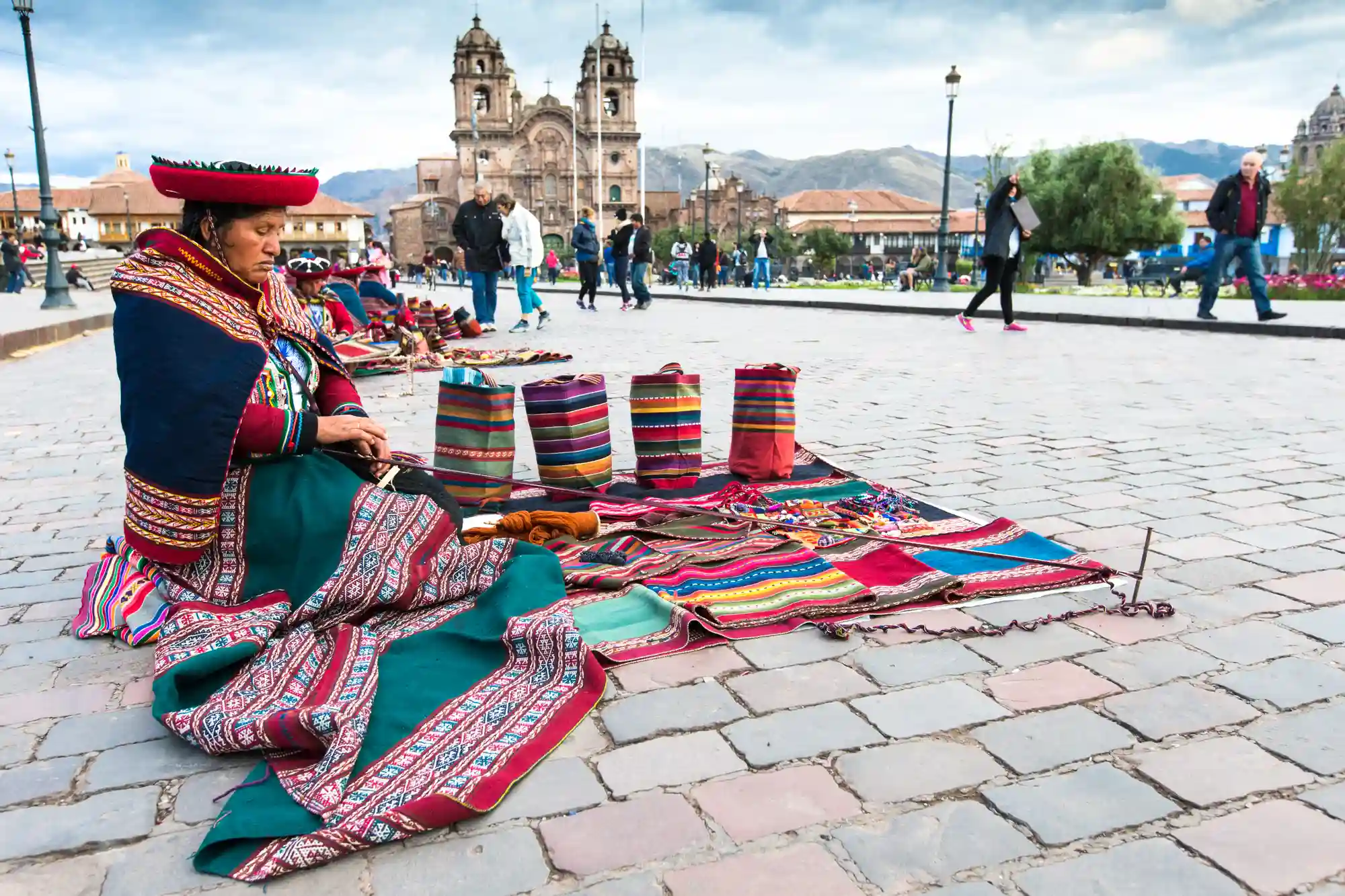
Lares Treks are perfect for travelers who want culture with their mountain scenery. The route moves through Quechua-speaking communities, weaving traditions, grazing areas, lakes and high passes before connecting toward the Sacred Valley and Machu Picchu.
Unlike the Classic Inca Trail, Lares does not depend on the same limited permit system. Its strongest appeal is authenticity: contact with communities where textiles, agriculture and mountain life are still central to the experience.
View our Tripadvisor page
Read recent experiences from travelers who booked with our local team and shared how the service, organization, and on-trip support felt in real situations. These reviews help future passengers understand what to expect before choosing their tour.
We were a group of four girls, all 24 years old! It was an incredible experience! Genrri was an excellent guide, and our chef, Ricardo, was fantastic; he prepared vegetarian lunch and dinner for us every day. I highly recommend it!
We did the 4 day and 3 night Salkantay Trek on the 27th of July, and it was honestly one of the highlights of our trip. I couldn't recommend it enough, especially with Machu Picchu Teams.Everything exceeded our expectations from the accommodation and food to the organisation and most importantly, the amazing staff. Our guide Max made the experience so special. He taught us so much about the Quechua way of life and Inca traditions at every stop along the trek, which gave us such a good appreciation for the places we were visiting. He was also so much fun to be around, always making us laugh and keeping everyone's spirits high, even during the toughest parts of the hike. His positivity, encouragement and knowledge really made the experience unforgettable.A huge thank you as well to our chefs, especially Braulio, the head chef. We genuinely couldn't believe the quality of the food considering where we were. Every meal was so fresh and delicious and they had lots of vegetarian options too. We were given three generous meals a day which also included starters at lunch and dinner, plus snacks along the way. It was far beyond anything we expected on a trek.What really sets this company apart is the people. Max wasn't just a guide he genuinely cared about everyone in the group and always made sure we were doing okay. He knew exactly when to encourage us on the harder climbs, when to make us laugh, and when to stop to tell us another story about the history and culture of the area. He gave us a group name and gathered us every morning to do a chant together to get us ready for the day. You can tell he loves what he does and his passion made the whole trek so much more meaningful.The entire team was so kind and welcoming, and they made us feel looked after from start to finish. If you're thinking of doing the Salkantay Trek, I couldn't recommend Machu Picchu Teams more. It was an unforgettable experience, and we're so grateful to everyone who made it so special.
This tour is full of adventures and blessings. The exciting bicycle descent from the Andes took us through changing landscapes to the tropical rainforest. The hike through the jungle, led by an expert guide, allowed us to learn about the local flora and fauna. The RAFTING and ZIPLINING activities added excitement to the trip and were perfectly organized. The natural hot springs were an ideal place to relax after days full of activities. The visit to Machu Picchu was the highlight, with its impressive architecture and view. I highly recommend this tour to anyone looking for a combination of adventure, nature, and culture.
Had an amazing time, super well organized, nice people, and Nacho, the guide is amazing (and very funny) !!!❤️
I had an amazing time doing the Salkantay trek with Machu pichu teams! Especially Nacho who was an incredible guide for our group, always making sure we were all having a good time, having fun and looking after us from the start to the end. Big thanks to the whole team :)
Use these criteria to decide whether Lares fits your travel style. It is best when you want culture, quieter trails and a meaningful Andean experience before Machu Picchu.
Lares is known for Quechua villages, weaving families and active highland life.
Villages – Textiles – Local Culture
Most travelers choose a 4-day route, often connecting by train toward Machu Picchu.
4 Days – Cultural Trek
High passes make the route moderate to challenging, but the rhythm can feel less intense than faster trekking routes.
Moderate – High Altitude
Lares hot springs are a memorable feature and a relaxing way to begin or end the route depending on itinerary.
Thermal Baths – Recovery
Expect portraits, textiles, mountain villages, lakes and alpaca scenery rather than only ruins.
People – Mountains – Traditions
Lares does not use the Classic Inca Trail permit system, but Machu Picchu logistics still matter.
Flexible Trek – Machu Picchu Ticket
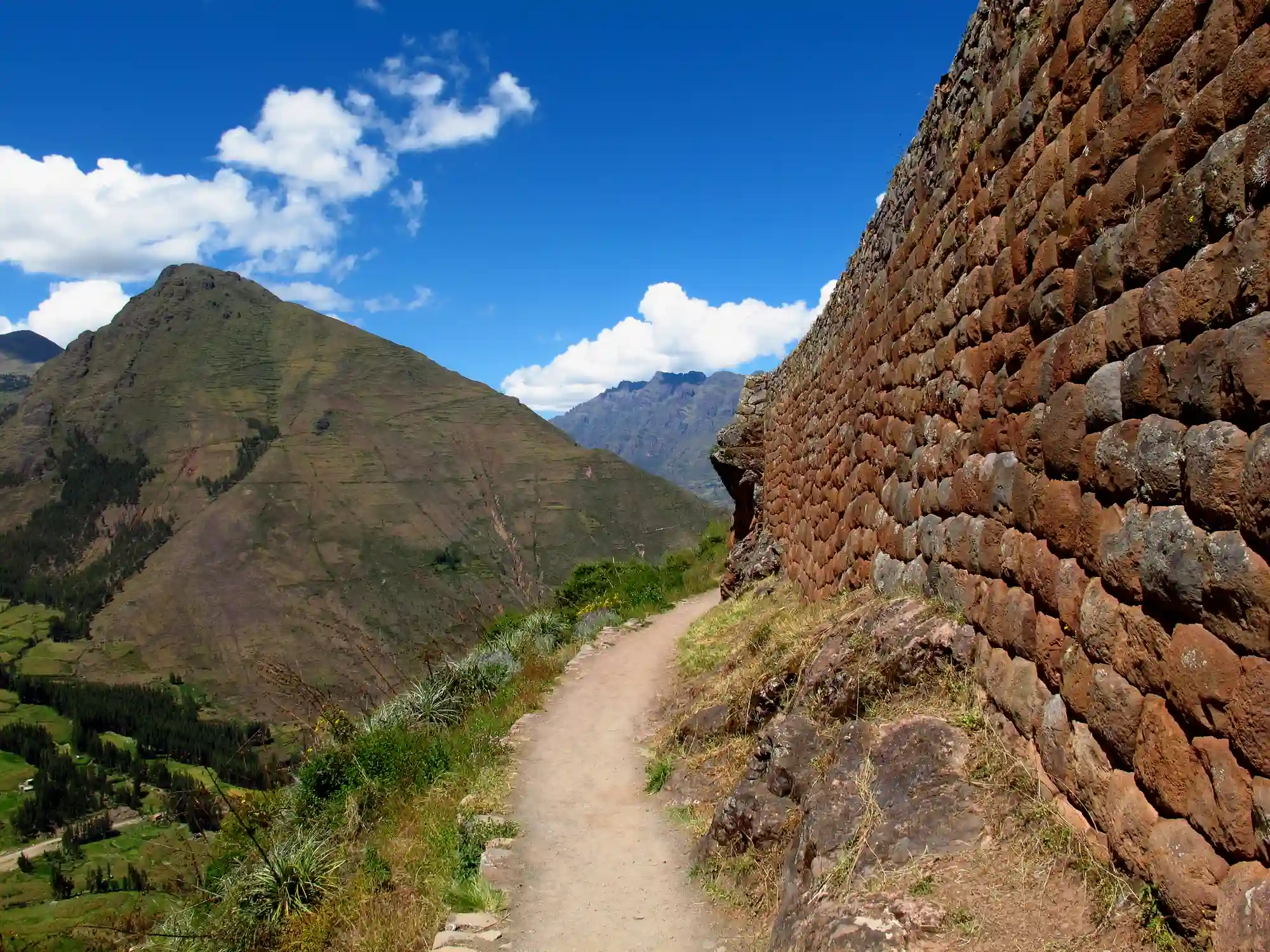
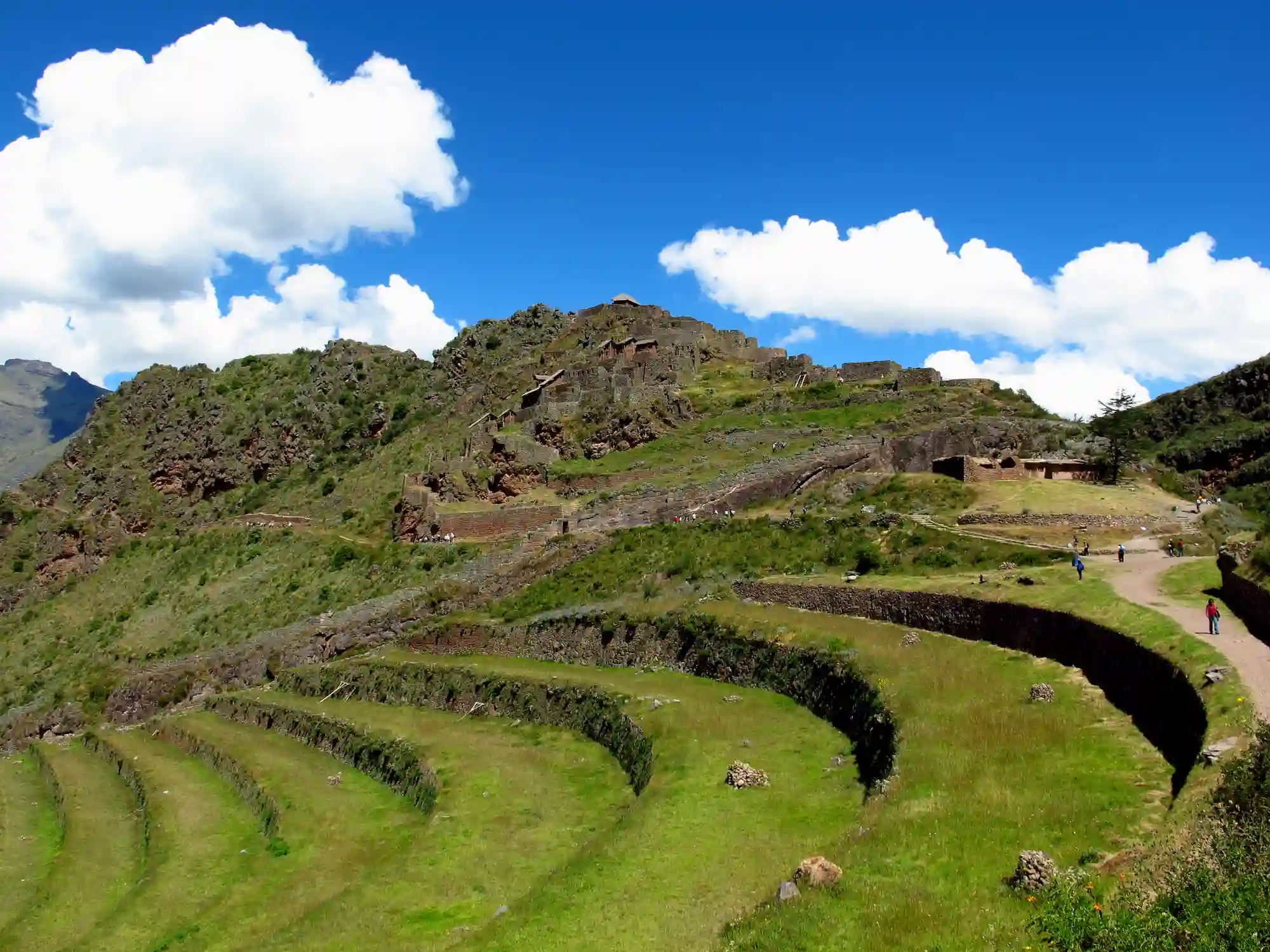
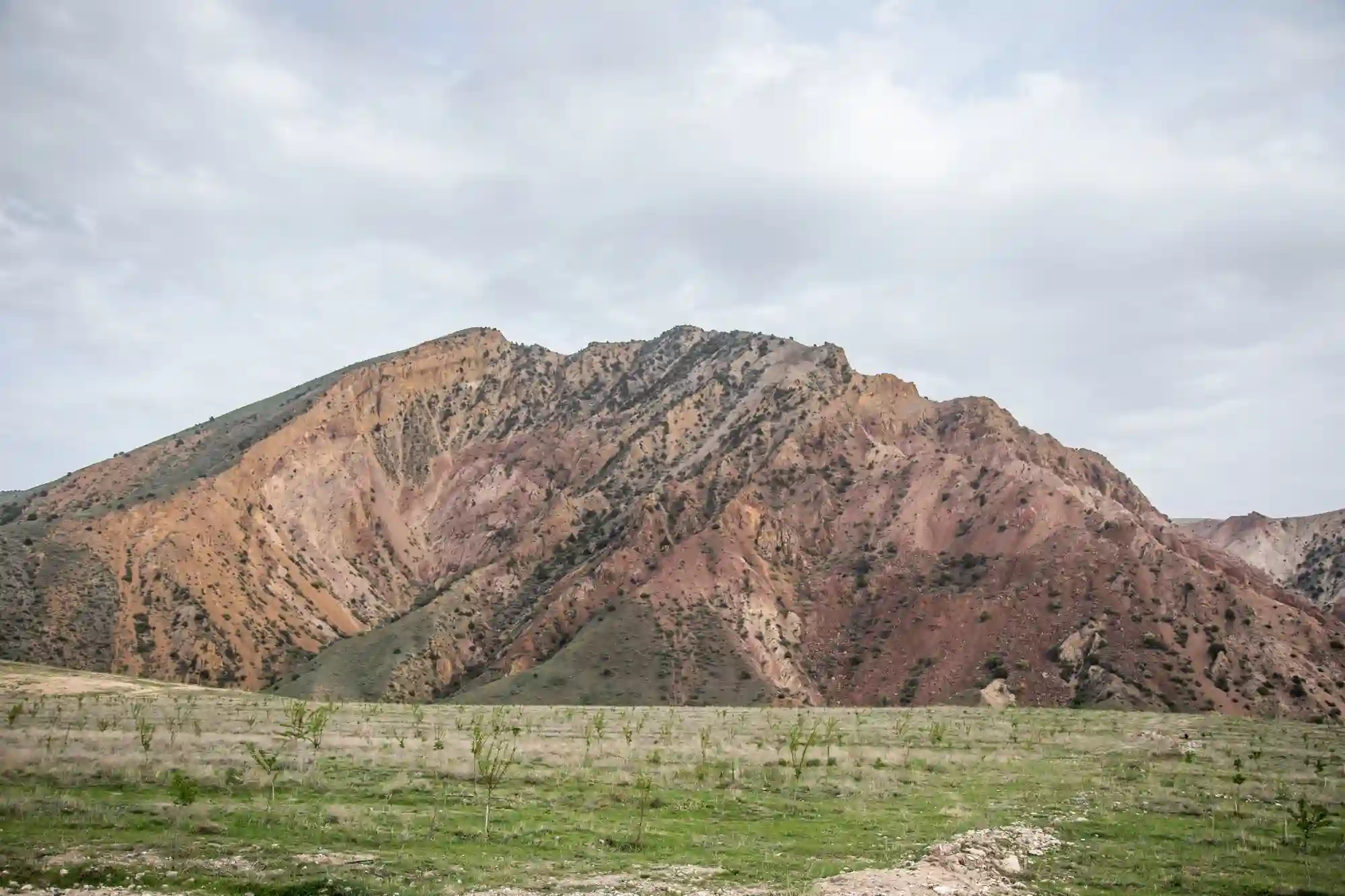
The Lares 4-day route is the strongest introduction to this destination, combining highland communities, mountain scenery and a final connection toward Machu Picchu.
Lares is powerful because the route is still lived in. Travelers walk through landscapes where weaving, farming and Quechua traditions remain part of everyday life.
Choose Lares if you want a quieter, more human route to complement Machu Picchu. It is especially strong for travelers who value cultural exchange.
The best Lares experience is not rushed. Give yourself time to observe, ask questions and understand the communities that make the route meaningful.
Lares can be combined with Sacred Valley, Ollantaytambo and Machu Picchu by train, making it a practical cultural trek for travelers who still want the citadel.
Use this option if the Inca Trail is sold out or if culture matters more to you than a famous route name.
Tell us your preferred comfort level and cultural interests so we can recommend the best pace.
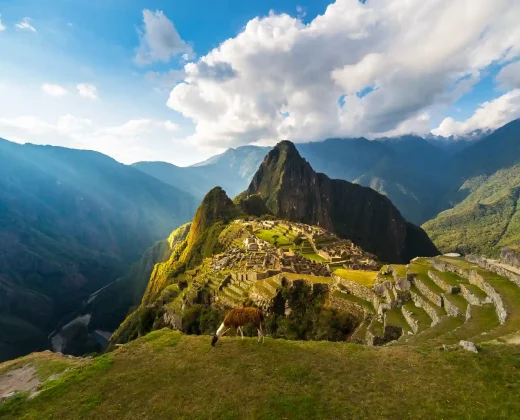 Featured Tour
Lares Trek via Pachacutec – A Unique Andean Experience Most treks that finish in Aguas Calientes tend to be very crowded, especially...
Preview highland communities, textiles, Sacred Valley scenery, mountain passes and the softer cultural side of trekking in Cusco.
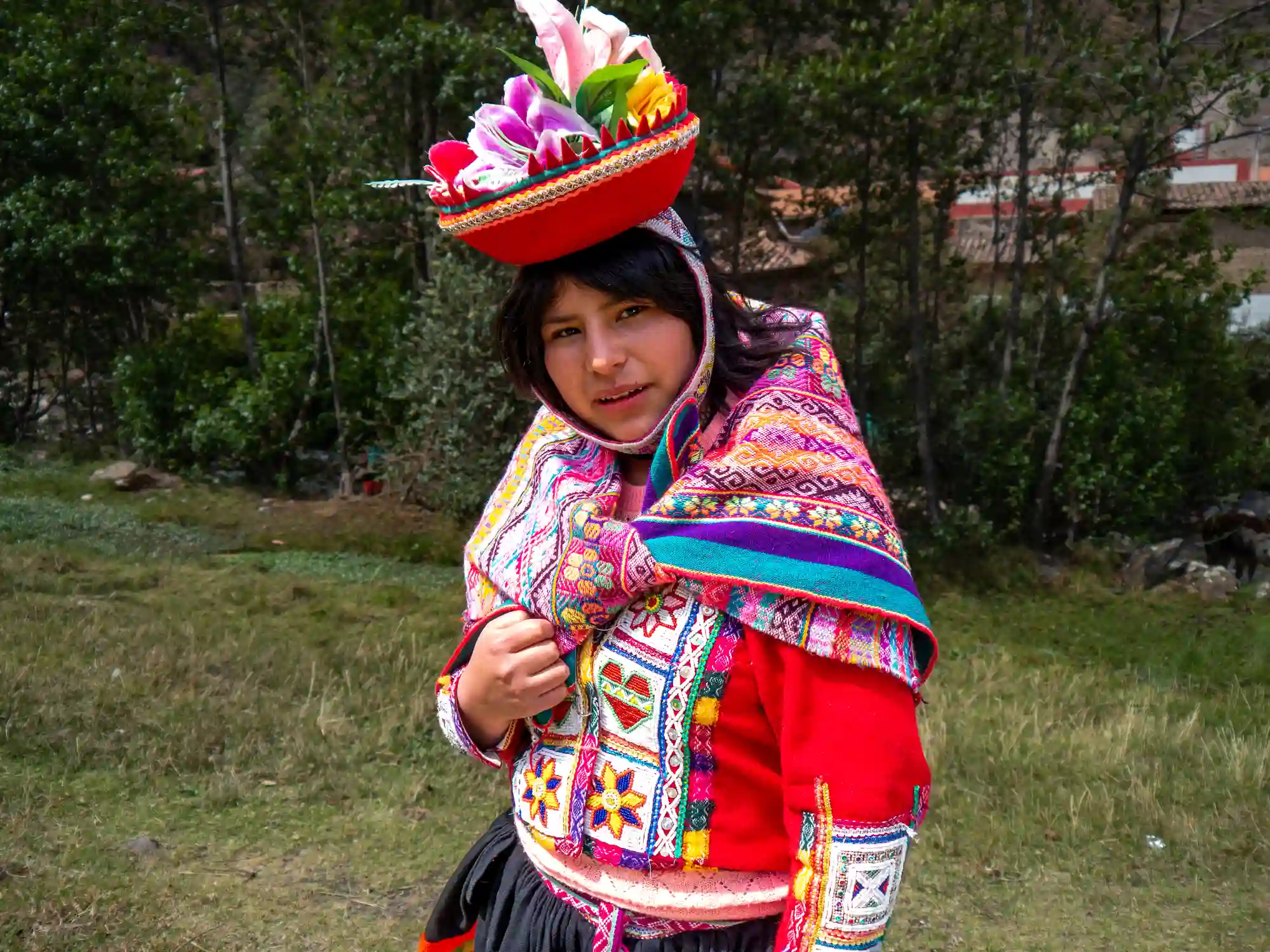
Understand altitude, community visits, packing, route style and Machu Picchu connections before choosing Lares.
Many itineraries connect to Machu Picchu by train after the trek, usually through the Sacred Valley/Ollantaytambo area.
Both, but the cultural experience is the main strength.
No, but Machu Picchu entry still needs to be arranged.
Choose Lares for culture and community contact.
Bring small cash if you want to buy textiles directly.
Respect photography etiquette in villages.
Acclimatize before high passes.
Lares is the trek for travelers who ask “who lives here?” as much as “what can I photograph?” It is a route through active Andean life: woven ponchos, alpaca herds, highland homes, mountain passes and local hospitality.
The experience can be more emotional and less crowded than the classic routes. It is not the route for travelers who need the most famous archaeological arrival, but it is one of the best choices for cultural immersion before Machu Picchu.
Best for culturally curious travelers, couples, families with active teens, photographers and people who want a less commercial trekking atmosphere.
Warm layers for highland nights.
Comfortable hiking shoes.
Small cash for textiles or local purchases.
Sun protection and rain shell.
Respectful curiosity and patience for community visits.
Lares is high altitude, so arrive early enough to acclimatize. The trek is more rewarding when travelers are open to cultural exchange and not only focused on distance.
Ask what community interactions are included and how purchases or visits are managed.
Lares is generally flexible compared with permit-limited trails, but Machu Picchu tickets, trains and private guide availability should still be confirmed early.